
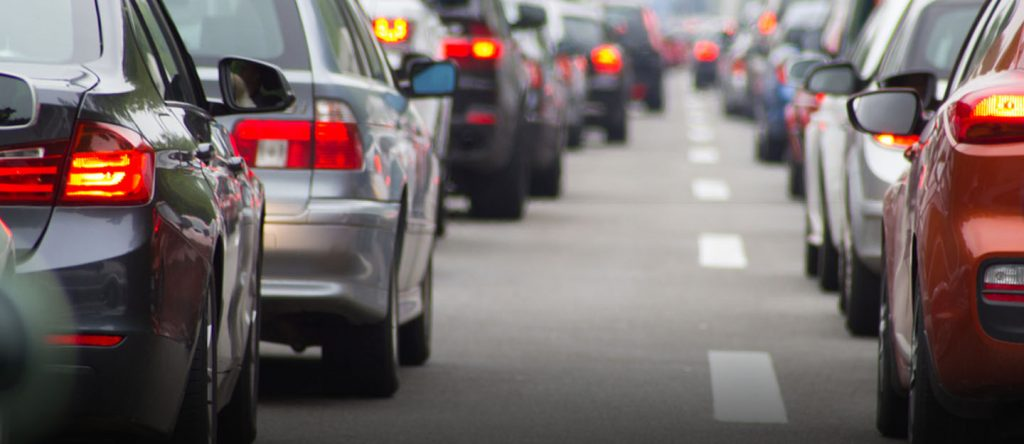
Driving in Fujairah offers a unique experience. With its coastal highways, mountain roads, and growing urban areas, the emirate blends scenic beauty with modern infrastructure. But like the rest of the United Arab Emirates, driving here comes with clear rules, strict enforcement, and heavy penalties for violations.
Whether you are a new resident, a tourist renting a car, or someone relocating within the UAE, understanding Fujairah driving and traffic regulations is essential for your safety and peace of mind. This guide breaks down the most important rules you should know before getting behind the wheel.
Understanding the Traffic Law Framework in Fujairah
Fujairah follows the federal traffic laws of the United Arab Emirates, regulated under the UAE Traffic Law and overseen locally by Fujairah Police. Traffic systems, fines, and black points are standardized across all emirates, ensuring consistency for drivers throughout the country.

The UAE introduced significant traffic law reforms in recent years to enhance road safety, reduce accidents, and impose stricter penalties for reckless driving. These reforms include higher fines, increased black points, and vehicle confiscation for severe violations.
Driving License Requirements
Before driving in Fujairah, you must hold a valid UAE driving license.

Residents must obtain a UAE license through approved driving schools and pass theoretical and practical tests. Citizens of certain countries can convert their home country licenses without undergoing full training, provided they meet eligibility criteria.
Tourists can drive using an international driving permit alongside their home country license, but only if they are visiting and not residing in the UAE.
Driving without a valid license is a serious offense and can result in heavy fines, black points, and possible legal action.
Speed Limits in Fujairah
Speed limits are strictly enforced across Fujairah through radar cameras and smart monitoring systems.
Urban Roads
In city areas, speed limits generally range between 40 km/h and 60 km/h, depending on road type and traffic density.
Main Roads and Highways
On highways, limits typically range from 80 km/h to 120 km/h. Some roads may allow up to 140 km/h, but this depends on road classification and signage.
It is important to note that exceeding the speed limit can result in fines starting from several hundred dirhams and may include black points and vehicle impoundment for extreme violations.
Always watch for posted signs, as speed limits may change due to construction, weather conditions, or residential zones.
Seat Belt and Child Safety Rules
Wearing a seat belt is mandatory for all passengers in the vehicle, not just the driver and front-seat passenger. Failure to wear a seat belt results in fines and black points.
Children under a specific age must be secured in appropriate child safety seats. It is illegal to allow children to sit in the front seat under the designated age and height restrictions. These measures are strictly enforced to reduce injuries during accidents.
Mobile Phone Usage While Driving
Using a mobile phone while driving is prohibited unless you are using a hands-free system.
Holding a phone to make calls, text, browse, or use social media while driving can result in fines and black points. Authorities treat distracted driving as a major cause of accidents, and enforcement is strict across Fujairah.
Even momentary distraction can lead to severe consequences, so it is always best to focus entirely on the road.
Black Points System
The UAE uses a black points system to track traffic violations. Each offense carries a specific number of black points.
If a driver accumulates 24 black points within a year, their driving license may be suspended for a period that increases with repeated offenses.
Serious violations such as reckless driving, racing on public roads, or driving under the influence carry high black points and can lead to vehicle confiscation.
Understanding how the black points system works helps drivers stay cautious and avoid long-term penalties.
Driving Under the Influence
The UAE enforces a zero-tolerance policy toward drinking and driving.
Any measurable amount of alcohol in your system while driving is considered illegal. Drivers found under the influence may face arrest, heavy fines, license suspension, and court proceedings.
The same applies to driving under the influence of drugs or controlled substances. The penalties are severe and can significantly impact your personal and professional life.
Lane Discipline and Overtaking
Lane discipline is taken seriously in Fujairah.
Drivers must use indicators when changing lanes and avoid sudden or dangerous maneuvers. Overtaking should only occur from the left side unless road signs indicate otherwise.
Tailgating, or failing to maintain a safe distance from the vehicle ahead, is a common violation that results in fines and black points. Maintaining proper distance not only avoids penalties but also prevents rear-end collisions.
Parking Regulations
Parking rules in Fujairah are clearly marked in residential and commercial areas.
Parking in prohibited zones, blocking driveways, parking in spaces reserved for people of determination without authorization, or leaving vehicles in a way that obstructs traffic can lead to fines.
Paid parking zones must be respected, and drivers are required to pay through parking meters or approved digital systems where applicable.
Improper parking may also result in vehicle towing.
Pedestrian and School Zone Rules
Pedestrian safety is a top priority in Fujairah.
Drivers must stop at designated pedestrian crossings and give priority to people crossing the road. Failing to stop at pedestrian crossings carries heavy penalties.
School zones have reduced speed limits, especially during pick-up and drop-off hours. Drivers must be extra cautious and follow instructions from school staff and traffic authorities.
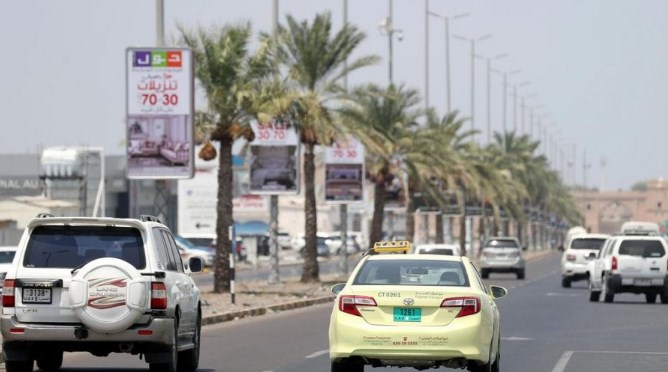
Vehicle Requirements and Inspections
All vehicles must be registered and insured in the UAE.
Annual vehicle inspections are mandatory to ensure roadworthiness. Driving an unregistered or uninsured vehicle can lead to fines and vehicle impoundment.
Tinted windows must comply with legal limits. Excessive tinting beyond permitted levels is considered a violation.
Regular maintenance is not just a legal requirement but a safety responsibility, particularly when driving in hot weather conditions common in Fujairah.
Emergency Situations and Accidents
In case of an accident, drivers must immediately stop and report the incident to the police.
Leaving the scene of an accident without reporting it is a serious offense. Even minor accidents must be documented through official procedures, often using police-approved apps or by contacting authorities directly.
For emergencies, drivers should move vehicles to a safe area if possible and switch on hazard lights.
Safe Driving Culture in Fujairah
Beyond laws and penalties, driving in Fujairah requires awareness and responsibility.
The emirate’s mountainous terrain and occasional fog conditions demand extra caution. Drivers should adjust speed according to visibility and road conditions.
Respecting traffic laws is not only about avoiding fines but also about protecting lives. Road safety is a shared responsibility among all drivers, passengers, and pedestrians.
Final Thoughts
Fujairah driving and traffic rules are designed to create a safe and orderly road environment. From speed limits and seat belt requirements to strict penalties for reckless behavior, the regulations reflect the UAE’s strong commitment to road safety.
If you plan to drive in Fujairah, take the time to understand these rules, stay alert, and drive responsibly. A careful driver not only avoids penalties but also contributes to safer roads for everyone.
Do follow UAE Stories on Instagram
Read Next – School Fees in Abu Dhabi: What Parents Should Expect in 2026