
Public school students across the UAE will once again shift to remote learning on Fridays during the holy month of Ramadan, following an announcement by the UAE’s Ministry of Education. The initiative marks the second consecutive year that the policy has been implemented, reinforcing the country’s commitment to balancing academic progress with cultural and family values during one of the most significant months in the Islamic calendar.
The decision is part of the “Ramadan with Family” programme, an initiative designed to give students more meaningful time at home while maintaining continuity in education. By dedicating Fridays to online learning, authorities aim to help students engage more deeply with their families and the spiritual essence of Ramadan, without disrupting their studies.
What the Ramadan Friday Plan Means for Students
Under the revised schedule, students enrolled in public schools will attend classes remotely on Fridays throughout the month of Ramadan. Lessons will be delivered online, ensuring that educational objectives are met while allowing students to remain at home.

This approach provides flexibility and comfort during a month that often involves altered daily routines, fasting, additional prayers and increased family gatherings. For many households, Fridays in Ramadan hold special significance, often centred around shared meals, reflection, and community engagement.
By learning from home on Fridays, students can better manage their energy levels while observing the fast. It also enables them to participate more fully in religious and cultural practices alongside their families.

Teaching Staff to Continue On-Campus Work
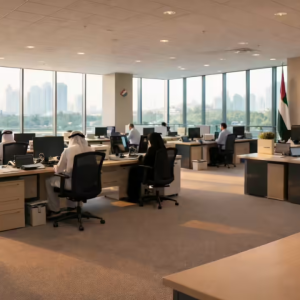
While students transition to remote learning on Fridays, teaching staff will continue working from school campuses. The Ministry of Education clarified that educators will remain on site to deliver virtual lessons, manage administrative tasks and ensure smooth academic operations.
This structure maintains organisational stability within schools and ensures that students receive the same level of attention and support during online sessions as they would during regular in-person classes. Teachers will be available to guide students, respond to questions and oversee assignments through digital platforms.
The model reflects lessons learned from previous experiences with distance learning, allowing schools to operate efficiently while adapting to seasonal and cultural needs.
Option for On-Campus Attendance
Parents who prefer their children to attend classes physically on Fridays during Ramadan will still have that option. Schools will remain open, and students may go to campus if their families believe it is more suitable for their circumstances.
However, the Ministry has specified that transportation arrangements for those opting for in-person attendance must be handled independently by parents. Regular school transport services will not operate on those Fridays for students, making it essential for families to plan accordingly if they choose on-campus learning.
This flexible approach ensures inclusivity, recognising that different families have different needs. While many may welcome the opportunity for their children to study from home, others may prefer a structured school environment. The policy accommodates both perspectives.
Strengthening the Spirit of Ramadan
The “Ramadan with Family” programme is rooted in the values that define the holy month: reflection, compassion, generosity and unity. Ramadan is traditionally a time when families come together more frequently, especially in the evenings, to break their fast and pray.
By reducing the need for students to travel to school on Fridays, the initiative allows more time for shared activities, conversations and collective worship. It also encourages students to engage in family-led initiatives such as charitable work, preparing meals together and learning more about the meaning and traditions of Ramadan.
Educational authorities emphasise that the policy is not merely logistical but value-driven. It aims to nurture well-rounded students who understand the importance of community and family, alongside academic achievement.
Balancing Academic Excellence and Well-Being
The UAE has consistently prioritised educational excellence, while also recognising the importance of student well-being. Adjusting school operations during Ramadan demonstrates an understanding of the physical and emotional demands that fasting can place on young people.
Remote learning on Fridays reduces commuting time and allows students to study in a comfortable environment. It also supports better rest patterns, especially for those participating in late-night prayers and early morning meals.
At the same time, the continuity of lessons ensures that academic standards remain high. Digital platforms have become an integral part of the education system, and students are well-equipped to engage in structured online classes.

Building on Last Year’s Success
This year’s implementation marks the second consecutive time the Ministry of Education has introduced remote Fridays during Ramadan for public schools. The continuation of the initiative suggests that it has been positively received by families, educators and students alike.
Feedback from previous experiences indicated that many families appreciated the additional time together, while schools successfully maintained their academic calendars without major disruptions. By repeating the model, authorities signal confidence in its effectiveness and sustainability.
The initiative also aligns with the UAE’s broader vision of integrating flexibility and innovation into its education system. Distance learning tools developed in recent years have made it possible to adapt schedules quickly and efficiently when needed.
A Community-Centred Approach
Education in the UAE extends beyond textbooks and examinations. It reflects the country’s cultural identity and social priorities. The Ramadan Friday remote learning plan demonstrates how policies can be designed to serve both academic and societal goals.
For students, it is an opportunity to experience a more balanced Ramadan—one that honours tradition while continuing their educational journey. For parents, it offers additional time to guide their children through the values of patience, gratitude and empathy that define the holy month.
For teachers and school leaders, it is a chance to showcase adaptability and commitment, ensuring that learning continues seamlessly despite schedule adjustments.
Looking Ahead
As Ramadan approaches, public school communities are preparing to implement the revised Friday schedule smoothly. Schools are expected to communicate detailed timetables and online access instructions to parents in advance, ensuring clarity and coordination.
The Ministry’s initiative highlights a thoughtful blend of modern educational practices and deeply rooted cultural traditions. By prioritising family connection without compromising academic progress, the UAE continues to set a model for how education systems can adapt meaningfully to the rhythms of community life.
The return of remote learning on Fridays during Ramadan stands as a testament to the nation’s commitment to nurturing both minds and values—proving that education and family can thrive together.
Do follow UAE Stories on Instagram
Read Next – Music On at Pacha ICONS Returns to Dubai in Style