
Abu Dhabi is taking another decisive step toward cleaner and smarter urban mobility as the Integrated Transport Center (ITC) launches a strategic pilot project in partnership with talabat. The initiative focuses on expanding the use of electric vehicles in last-mile delivery services, a segment that plays a critical role in daily urban life but also contributes significantly to traffic emissions.
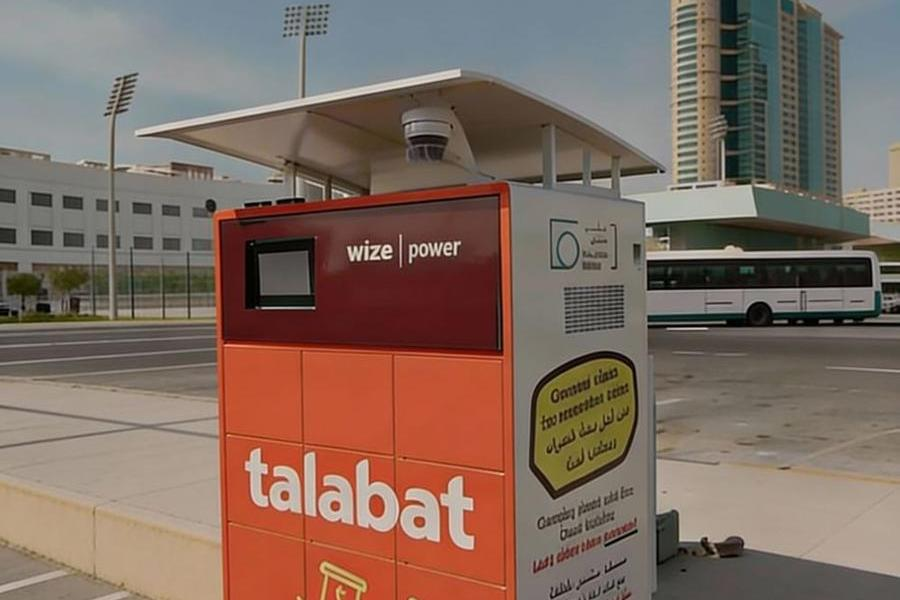
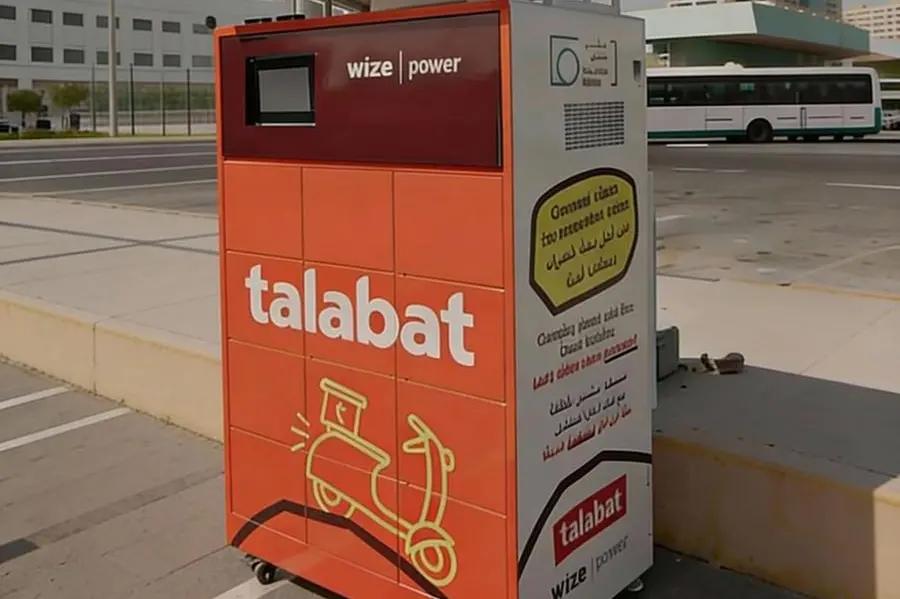
Designed as a practical, on-the-ground test, the pilot aims to accelerate the transition away from petrol-powered delivery bikes by introducing a purpose-built electric delivery ecosystem. At its core is a dedicated network of battery charging and swapping zones located in high-demand delivery areas across the emirate. The project reflects Abu Dhabi’s broader ambition to build a transport system that balances efficiency, innovation, and environmental responsibility.
Building Infrastructure Where Demand Is Highest
One of the defining features of the pilot is its focus on infrastructure readiness. Instead of relying on conventional charging methods that can slow down delivery operations, ITC has developed designated operational zones tailored specifically for two-wheeled electric delivery vehicles. These zones enable fast and seamless battery swapping, allowing riders to replace depleted batteries within minutes and return to work with minimal downtime.

By situating these facilities in prominent delivery hotspots, the project directly addresses one of the most common challenges associated with electric mobility: range anxiety and operational interruptions. The zones have been designed with accessibility and safety in mind, ensuring that riders can use them confidently during busy delivery hours. For drivers, this translates into smoother workflows, reduced waiting times, and greater trust in electric vehicles as a reliable alternative to traditional bikes.
A Strategic Fit With Abu Dhabi’s Mobility Vision
The pilot aligns closely with ITC’s long-term strategy to develop a smart, low-emission transport network across the emirate. As an affiliate of the Department of Municipalities and Transport, ITC plays a central role in shaping policies and initiatives that support sustainable mobility. By targeting last-mile delivery services, the center is addressing a sector where electric adoption can deliver immediate and visible environmental benefits.

During the pilot phase, ITC will conduct detailed assessments covering vehicle performance, rider safety, infrastructure efficiency, and overall operational viability. These evaluations will help determine how quickly and effectively talabat’s electric fleet can be scaled up in the future. The findings will also inform broader policy decisions related to electric mobility, potentially paving the way for similar initiatives with other delivery and logistics companies operating in Abu Dhabi.
Enhancing Rider Experience and Operational Efficiency
Beyond environmental considerations, the project places strong emphasis on the human aspect of delivery work. The electric bikes being tested are evaluated for key factors such as range, speed, stability, and rider comfort. ITC has worked closely with delivery riders to gather real-world feedback through field trials and operational testing, ensuring that the vehicles meet practical demands rather than just technical specifications.
Early feedback from drivers involved in the pilot has been encouraging. Riders have reported smoother handling, lower noise levels, and reduced physical strain compared to petrol-powered alternatives. These improvements not only enhance day-to-day working conditions but also contribute to safer roads and a more pleasant urban environment for residents.
talabat’s Sustainability Commitment in Action
For talabat, the partnership represents a significant milestone in its sustainability journey within the emirate. As one of the region’s leading online delivery platforms, the company manages a large and constantly moving fleet, making it well positioned to drive meaningful change in last-mile logistics.
According to talabat’s leadership, the collaboration with ITC allows the company to test robust infrastructure that supports the wider adoption of electric vehicles at scale. The initiative places sustainability and safety at the center of delivery operations while reinforcing talabat’s commitment to reducing emissions and supporting Abu Dhabi’s environmental goals. By actively participating in the pilot, talabat is helping shape a delivery model that balances commercial efficiency with long-term ecological responsibility.
Environmental Impact and Reduced Emissions
Replacing petrol-powered delivery bikes with electric alternatives has a direct and measurable impact on urban emissions. Last-mile delivery vehicles often operate continuously throughout the day, covering dense urban areas and contributing to air and noise pollution. The shift to electric bikes significantly reduces carbon emissions while also lowering noise levels, improving overall quality of life in busy neighborhoods.
ITC has emphasized that the pilot is not only about deploying electric vehicles but about ensuring they are genuinely effective in real-world conditions. By closely monitoring performance data and rider feedback, authorities can ensure that any future expansion delivers tangible environmental benefits without compromising service quality.
A Model for Public-Private Collaboration
The pilot stands out as an example of advanced public-private cooperation in Abu Dhabi’s transport sector. By combining ITC’s regulatory expertise and infrastructure planning with talabat’s operational experience, the initiative creates a balanced framework for innovation. This collaborative approach allows both parties to address challenges proactively and adapt solutions based on real operational insights.
ITC has indicated that, subject to approval and successful outcomes, the initiative could be extended to other companies operating within the emirate. Such an expansion would accelerate the adoption of electric delivery vehicles across multiple platforms, amplifying the environmental and economic benefits of the pilot.
Laying the Groundwork for Scalable Electric Mobility
While the project is currently in its pilot phase, its implications extend far beyond a limited trial. The data collected on infrastructure usage, vehicle reliability, and rider satisfaction will play a crucial role in shaping Abu Dhabi’s future electric mobility policies. By focusing on scalability from the outset, ITC is ensuring that the lessons learned can be applied across different transport segments.
The initiative also sends a strong signal to the private sector that Abu Dhabi is committed to supporting sustainable innovation. Companies considering investments in electric fleets can look to this pilot as evidence of regulatory backing, infrastructure development, and a clear long-term vision for low-emission transport.
Shaping the Future of Urban Deliveries
As e-commerce and on-demand delivery services continue to grow, the importance of sustainable last-mile solutions becomes increasingly clear. The ITC and talabat pilot project demonstrates how targeted infrastructure, thoughtful planning, and collaboration can drive meaningful progress in a short period of time.
By prioritizing efficiency, safety, and environmental responsibility, the initiative lays the foundation for a smarter delivery ecosystem in Abu Dhabi. If scaled successfully, it has the potential to redefine how goods move through the city, setting a benchmark for other regions looking to balance convenience with sustainability.
Do follow UAE Stories on Instagram
Read Next – Dubai Land Department Activates Phase II of Property Tokenization