Uncover the History and Origins of Dubai
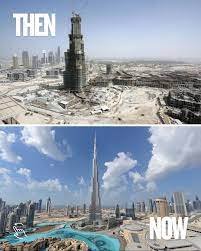
Dubai’s story is one of resilience, vision, and extraordinary transformation. What began as a small fishing and trading settlement along the Arabian Gulf has grown into one of the world’s most recognizable modern cities. To truly understand Dubai today — its ambition, diversity, and global influence — it is essential to explore its origins and the journey that shaped its identity.
The evolution of Dubai is not a sudden miracle, but the result of generations of adaptation, leadership, and an openness to opportunity. From the sea to the desert, and from tradition to innovation, the city’s past lives quietly beneath its modern skyline.
Life in a Coastal Fishing Village
Dubai’s earliest roots lie along the coastline, where life revolved around the sea. Fishing formed the backbone of daily survival, providing food and sustenance for small communities settled near the water. Simple boats, handmade nets, and deep knowledge of tides defined the rhythm of life.

Alongside fishing, trade began to emerge naturally. The location of Dubai along important maritime routes made it a resting point for traders sailing between regions. This early connection to the outside world planted the seeds for Dubai’s future as a centre of exchange and commerce.
Life in the village demanded cooperation, patience, and resilience. Harsh desert conditions meant that community bonds were strong, and survival depended on collective effort.

Pearling and the Rise of Trade
Pearling played a defining role in shaping Dubai’s early economy. The waters of the Arabian Gulf were rich in pearl oysters, and for many years, pearl diving became one of the most important sources of income.
Pearl divers faced immense physical challenges, diving deep with minimal equipment in search of precious gems. These pearls travelled far beyond local markets, reaching traders across Asia and Europe. Through this trade, Dubai became connected to global commerce long before modern infrastructure existed.
Pearling also strengthened Dubai’s trading identity. Merchants from different cultures visited the settlement, bringing goods, languages, customs, and ideas. These early interactions laid the foundation for Dubai’s multicultural character.
A City Shaped by Openness and Exchange
Dubai’s growth was driven by its openness to people and ideas. Traders, craftsmen, and settlers from neighbouring regions found opportunity in the city’s welcoming environment. Rather than isolating itself, Dubai embraced exchange — economic, cultural, and social.
This openness created a society accustomed to diversity. Markets buzzed with different languages and traditions, shaping a culture that valued cooperation and adaptability. These qualities would later become some of Dubai’s greatest strengths.
The city’s leaders understood the importance of encouraging trade and maintaining stability, creating conditions where businesses could flourish and communities could grow.
Leadership and Vision as Catalysts for Change
Strong leadership has been central to Dubai’s evolution. Visionary leaders recognized the city’s potential beyond its modest beginnings and made decisions that prioritized long-term growth over short-term gain.
Investments in infrastructure, ports, and trade routes allowed to strengthen its position as a regional hub. Leadership focused not only on economic progress, but also on social stability and opportunity, ensuring that growth benefited the wider community.
This forward-thinking approach set Dubai apart, creating momentum that would later accelerate dramatically.
The Turning Point of Modern Development
The discovery of oil marked a major turning point in Dubai’s history. While oil revenues provided the resources needed for rapid development, Dubai did not rely on this single industry alone.
Instead, oil became a tool — a stepping stone used to build infrastructure, expand education, improve healthcare, and invest in future industries. Roads, ports, and airports connected Dubai to the world, while urban planning reshaped the city’s landscape.
This period marked the beginning of the transformation from a regional trading centre into a modern city with global ambition.
Diversifying Beyond Natural Resources
One of Dubai’s most defining decisions was to diversify its economy early. Recognizing that long-term success required more than natural resources, the city invested in tourism, finance, aviation, real estate, and global trade.
This diversification allowed Dubai to become resilient and adaptable. It attracted entrepreneurs, professionals, and investors from around the world, turning the city into a global meeting point for ideas, talent, and innovation.
Dubai’s willingness to reinvent itself while maintaining stability became a blueprint for its continued growth.
From Traditional Town to Global Metropolis
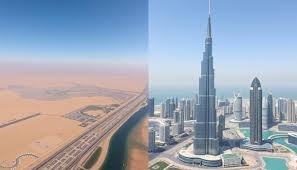
As it expanded, its skyline began to reflect its ambition. Architectural innovation transformed the city into a symbol of modern design and engineering excellence. Skyscrapers, transport networks, and public spaces reshaped daily life and redefined what the city represented to the world.
Yet beneath this modern exterior, traces of the past remained. Traditional neighbourhoods, markets, and cultural practices continued to thrive alongside contemporary developments, creating a unique blend of old and new.
Dubai’s transformation did not erase its history — it layered it into a broader narrative of progress.
Preserving Heritage in a Modern City
Despite rapid development,
has remained committed to preserving its heritage. Cultural districts, museums, and restored historical areas offer insight into the city’s early life and traditions.
These spaces serve as reminders of the fishing village that once stood where glass towers now rise. They allow residents and visitors to connect with the stories of pearl divers, traders, and families whose lives laid the foundation for today’s metropolis.
This balance between preservation and progress defines identity.
A Multicultural City Built on Opportunity
Dubai’s evolution has been shaped by its people. As the city grew, it welcomed individuals from across the globe, each contributing skills, ideas, and perspectives.
This multicultural environment fostered creativity, tolerance, and collaboration. Today, stands as a city where diverse cultures coexist, connected by shared opportunity and ambition.
The spirit of inclusion that began in its trading days continues to define the social fabric.
What Dubai’s Journey Represents
Dubai’s journey from a fishing village to a modern-day metropolis is a story of belief and boldness. It reflects what can be achieved when leadership, community, and vision align toward a shared future.
The city’s past teaches lessons in resilience, adaptability, and strategic thinking. Its present reflects innovation and confidence. Its future remains rooted in the same values that guided its earliest settlers — openness, determination, and hope.
A Living Story Still Unfolding
Dubai’s history is not confined to the past. It continues to unfold with every new idea, every new resident, and every new chapter of development.
To uncover the history and origins of a city is to understand a city that honours where it came from while never stopping its pursuit of what’s possible. From the quiet rhythm of fishing boats to the pulse of a global metropolis, Dubai’s story remains one of the most compelling transformations of modern times.
Do follow her on Instagram
Read Next – Tech and AI Adoption in the UAE: Economic and Social Effects