
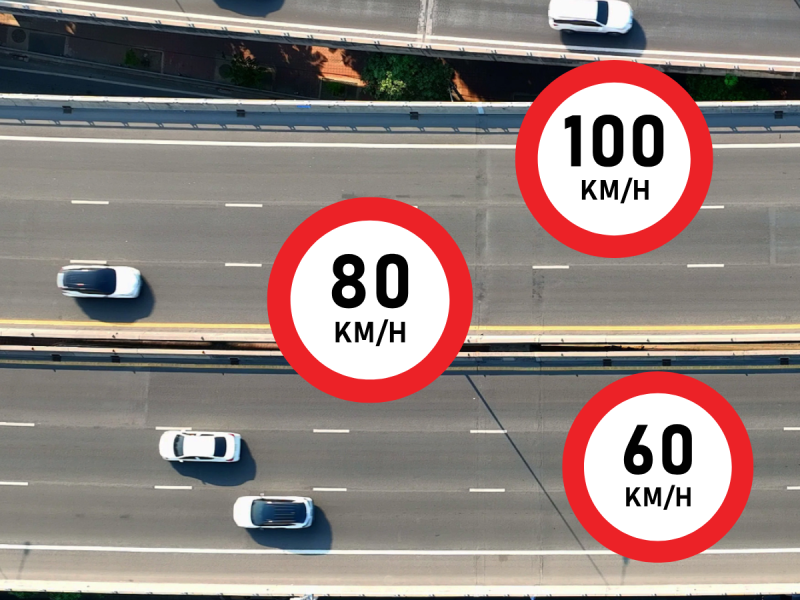
Drivers urged to stay alert as changes take effect across key routes
Motorists in Abu Dhabi are being advised to pay close attention to new traffic rules as revised speed limits come into force on several of the emirate’s busiest roads. The latest update, announced by Abu Dhabi Mobility, introduces lower maximum speeds on three major routes that serve thousands of daily commuters travelling towards Al Ain, Bani Yas and Al Rawdah.
The move is part of an ongoing effort to improve road safety, manage traffic flow more efficiently, and reduce the risk of serious accidents on high-speed corridors. Authorities have stressed that drivers must comply with the new limits from the moment they are enforced, as speed cameras will be adjusted accordingly.
When the new speed limits begin
The updated speed limits are set to take effect on Monday, February 9. From this date, motorists using the affected roads will need to adjust their driving habits to avoid penalties, fines, or black points on their licences.

Abu Dhabi Mobility has confirmed that the changes apply in both directions on all listed routes, meaning drivers heading into the capital or travelling out towards surrounding areas are equally impacted.
Abu Dhabi–Al Ain Road sees major reduction
One of the most significant changes affects the E22 Abu Dhabi–Al Ain Road, a vital link between the capital and the eastern region of the emirate. Previously known for its high maximum speed, this road has now seen a notable reduction.

Between Al Nahda Interchange and Bani Yas Interchange, the maximum speed limit has been lowered from 160 km/h to 140 km/h in both directions. This stretch is heavily used by daily commuters, long-distance drivers, and commercial vehicles, making the update particularly important for regular road users.
Authorities say the reduction is designed to enhance safety on a route where high speeds have historically increased the severity of accidents.
Further reductions around Bani Yas Interchange
Additional changes have been introduced in the Bani Yas Interchange area, another high-traffic zone within the emirate. From the interchange up to the Bridge Complex, the speed limit has been reduced from 140 km/h to 120 km/h in both directions.
This section of road often experiences congestion during peak hours, with merging traffic and frequent lane changes. Lowering the speed limit is expected to reduce sudden braking incidents and improve overall traffic stability in the area.
Drivers familiar with this route are being encouraged to remain especially vigilant, as old driving habits may lead to unintentional speeding once the new rules are in place.
Al Rawdah Road limit lowered to 100 km/h
The third major change affects E30 Al Rawdah Road, another crucial route for commuters moving through Abu Dhabi. Here, the maximum speed limit has been reduced from 120 km/h to 100 km/h in both directions.
This adjustment reflects a broader trend towards more controlled speeds on urban and semi-urban roads, particularly those with higher traffic density and frequent entry and exit points.
Officials believe the change will make the road safer for all users while maintaining a steady traffic flow during busy periods.
Part of a wider traffic safety strategy
These latest reductions are not isolated decisions but form part of a wider series of updates to Abu Dhabi’s road network over recent months. Authorities have been steadily reviewing speed limits across the emirate, focusing on areas where safety improvements can be made without significantly increasing travel times.
Earlier reductions were introduced on Sheikh Khalifa bin Zayed International Road, where the maximum speed was lowered from 160 km/h to 140 km/h. Similarly, the Abu Dhabi to Sweihan Road saw its speed limit reduced from 120 km/h to 100 km/h.
Each change has been backed by traffic studies and safety assessments aimed at reducing serious collisions and improving driver behaviour.
Changes to minimum and variable speed limits
Towards the end of 2025, another important adjustment was made on Sheikh Mohammed bin Rashid Road, where the minimum speed limit was reduced. This move was intended to improve traffic flexibility and reduce unnecessary penalties for drivers during periods of congestion or reduced visibility.
In addition, a variable speed limit system was recently introduced on Sheikh Zayed bin Sultan Street. Under this system, speed limits can change between 100 km/h and 80 km/h depending on several factors, including traffic volume, weather conditions, and road safety considerations.
These dynamic limits are displayed on electronic signs and require drivers to stay alert, as the permitted speed may change at different times of the day.
What drivers need to do now
With multiple updates introduced in a relatively short period, drivers are being urged to stay informed and watch for updated road signage. Relying on memory alone could lead to costly mistakes, particularly on roads that previously allowed much higher speeds.
Abu Dhabi Mobility has emphasised that speed cameras will reflect the new limits from the enforcement date. Exceeding the revised maximum speeds may result in fines and black points, even if drivers believe they are within the old limits.
Authorities also recommend using navigation apps that display real-time speed limit information, though drivers should always prioritise official road signs.
A shift towards safer roads
While some motorists may initially find the lower limits frustrating, officials argue that the long-term benefits outweigh the inconvenience. Reduced speeds can significantly lower the risk of fatal accidents, improve reaction times, and create a calmer driving environment across the emirate.
As Abu Dhabi continues to grow and traffic volumes increase, these measures are seen as essential steps towards building a safer, more efficient road network for residents and visitors alike.
For now, the message to drivers is clear: slow down, stay alert, and don’t get caught out by the new rules.
Do follow UAE Stories on Instagram.
Read Next – Cycling Tracks Saadiyat Island: Explore Nature’s Beauty