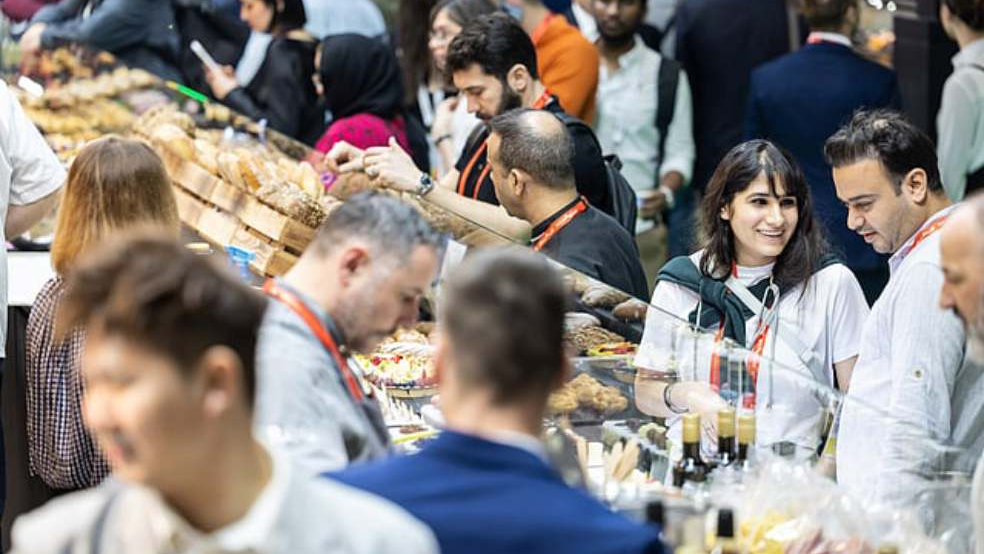
Dubai has once again positioned itself at the center of the global food and beverage industry as Gulffood 2026 opens with its most ambitious edition to date. For the first time in the event’s history, the world-renowned food sourcing exhibition is being staged across two major venues simultaneously, marking a defining moment not only for Gulffood but for international trade exhibitions at large.
Running over five days from January 26 to January 30, Gulffood 2026 reflects the scale, complexity, and urgency of today’s global food ecosystem. With unprecedented international participation, expanded sector coverage, and a significantly larger physical footprint, the event underscores Dubai’s growing influence as a global hub for food trade, logistics, and supply chain collaboration.
Two Venues, One Global Marketplace
The most striking feature of Gulffood 2026 is its historic dual-venue format. Core segments of the exhibition continue at Dubai World Trade Centre, while a major new portion of the event has debuted at the Dubai Exhibition Centre. This strategic expansion has allowed Gulffood to scale up without compromise, offering exhibitors and visitors a more focused and immersive experience.

By splitting the event across two world-class locations, organizers have effectively created a unified global marketplace that accommodates both established sectors and emerging segments. The move reflects the rapid growth of the food and beverage industry and the increasing need for specialized platforms that address everything from staple commodities to advanced food technologies.
Record-Breaking Global Participation
Gulffood 2026 has set a new benchmark in international participation. More than 8,500 exhibitors from 195 countries have brought over 1.5 million products to the exhibition floor, making it one of the largest and most diverse food trade gatherings ever staged.

This remarkable turnout highlights the trust global producers, manufacturers, and policymakers place in Gulffood as a gateway to regional and international markets. It also reinforces Dubai’s status as a neutral, well-connected meeting point where global food trade conversations translate into real commercial outcomes.
From multinational power brands to emerging producers, the exhibition reflects a truly global snapshot of the food industry, shaped by shifting consumer demands, supply chain realignments, and the shared challenge of feeding a growing world population.
Core Sectors Anchored at Dubai World Trade Centre
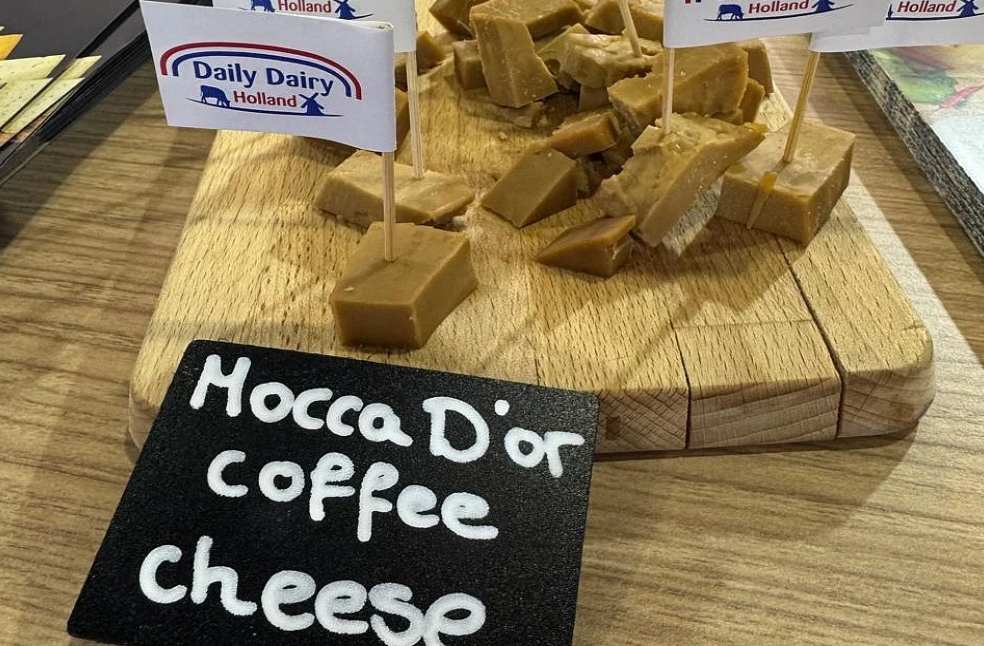
At Dubai World Trade Centre, Gulffood 2026 continues to host its core and most established sectors. These include beverages, dairy, fats and oils, meat and poultry, seafood, and global power brands. Together, these segments form the backbone of international food trade and remain central to sourcing strategies across regions.
The venue has also once again hosted Gulffood Startups, a fast-growing platform that has brought together more than 250 founders, investors, and innovators. Focused on food-tech, agri-tech, and next-generation food systems, the startup segment reflects Dubai’s increasing role in innovation-led food security and sustainable supply solutions.
By integrating established industry leaders with emerging disruptors, Gulffood continues to encourage collaboration across the value chain, bridging the gap between traditional food production and future-focused solutions.
Dubai Exhibition Centre Debuts as a Growth Hub
The Dubai Exhibition Centre at Expo City Dubai has made its Gulffood debut as the home of World Food and the expanded Rice, Pulses, and Grains sectors. This strategic relocation places essential staple commodities within one of Dubai’s key future growth corridors.
The move is more than logistical. It aligns closely with the emirate’s long-term vision to strengthen its role in food redistribution, improve logistics efficiency, and enhance supply chain resilience. By anchoring staple food categories at Expo City Dubai, Gulffood 2026 highlights the importance of infrastructure, connectivity, and long-term planning in global food security.
Introduction of Three New Strategic Sectors
One of the most significant developments at Gulffood 2026 has been the launch of three entirely new sectors: Gulffood Fresh, Gulffood Logistics, and Gulffood Grocery Trade. All three are hosted at the Dubai Exhibition Centre and reflect the evolving priorities of the global food industry.
These sectors place a strong emphasis on perishables management, cold-chain infrastructure, and resilient supply networks. Their introduction acknowledges that food security today is no longer just about production volumes, but about efficiency, speed, quality, and reliability across the entire supply chain.
By dedicating focused platforms to these areas, Gulffood has expanded its relevance beyond sourcing into the operational realities shaping modern food systems.
Gulffood Fresh and the Future of Food Security
Gulffood Fresh has emerged as one of the most closely watched segments of the 2026 edition. Bringing together growers, exporters, logistics providers, and policymakers, the sector addresses one of the most pressing realities facing the Middle East: the region imports more than 85 percent of its food requirements.
Population growth, rapid urbanization, and rising consumer expectations for year-round fresh produce have made efficient fresh food supply chains a strategic priority. Gulffood Fresh responds to this need by creating a platform where stakeholders can explore solutions that balance quality, sustainability, and affordability.
The sector’s prominence reflects a broader shift in global food trade, where freshness, traceability, and speed are becoming as important as price and volume.
Strong Regional and International Representation
Gulffood 2026 has drawn participation from a wide range of global producers and regional leaders. Companies such as Fresh Del Monte, NRTC, Silal, and UniFrutti are exhibiting alongside national pavilions from India, France, Australia, Türkiye, Egypt, Thailand, China, Rwanda, and Kenya.
This diversity not only showcases the breadth of global food production but also reinforces Gulffood’s role as a neutral platform for cross-border trade and collaboration. For many participating countries, the exhibition serves as a strategic entry point into Middle Eastern, African, and South Asian markets.
The presence of both established exporters and emerging producers adds depth to the event, encouraging dialogue that spans continents and supply chains.
A Defining Moment for Gulffood and Dubai
With its dual-venue format, expanded sector coverage, and record international participation, Gulffood 2026 represents a defining moment in the evolution of the exhibition. It reflects how the global food industry is adapting to new realities, from supply chain vulnerabilities to sustainability pressures and changing consumption patterns.
For Dubai, the event further cements its position as a central hub for global food trade, innovation, and policy dialogue. By hosting Gulffood at this scale and complexity, the city demonstrates its ability to convene the world around shared challenges and opportunities.
As Gulffood 2026 unfolds over five days, it is clear that this edition is not just bigger, but more strategically aligned with the future of global food systems.
Do follow UAE Stories on Instagram
Read Next – UAE Unifies Tennis and Padel Under One Federation for 2028 Vision