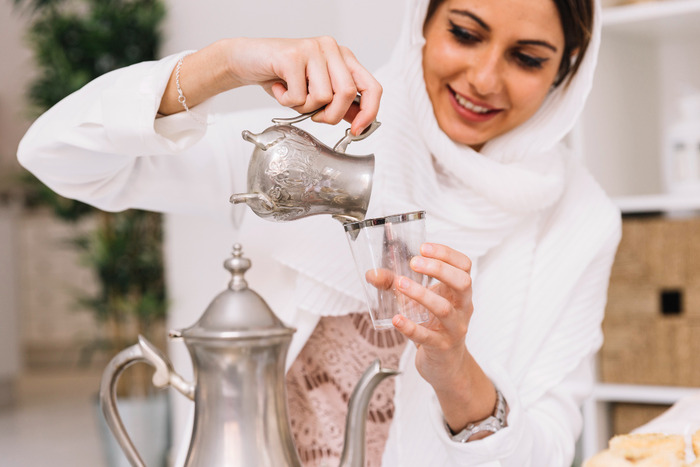
As the holy month of Ramadan approaches, many in the UAE look forward to fasting from dawn until sunset. While this spiritual practice brings about deep reflection and community bonding, it also presents unique challenges, particularly concerning hydration. Understanding how to avoid dehydration during Ramadan in the UAE is essential for maintaining health and well-being throughout the month.
Fasting can lead to an increased risk of dehydration, especially in the hot and arid climate of the UAE. It’s crucial to implement effective strategies to ensure you stay hydrated during non-fasting hours. In this article, we will explore practical tips that can help you navigate this holy month while keeping dehydration at bay.
Understanding Dehydration Risks During Ramadan
Dehydration occurs when your body loses more fluids than it takes in. During Ramadan, the long hours of fasting can contribute to fluid loss without adequate replenishment. The UAE’s climate exacerbates this risk, with high temperatures and dry air leading to increased sweating and fluid loss during the day.

Symptoms of dehydration can range from mild to severe, including headaches, dizziness, fatigue, and dry skin. Understanding these risks can help you prioritize hydration more effectively during Ramadan.
Strategic Hydration: Pre-Dawn and Evening Tips
To avoid dehydration during Ramadan in the UAE, it’s crucial to focus on your hydration strategy during suhoor (the pre-dawn meal) and iftar (the meal to break the fast).

Start your day with a substantial amount of water during suhoor. Aim to drink several glasses before the fast begins. Incorporate hydrating foods such as cucumbers, watermelon, and yogurt into your meal. These foods not only provide hydration but also offer essential nutrients to sustain your energy levels throughout the day.
When breaking your fast at iftar, it’s equally important to rehydrate. Begin with a glass of water or a hydrating beverage, such as coconut water or herbal tea. Avoid carbonated drinks and excessive caffeine, as these can lead to increased fluid loss.
Smart Beverage Choices to Stay Hydrated
Choosing the right beverages can significantly impact your hydration levels during Ramadan. While water is the best option, other drinks can also contribute to your daily fluid intake.
Opt for natural juices, which can provide hydration along with essential vitamins. Herbal teas are another excellent option, as they can be enjoyed hot or cold and often contain hydrating properties.
Avoid drinks high in sugar and caffeine, as they can lead to dehydration. A balanced approach to beverage choices can help maintain hydration levels throughout the holy month.
The Role of Nutrition in Hydration
Nutrition plays a crucial role in maintaining hydration, especially during Ramadan. Consuming a balanced diet rich in fruits, vegetables, and whole grains can help you stay hydrated.
Fruits like oranges, strawberries, and grapes have high water content and can help replenish fluids. Vegetables such as lettuce, celery, and zucchini are also excellent choices for hydration.
Incorporating these foods into your suhoor and iftar meals can enhance your hydration strategy and provide essential nutrients to support your overall health.
Listening to Your Body
One of the most effective ways to avoid dehydration during Ramadan is to listen to your body’s signals. Pay attention to how you feel, especially during the hours of fasting.
If you experience signs of dehydration, such as thirst or dry mouth, take immediate steps to rehydrate during non-fasting hours. It’s essential to prioritize your well-being and make adjustments to your hydration strategy as needed.
Maintaining a Hydration Schedule
Creating a hydration schedule can be a valuable tool to ensure you drink enough water during Ramadan. Set specific goals for how much water you want to consume during suhoor and iftar.
A common approach is to drink a certain amount of water within the first hour of breaking your fast and then continue to hydrate throughout the evening. This structured approach can help you stay on track and avoid the pitfalls of dehydration.
Conclusion: Embrace Ramadan with Proper Hydration
Navigating the fasting period of Ramadan in the UAE requires careful attention to hydration. By implementing strategic hydration practices during suhoor and iftar, making smart beverage choices, focusing on nutrition, and listening to your body’s needs, you can effectively avoid dehydration throughout this holy month.
As you embrace the spiritual journey of Ramadan, remember that staying hydrated is essential for your health and well-being. With these tips, you can enjoy the blessings of Ramadan while keeping dehydration at bay.
Do follow UAE Stories on Instagram
Read Next – Ramadan End Date in UAE 2026: Key Dates and What to Expect