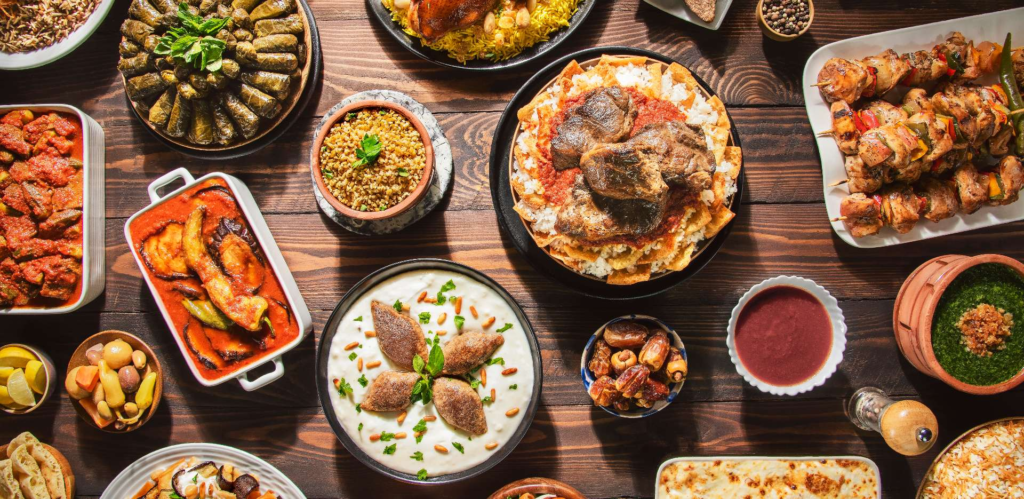
Ramadan, a sacred month of fasting and reflection for Muslims, brings with it a rich tapestry of culinary traditions, especially in the United Arab Emirates. The evolution of Ramadan cuisine in the UAE is a captivating journey that intertwines history, culture, and the influence of various communities. From age-old recipes passed down through generations to modern interpretations that reflect the UAE’s diverse population, the food enjoyed during this holy month tells a story of adaptation and celebration.
Unraveling the Historical Roots of Ramadan Cuisine
Understanding the evolution of Ramadan cuisine in the UAE requires a glimpse into the historical context of the region. The UAE, a melting pot of cultures, has seen waves of migration and trade that have contributed to its culinary landscape.
Traditionally, Emirati cuisine was heavily influenced by the maritime lifestyle of its people. Dishes often included seafood, dates, and grains, reflecting a diet that was both nutritious and practical. As trade routes expanded, spices from India, Iran, and beyond began to make their way into local kitchens, enriching the flavors of Ramadan meals.

During Ramadan, the day begins with Suhoor, a pre-dawn meal designed to sustain the faithful throughout the day. This meal often features hearty dishes such as lentil soups, flatbreads, and dairy products, aimed at providing energy for the long hours of fasting.
The Transformation of Iftar Traditions
As the sun sets, the atmosphere in the UAE transforms, and the Iftar meal takes center stage. The evolution of Ramadan cuisine in the UAE is particularly evident during Iftar, where the communal aspect of breaking the fast brings families and friends together.

Traditionally, dates and water are the first items consumed to break the fast, a practice rooted in the Sunnah of the Prophet Muhammad. However, as culinary influences diversified, the Iftar table expanded to include an array of dishes.
Classic Emirati options, such as Harees (a wheat and meat dish) and Majboos (a spiced rice dish with meat), share the spotlight with international favorites. The influence of South Asian, Middle Eastern, and even Western cuisines can be seen in dishes like samosas, kebabs, and pasta, creating a unique fusion that reflects the UAE’s cultural diversity.
A Modern Take on Traditional Flavors
In recent years, the evolution of Ramadan cuisine in the UAE has embraced modern culinary trends while still honoring traditional flavors. Chefs and home cooks alike are experimenting with new ingredients and techniques to create innovative dishes that appeal to contemporary palates.
The rise of health-conscious eating has led to the introduction of lighter options during Iftar. Salads, grilled meats, and dishes that highlight fresh vegetables have become increasingly popular. Additionally, the use of organic and locally sourced ingredients is on the rise, as more people seek to connect with their food and support the local economy.
Social media plays a significant role in this evolution, with platforms like Instagram showcasing beautifully presented dishes that inspire creativity in home cooking. The sharing of recipes and culinary experiences has fostered a sense of community, allowing the traditions of Ramadan to flourish in new and exciting ways.
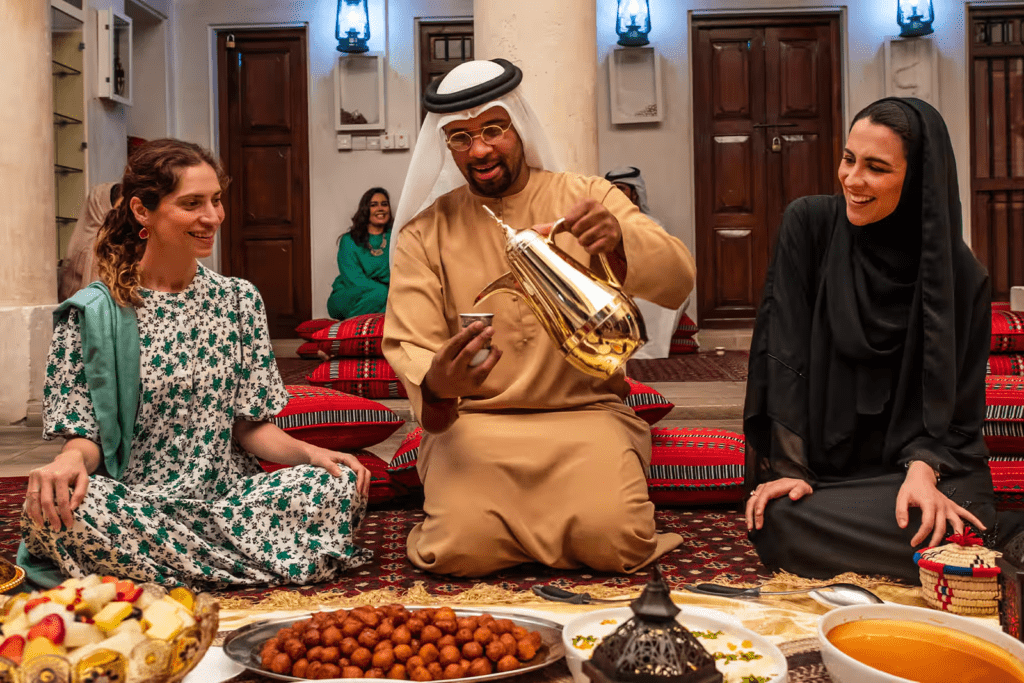
Celebrating the Spirit of Ramadan Through Food
The evolution of Ramadan cuisine in the UAE is not just about the food itself; it is deeply intertwined with the spirit of the month. Meals during Ramadan are often elaborate, designed to encourage sharing and generosity. This philosophy is rooted in the teachings of Islam, emphasizing compassion, charity, and togetherness.
Community initiatives, such as Iftar tents and charitable food drives, have become commonplace, reflecting the UAE’s commitment to social responsibility. These gatherings serve not only to break the fast but also to foster connections among diverse groups, reinforcing the importance of unity during this holy month.
Conclusion: The Ever-Changing Culinary Landscape of Ramadan
The evolution of Ramadan cuisine in the UAE is a fascinating reflection of cultural exchange, tradition, and modernity. As culinary practices continue to evolve, the essence of Ramadan remains rooted in the values of community, generosity, and spiritual reflection. Whether it is a traditional dish prepared with love or a modern fusion meal that tells a new story, the food enjoyed during this sacred month will always hold a special place in the hearts of those who partake.
Do follow UAE Stories on Instagram
Read Next – Healthy Fasting Tips from UAE Nutrition Experts