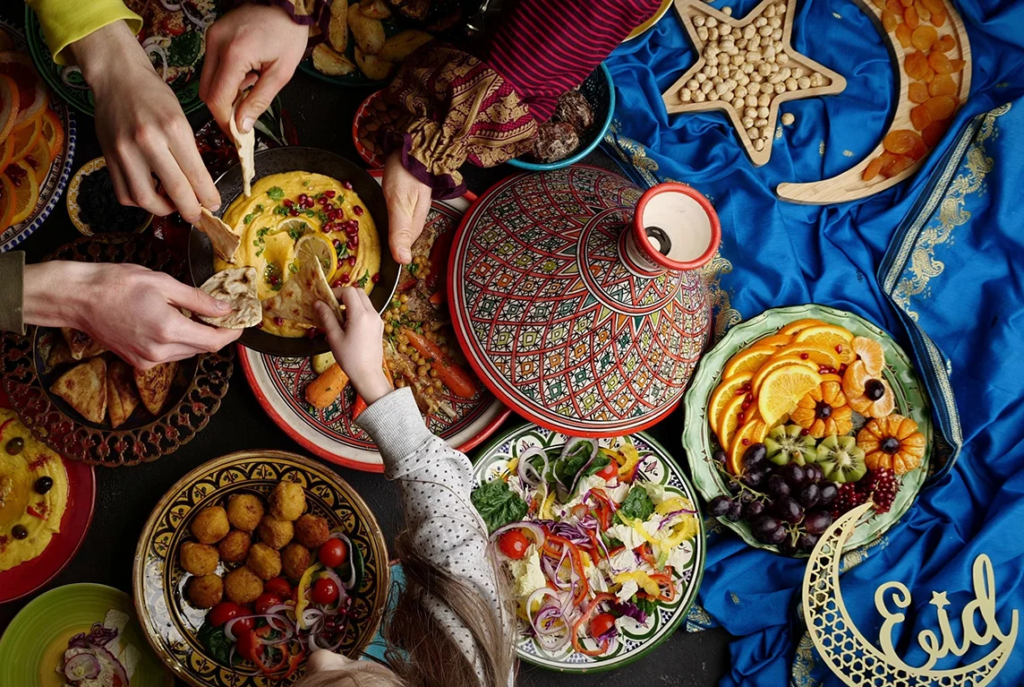
Ramadan is a month of reflection, prayer, and community bonding for millions of Muslims worldwide. Among the various practices that define this holy month, the act of sharing food holds profound cultural significance. The cultural meaning of sharing food during Ramadan transcends mere sustenance; it embodies unity, generosity, and spiritual connection. This article explores the rich traditions and deep-rooted values associated with sharing food during Ramadan and its impact on communities.
The Essence of Ramadan: More Than Just Fasting
Fasting during Ramadan is one of the five pillars of Islam, but it is not just about abstaining from food and drink during daylight hours. It is a time for spiritual growth, self-discipline, and empathy. Sharing food plays a crucial role in this experience, transforming the act of breaking the fast into a communal event filled with love and generosity.
When the sun sets, Muslims gather with family and friends to partake in iftar, the meal that breaks the fast. This moment is significant as it symbolizes the end of a day spent in devotion and reflection. The food shared during iftar not only nourishes the body but also strengthens the bonds of community and family.

Generosity at the Heart of Ramadan
The cultural meaning of sharing food during Ramadan is deeply rooted in the values of generosity and charity. Muslims are encouraged to give to those in need, and sharing meals is a direct expression of this principle. Inviting neighbors or less fortunate individuals to join in the iftar meal illustrates a commitment to community welfare and social solidarity.
This spirit of giving is further emphasized by the tradition of preparing extra food to share with others. Many families cook large quantities of traditional dishes to ensure that no one goes hungry. This generosity fosters a sense of belonging and reinforces communal ties that might otherwise fade in today’s fast-paced world.

Food as a Symbol of Unity and Togetherness
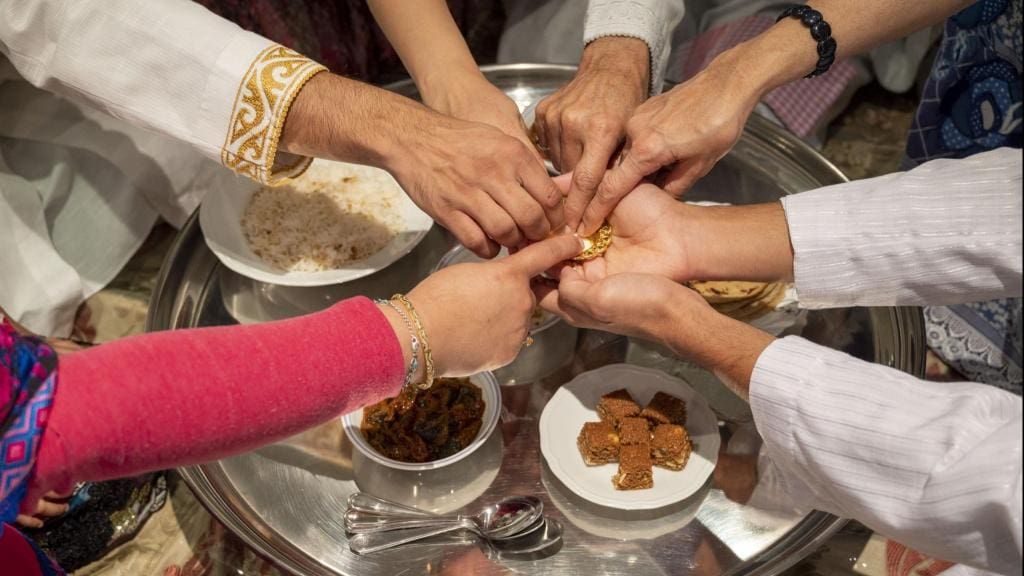
The act of sharing food during Ramadan serves as a powerful symbol of unity. Meals shared among friends, family, and even strangers create an atmosphere of togetherness and harmony. Regardless of differences in backgrounds or beliefs, the shared experience of breaking bread encourages dialogue and understanding.
In many cultures, specific dishes hold particular significance during Ramadan. For instance, dates are traditionally served to break the fast, symbolizing the sweetness of generosity and the importance of tradition. Each culture brings its unique flavor to the table, showcasing the diversity within the Muslim community while highlighting the common thread of shared meals.
Bridging Generational Gaps Through Food
In addition to fostering community ties, sharing food during Ramadan plays a vital role in bridging generational gaps. Families often come together to prepare traditional dishes, allowing younger generations to learn about their heritage and the customs associated with Ramadan. This act of cooking and sharing not only preserves cultural identity but also strengthens family bonds.
As families gather, stories are shared, laughter fills the air, and memories are created. These gatherings during Ramadan encourage conversations about faith, values, and traditions, ensuring that the spirit of Ramadan is passed down through generations.
The Role of Food in Spiritual Reflection
The cultural meaning of sharing food during Ramadan extends beyond the physical act of eating. It serves as a catalyst for spiritual reflection and gratitude. The meals shared during iftar remind individuals of their blessings and the importance of appreciating what they have. This sense of gratitude extends to the food itself, as many reflect on the effort that goes into preparing meals and the resources available to them.
In many Muslim communities, the act of sharing food also includes prayers of thanks for the sustenance provided. This connection between food and spirituality enhances the overall experience of Ramadan, emphasizing the need for mindfulness and reflection.
Modern-Day Adaptations of Food Sharing
As society evolves, so too do the ways in which food is shared during Ramadan. While traditional practices remain, many communities are incorporating modern elements into their celebrations. Potluck-style iftars, where guests bring dishes to share, have become popular, allowing for a broader array of flavors and fostering a sense of camaraderie among participants.
Social media platforms have also influenced how food sharing is perceived and practiced during Ramadan. Families and friends often document their meals online, creating a sense of connection among those who may be physically far apart. This digital sharing mirrors the physical act of gathering, reinforcing the cultural meaning of sharing food during this sacred month.
Conclusion: A Time for Connection and Reflection
The cultural meaning of sharing food during Ramadan is a testament to the values of generosity, unity, and gratitude. It serves as an opportunity for individuals to connect with one another, reflect on their blessings, and strengthen the bonds of community and family. Whether through traditional meals or modern adaptations, the act of sharing food remains a cornerstone of the Ramadan experience.
As we celebrate this holy month, let us remember the importance of sharing not only food but also compassion and understanding. By embracing the spirit of togetherness, we can create a more harmonious world, one meal at a time.
Do follow UAE Stories on Instagram
Read Next – Exploring the Best Community Iftar Tents in the UAE