Changing Weather Patterns Influence the Country
The National Centre of Meteorology (NCM) has highlighted a noticeable shift in weather conditions across the United Arab Emirates, with cooler temperatures, increasing wind strength, and changing sea conditions affecting several regions. These developments come as part of a broader atmospheric transition typical of the winter season, prompting authorities to advise residents and marine operators to remain alert over the coming days.
According to the NCM, the UAE is currently experiencing the combined influence of a weak surface low-pressure system extending from the east and a high-pressure system approaching from the west. This interaction, along with a weak upper-air low-pressure system, is creating unstable yet manageable weather conditions that may fluctuate from day to day.
Cooler Temperatures Expected in Several Regions
Temperature readings across the country have already shown a gradual decline, particularly during night and early morning hours. The NCM has indicated that western and inland regions are likely to experience a more noticeable drop in temperatures, especially between January 15 and January 18, as cooler air masses move across the country.

Daytime temperatures are expected to remain mild, offering some relief from colder nights, while mountainous areas may experience cooler conditions compared to coastal zones. These changes reflect seasonal winter patterns that typically bring more comfortable daytime weather but colder evenings.
Rising Humidity and Morning Mist Formation
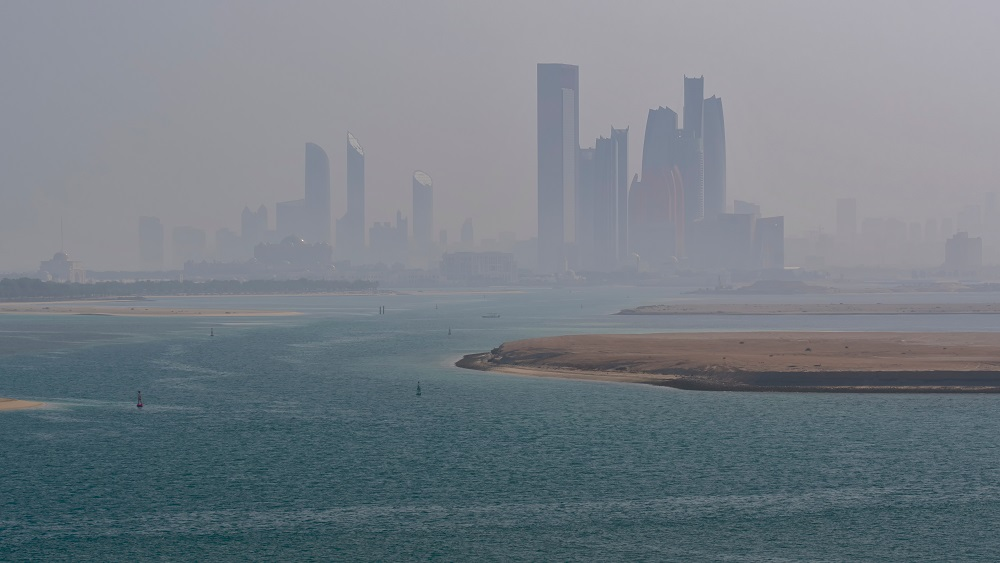
In addition to cooler temperatures, humidity levels are forecast to increase during nighttime and early morning periods. Western and coastal areas are particularly prone to this rise in moisture, which may lead to the formation of mist or light fog, especially between late night and early morning hours.

Reduced visibility is possible in low-lying and open areas, requiring caution from motorists, particularly on highways and desert roads. The NCM has advised drivers to remain attentive, reduce speed where visibility is limited, and follow official traffic advisories during these conditions.
Stronger Winds and Blowing Dust Concerns
Winds across the UAE are expected to intensify over the coming days, shifting from light to moderate speeds and becoming fresh to strong at times. These stronger winds are forecast to peak between January 16 and January 19, particularly over open land and sea areas.
In exposed regions, especially deserts and open plains, the increased wind activity may stir up dust and sand, temporarily reducing visibility. Residents in such areas are encouraged to secure loose outdoor items and remain cautious during periods of strong gusts.
Rough Sea Conditions and Marine Advisory
Marine conditions are also expected to be affected as wind speeds increase. The NCM has warned that sea conditions may become rough to very rough at times, particularly in the Arabian Gulf and the Oman Sea during the forecast period.
Wave heights are expected to rise significantly during peak wind activity, posing challenges for small boats and marine operations. Fishermen, recreational boaters, and commercial marine operators are advised to closely follow official marine forecasts and avoid unnecessary sea travel during periods of strong winds.
Possibility of Light Rainfall in Select Areas
The weather outlook also includes the potential for light rainfall in some regions of the country. According to the NCM, scattered rain may occur over coastal and northern areas, particularly between January 17 and January 20, as cloud cover increases under the influence of the upper-air low-pressure system.
While rainfall amounts are expected to be light and intermittent, these showers may contribute to localized wet road conditions and further fluctuations in temperature. Residents are encouraged to remain updated on daily forecasts, as rainfall patterns may vary by location.
Impact on Daily Life and Travel
The combination of cooler temperatures, stronger winds, reduced visibility, and changing sea conditions underscores the importance of preparedness during this period. Motorists should remain cautious during early morning hours when mist is most likely, while those planning outdoor activities should consider wind chill and changing weather conditions.
Air quality may also be temporarily affected in areas experiencing blowing dust, particularly for individuals with respiratory sensitivities. Wearing protective masks and limiting outdoor exposure during peak wind periods may help reduce discomfort.
NCM Advises Ongoing Vigilance
The National Centre of Meteorology continues to monitor these weather developments closely and has reiterated the importance of staying informed through official channels. Regular updates, forecasts, and advisories are being issued to ensure public safety and awareness as conditions evolve.
Residents are encouraged to plan their activities with flexibility, particularly those involving travel, marine operations, or outdoor work. The NCM’s guidance aims to support safe movement and daily routines while adapting to seasonal weather shifts.
Seasonal Transition Brings Dynamic Conditions
Weather experts note that such variability is common during winter transitional periods in the UAE. The interaction between multiple pressure systems often results in alternating phases of calm and active weather, including temperature drops, wind surges, and occasional rainfall.
As the country moves deeper into the winter season, similar fluctuations may continue, making regular weather monitoring an essential part of daily planning. The NCM remains committed to providing accurate and timely forecasts to help residents navigate these changing conditions safely.
Do follow UAE Stories on Instagram
Read Next – WHX Dubai 2026 Poised for Its Biggest and Most Ambitious Edition