The Future of Work and Its Impact on Office Real Estate: What You Must Know
As we step into an era marked by rapid technological advancement and shifting workplace dynamics, the future of work and its impact on office real estate are becoming increasingly intertwined. The way we work is evolving, and so are the spaces we occupy. Understanding these changes is essential for businesses, investors, and employees alike.
How Remote Work is Redefining Office Spaces
The rise of remote work has disrupted traditional office layouts and designs. Companies are embracing flexible work arrangements, allowing employees to choose where they work best. This shift is prompting businesses to rethink their real estate strategies, leading to a more agile and adaptive approach to office environments.
With fewer employees in the office on any given day, the demand for large, open-plan offices is diminishing. Instead, businesses are exploring hybrid models that combine remote work with collaborative spaces for team gatherings. This evolution is reshaping the landscape of office real estate, compelling landlords and developers to adapt their offerings.

The Role of Technology in Office Real Estate Transformation
Technological innovations are significantly influencing the future of work and its impact on office real estate. Smart buildings equipped with IoT devices enhance efficiency and create a better workplace experience. From automated lighting to climate control, technology is helping create environments that adapt to the needs of employees.
Moreover, virtual and augmented reality tools are changing how companies view office spaces. Potential tenants can now take virtual tours, making the property search process more efficient and engaging. This tech-driven approach not only saves time but also allows companies to visualize how spaces can be utilized in a hybrid work environment.

What Employees Really Want: Insights into Work Preferences
Understanding employee preferences is crucial in navigating the future of work. Surveys reveal that employees value flexibility, work-life balance, and a sense of community. The impact of these preferences on office real estate is profound.
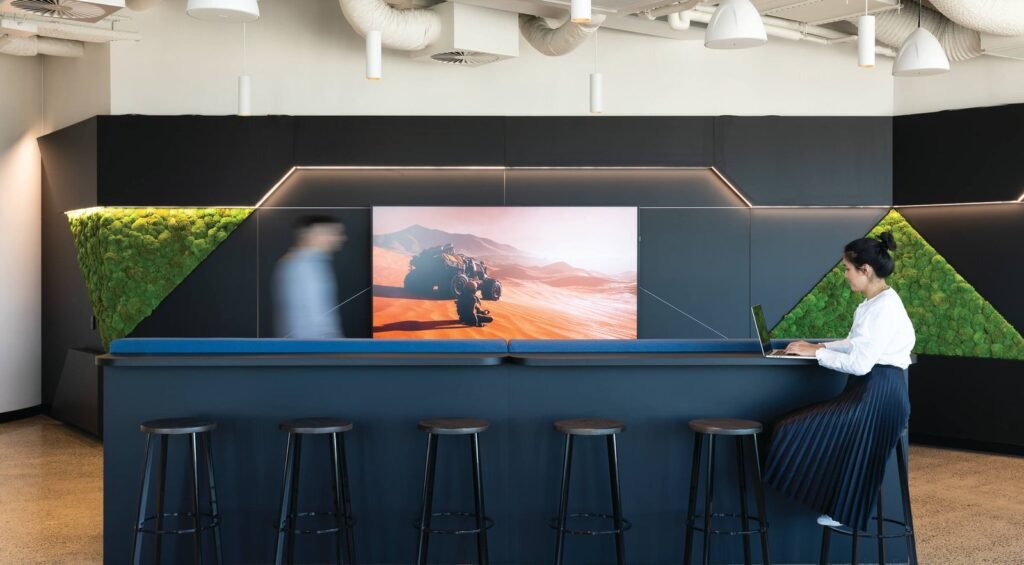
Companies are increasingly designing workspaces that promote collaboration while offering quiet areas for focused work. Amenities like wellness rooms, coffee bars, and outdoor spaces are becoming more common, as businesses strive to create environments that attract and retain talent. This shift emphasizes the importance of not just having a physical space, but one that fosters engagement and well-being.
The Rise of Co-Working Spaces: A Game Changer
Co-working spaces are gaining popularity as they align with the evolving needs of modern workers. These flexible work environments cater to freelancers, start-ups, and established companies looking for temporary office solutions. The future of work and its impact on office real estate is evident in the growing demand for versatile spaces that can accommodate various work styles.
Co-working spaces offer the benefits of networking opportunities, shared resources, and a sense of community—all essential elements that employees are seeking in their work environments. As these spaces multiply, traditional office landlords are re-evaluating their strategies to remain competitive in a rapidly changing market.
Urbanization and Its Influence on Office Real Estate
As urbanization continues, the future of work is closely tied to the dynamics of city living. Professionals are increasingly drawn to urban centers that offer a vibrant lifestyle alongside career opportunities. This trend is influencing the demand for office spaces in city hubs.
Real estate developers are responding by creating mixed-use developments that blend residential, commercial, and recreational spaces. These integrated environments cater to the needs of modern workers, offering convenience and accessibility. The future of work and its impact on office real estate will be heavily shaped by how well these developments foster a sense of community and connectivity.
Sustainability: A Non-Negotiable for Future Workspaces
Sustainability is no longer a buzzword but a fundamental aspect of the future of work. As companies become more environmentally conscious, the demand for sustainable office spaces is rising. This shift is influencing how office real estate is designed, constructed, and maintained.
Green buildings, energy-efficient technologies, and sustainable materials are becoming the norm rather than the exception. Companies are looking for spaces that align with their values and appeal to eco-conscious employees. The impact of sustainability on office real estate is significant, as it not only attracts tenants but also enhances the overall value of properties.
The Importance of Flexibility in Office Design
Flexibility in office design is essential in adapting to the future of work. As companies navigate changing work models, the ability to reconfigure spaces quickly will be paramount. Open layouts, movable furniture, and adaptable meeting rooms are becoming integral to modern office design.
This emphasis on flexibility ensures that office environments can evolve alongside business needs. Whether accommodating a sudden increase in staff or reconfiguring for team collaborations, adaptable spaces will be a key aspect of successful office real estate strategies.
The Impact of Global Events on Office Real Estate Trends
Global events such as pandemics or economic downturns can dramatically reshape the landscape of office real estate. The COVID-19 pandemic, for instance, accelerated changes in work patterns, pushing companies to reconsider their real estate commitments.
As we move forward, it is crucial for businesses and investors to remain vigilant about potential disruptions and their effects on office space requirements. Flexibility and adaptability will be critical in navigating these uncertainties, ensuring that office real estate strategies can withstand the tests of time.
The Future of Work: Predictions and Trends to Watch
Looking ahead, several trends will likely shape the future of work and its impact on office real estate. Hybrid work models, technological advancements, and a focus on employee well-being will continue to drive changes in workspace design.
Additionally, the demand for flexible lease terms and shorter commitments is likely to increase, as businesses aim to remain agile in uncertain times. The ongoing evolution of co-working spaces will also influence traditional office environments, pushing them to adapt and innovate.
Conclusion: Embracing Change in Office Real Estate
The future of work and its impact on office real estate present both challenges and opportunities. As we adapt to new work dynamics, it is essential for businesses and real estate professionals to embrace change and remain open to innovation.
By understanding employee preferences, leveraging technology, and prioritizing sustainability, companies can create workspaces that not only meet current demands but also anticipate future needs. The journey ahead may be uncertain, but by fostering flexibility and adaptability, the office real estate sector can thrive in this new era.
Written by
Do follow UAE Stories on Instagram:
Link: https://www.instagram.com/uaestoriesofficial