Unlocking Potential: Blockchain and Real Estate Transactions in the UAE
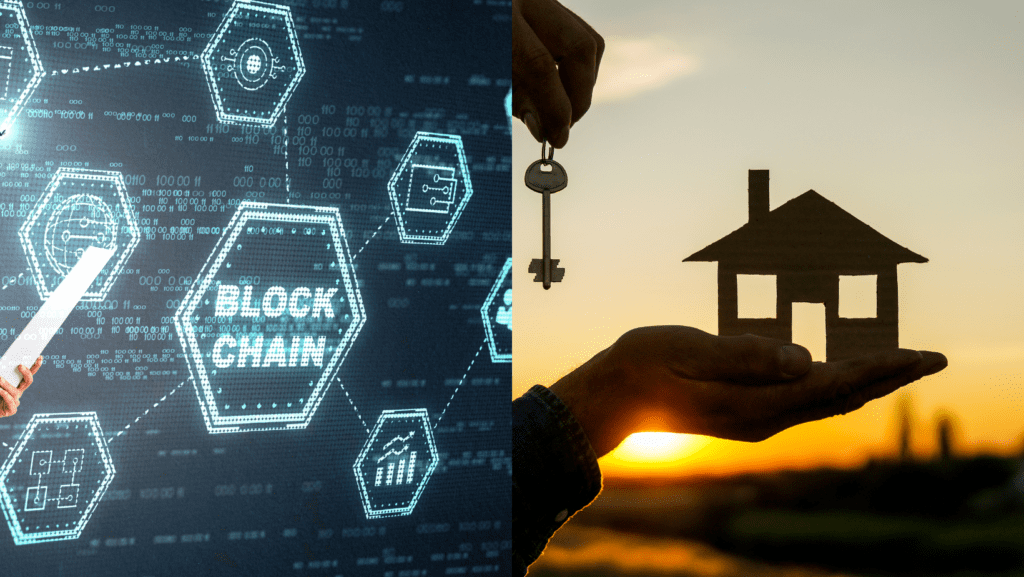
In recent years, the UAE has emerged as a global hub for innovation, and the real estate sector is no exception. The integration of blockchain technology into real estate transactions is making waves across the region. But what does this mean for buyers, sellers, and investors in the UAE?
This article delves into how blockchain and real estate transactions in the UAE are revolutionizing the industry, enhancing transparency, and streamlining processes.
Why Blockchain is a Game Changer for Real Estate
Blockchain technology offers a decentralized, secure, and transparent platform for property transactions. This innovation is crucial in an industry often plagued by inefficiencies and lack of trust. By utilizing blockchain, real estate transactions in the UAE can be executed with greater speed and security.

Imagine a world where property ownership records are immutable, and transactions can be completed without the need for intermediaries. This is the promise that blockchain holds.
The Current State of Real Estate in the UAE
The UAE’s real estate market has experienced tremendous growth, driven by a diverse population and increasing foreign investments. However, it also faces challenges, such as lengthy paperwork, high transaction costs, and a lack of transparency.

With blockchain technology, these challenges can be addressed effectively. The implementation of blockchain in real estate transactions can simplify processes, reduce costs, and enhance trust among parties involved.
How Blockchain Works in Real Estate Transactions
Blockchain operates on a distributed ledger system, where all transactions are recorded in real-time and cannot be altered. Here’s how it can transform real estate transactions in the UAE:
Smart Contracts: These are self-executing contracts with the terms directly written into code. They automate processes such as escrow, ensuring that funds are only released when specific conditions are met.
Transparency: All parties have access to the same information, reducing disputes and misunderstandings. This transparency fosters trust among buyers and sellers.
Reduced Costs: By eliminating the need for intermediaries, blockchain can significantly lower transaction costs. This is particularly beneficial in a market like the UAE, where transaction fees can be substantial.
Speed: Transactions that traditionally take days or weeks can be completed in a matter of hours. This agility can attract more investors and buyers.
Real-Life Applications: Blockchain in Action
Several initiatives in the UAE are already showcasing the potential of blockchain for real estate transactions. The Dubai Land Department is pioneering the use of blockchain to create a secure and efficient system for property registration.
By digitizing property records, the department has made it easier for buyers and sellers to access vital information, ultimately streamlining the transaction process.
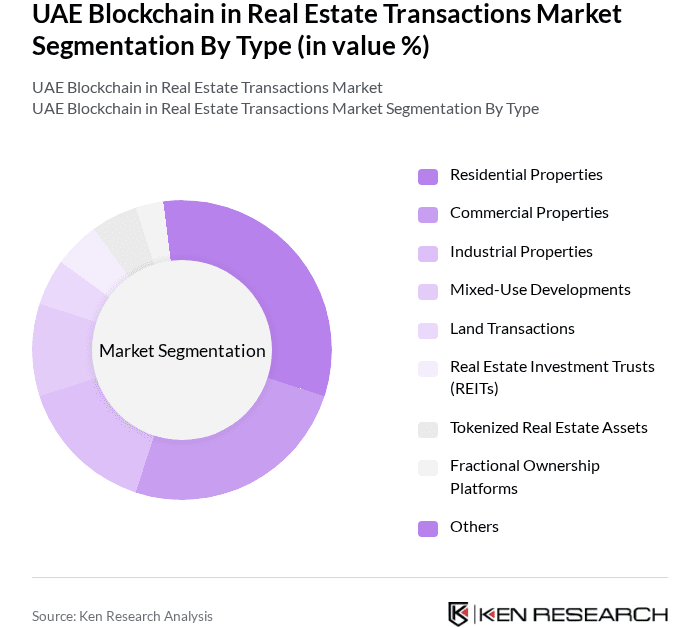
Additionally, various startups and real estate companies are exploring blockchain solutions to facilitate tokenization of property, allowing fractional ownership and expanding access to investment opportunities.
The Benefits of Blockchain for Buyers and Sellers
For buyers, blockchain offers a secure environment where property details are verifiable and transparent. This reduces the risk of fraud, ensuring that they are making a sound investment.
Sellers, on the other hand, benefit from the faster transaction times and lower fees associated with blockchain. The ability to use smart contracts also ensures that all conditions are met before a sale is finalized, further protecting their interests.
Challenges and Considerations in Implementation
While the benefits of blockchain and real estate transactions in the UAE are evident, there are challenges to consider. The technology is still relatively new, and there may be a learning curve for both industry professionals and consumers.
Regulatory frameworks also need to evolve to accommodate blockchain technology. As the UAE government is known for its progressive stance on innovation, we can expect ongoing developments in this area.
The Future of Blockchain and Real Estate in the UAE
The future of blockchain and real estate transactions in the UAE looks promising. As the technology matures and more stakeholders recognize its benefits, we can anticipate a shift in how real estate is bought and sold.
Increased adoption of blockchain will likely lead to a more efficient and transparent marketplace, attracting even more international investors and buyers.
Final Thoughts: Embracing Innovation in Real Estate
In conclusion, the integration of blockchain into real estate transactions in the UAE is not just a trend; it’s a fundamental shift that can reshape the industry. With its potential to enhance transparency, reduce costs, and speed up transactions, blockchain offers a future where real estate dealings are more accessible and secure.
As buyers, sellers, and investors become more informed about the advantages of blockchain, we can expect the UAE’s real estate market to thrive, setting a global standard for innovation in property transactions.
Written by
Do follow UAE Stories on Instagram:
Link: https://www.instagram.com/uaestoriesofficial