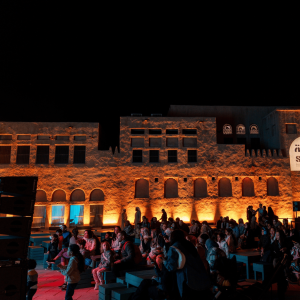
The desert has always been a place of quiet wonder, but on this special night, the sands of Al Qudra Desert transform into a natural observatory where the universe feels close enough to touch. Stargazers, families, and astronomy lovers gather beneath open skies for a rare celestial pairing: a radiant Supermoon sharing the heavens with the Quadrantids meteor shower. It is an experience that blends science, storytelling, and shared awe, offering a powerful reminder of how vast and beautiful the cosmos truly is.
Set against the stillness of the desert near Dubai, the event invites participants to slow down, look up, and reconnect with the night sky. Far from city lights, Al Qudra provides one of the clearest backdrops in the region for observing lunar brilliance and fleeting meteors streaking across the darkness.
A Supermoon That Commands Attention
A Supermoon occurs when the Moon reaches its closest point to Earth in its orbit, appearing larger and brighter than usual. On this night, the Moon rises with a commanding presence, bathing the desert in silvery light. Known traditionally as the Wolf Supermoon, it carries cultural symbolism tied to winter nights and ancient storytelling, when wolves were believed to howl beneath the brightest full Moons.

This heightened lunar glow creates a dramatic atmosphere, illuminating the dunes and casting long shadows across the sand. While strong moonlight can soften the visibility of faint stars, it also enhances the emotional impact of the experience. The Moon becomes not just an object to observe, but a central character in the night’s unfolding story.
Guided talks during the program help participants understand why Supermoons occur, how they differ from regular full Moons, and why they continue to capture human imagination across cultures and centuries.

Quadrantids: A Meteor Shower With a Mysterious Past
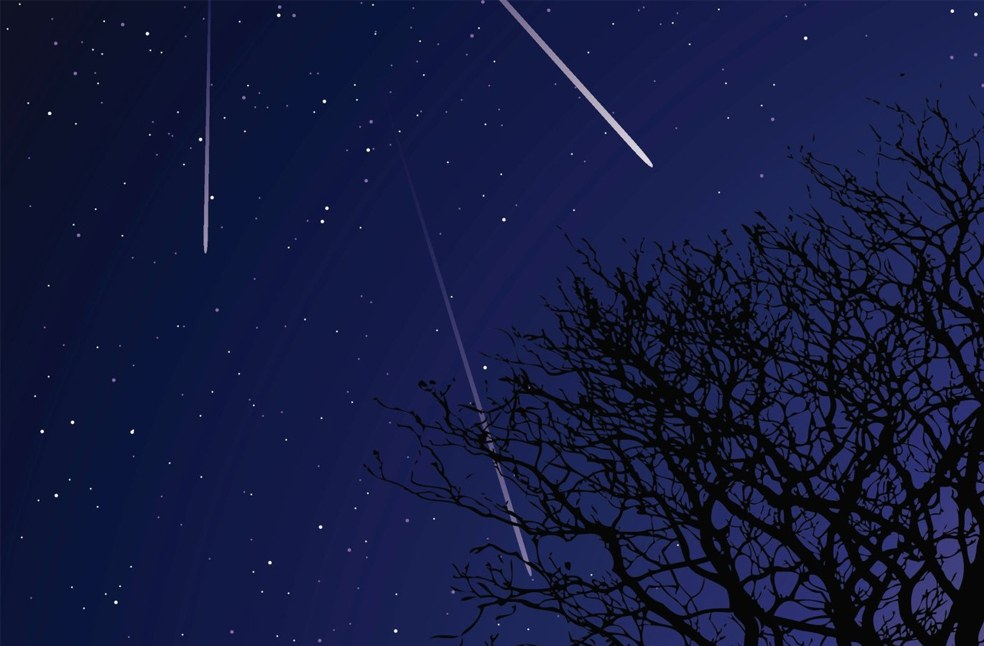
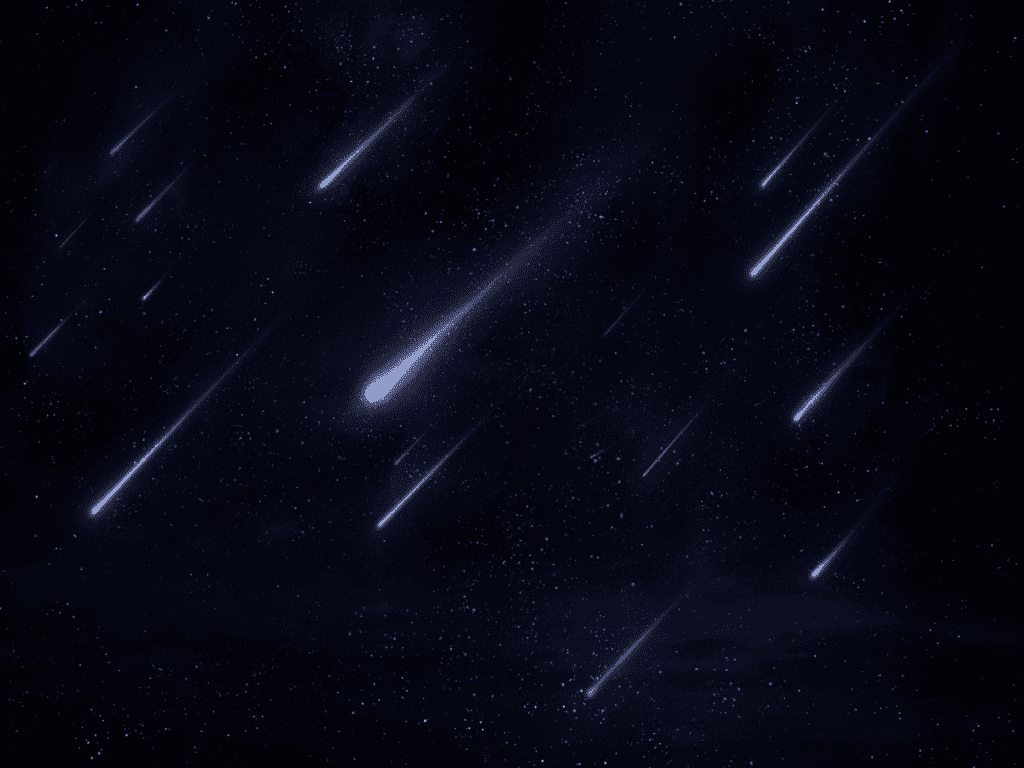
Sharing the sky with the Supermoon is the Quadrantids meteor shower, one of the year’s most intense yet short-lived displays. The Quadrantids are known for producing bright, fast meteors that can still cut through strong moonlight, making them ideal for viewing even under luminous conditions.
The name Quadrantids comes from an obsolete constellation called Quadrans Muralis, which no longer appears on modern star charts. Despite its removal from official astronomical listings, the meteor shower retained its historic name, adding a layer of mystery and heritage to the event. Some astronomers also associate the shower with the region of the sky near the constellation Boötes.
The meteors originate from asteroid 2003 EH1, a rocky body that orbits the Sun roughly every five and a half years. As Earth passes through the debris left behind by this object, tiny particles burn up in the atmosphere, creating brilliant flashes of light that last only seconds but leave lasting impressions.
Brighter Meteors Against a Luminous Sky
One of the defining features of this night is the contrast between the glowing Supermoon and the sharp brilliance of Quadrantid meteors. While smaller streaks may be washed out by moonlight, the brighter fireballs still shine through, offering dramatic moments that reward patience and attentive watching.
Participants are encouraged to allow their eyes time to adjust and to scan wide areas of the sky rather than focusing on a single point. This approach increases the chances of catching a meteor unexpectedly blazing across the heavens, often drawing spontaneous gasps and shared excitement from the crowd.
The experience becomes as much about anticipation as observation, with long quiet moments punctuated by sudden bursts of light that remind viewers of the dynamic nature of space.
Guided Learning Under the Stars
Beyond passive viewing, the event is designed as an immersive educational journey. Astronomy guides lead participants through the science behind the night’s phenomena, explaining lunar phases, meteor origins, and the movement of celestial bodies. These talks are delivered in an accessible, engaging manner that appeals to both beginners and seasoned stargazers.
A dedicated sky-mapping session helps attendees learn how to navigate the night sky, identify major constellations, and understand how stars shift over time. Storytelling elements weave ancient myths and cultural interpretations into the scientific explanations, creating a rich, layered experience that resonates on both intellectual and emotional levels.
An interactive question-and-answer segment allows participants to satisfy their curiosity, whether they are asking about telescope technology, astrophotography tips, or the deeper mysteries of the universe.
Telescope Views and Planetary Wonders
As the night progresses, telescopes become the focal point of the gathering. Through these instruments, participants can observe the Moon’s surface in remarkable detail, tracing craters, mountains, and shadowed valleys sculpted over billions of years.
The gas giant Jupiter also makes an appearance, offering a chance to see its distinctive bands and, in some cases, its largest moons. Deep-sky objects, such as star clusters and nebulae, provide additional highlights, showcasing the diversity and scale of the cosmos beyond our solar system.
For many attendees, the opportunity to capture images using mobile phones through telescope setups adds a personal keepsake to the experience, blending modern technology with ancient skywatching traditions.
A Shared Human Experience
What sets this night apart is not only the celestial events themselves, but the sense of community they foster. Strangers become companions as they share blankets, hot drinks, and whispered excitement over each new meteor sighting. Children experience their first close-up view of the Moon, while adults rediscover a childlike sense of wonder that daily routines often obscure.
The desert setting amplifies this connection, stripping away distractions and allowing the sky to take center stage. In the quiet between meteors, the vastness above feels both humbling and comforting, reminding everyone present that they are part of something far greater than themselves.
Why Al Qudra Is Perfect for Stargazing
Al Qudra’s open landscape and relatively low light pollution make it an ideal location for astronomical events. The wide horizon offers unobstructed views, while the natural environment enhances the sense of escape from urban life. This combination makes the desert not just a venue, but an integral part of the experience.
As the night draws to a close, participants leave with more than photographs or facts. They carry memories of shared silence, sudden brilliance, and the profound beauty of a universe that continues to surprise and inspire. The Supermoon and Quadrantids at Al Qudra offer a reminder that sometimes, the most powerful experiences come from simply looking up.
Do follow UAE Stories on Instagram
Read Next – A Sky Full of Colour as UAE Welcomes the New Year