
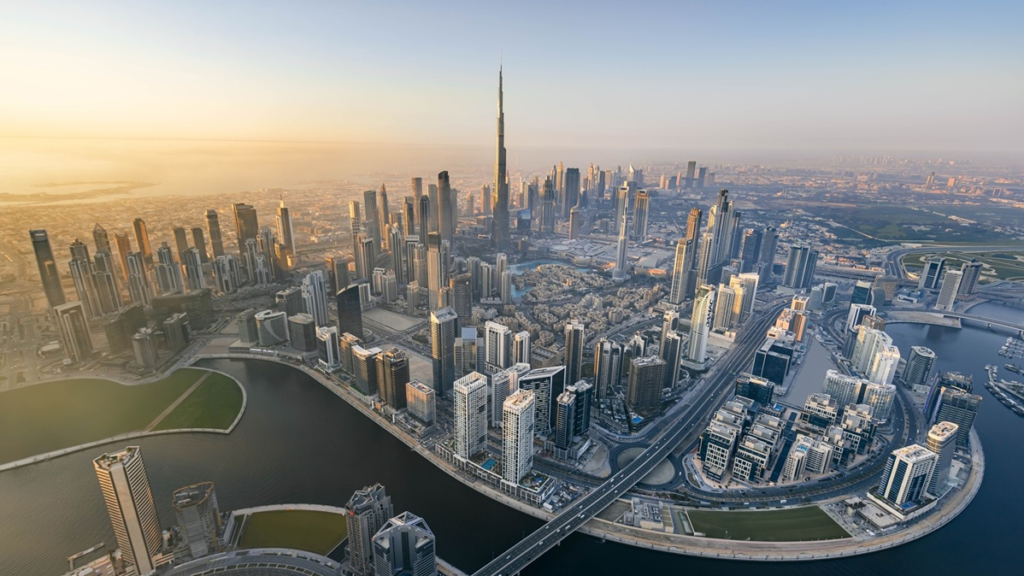
A New Chapter for Dubai’s Rental Market
Will Dubai rents fall in 2026? It is a question quietly shared among tenants renewing leases and closely watched by landlords planning their next move. The answer is no longer a simple yes or no. Instead, Dubai’s rental market is entering a more balanced phase, shaped by maturing demand, shifting lifestyles, and a growing preference for long-term stability over short-term gains.
After several years of rapid rent increases, the city is no longer in a race upward. Instead, it is adjusting to its own scale. Dubai is now home to millions of residents who are not just passing through, but building careers, families, and long-term futures. This change alone is redefining how rents behave across different neighbourhoods.
A Calmer Phase After Years of Growth
Dubai’s rental market has spent much of the past decade in expansion mode. Strong population growth, an influx of global professionals, and a booming short-term rental sector pushed prices higher year after year. In 2026, that momentum is cooling.

This does not signal a downturn, but rather a recalibration. Affordability has become part of everyday conversations, both among tenants and policymakers. More residential units have entered the market, particularly apartments designed for long-term living rather than holiday stays. As supply catches up with demand, rent growth is slowing, and in some areas, flattening entirely.
For tenants, this calmer phase offers breathing room. For landlords, it introduces the need for smarter pricing and longer-term thinking.

Vacancy Rates and Seasonal Reality
Vacancy is playing a larger role in shaping rental trends in 2026. Across Dubai, average vacancy is expected to sit around twelve per cent for the year, but this headline figure hides sharp seasonal differences.
During the summer months, vacancy rises noticeably. The combination of extreme heat, school holidays, and a quieter corporate calendar means fewer new arrivals and more temporary departures. Between July and September, vacancy levels are likely to peak closer to sixteen per cent in certain communities. This period traditionally weakens landlords’ negotiating power, creating short windows where tenants can secure better deals.
The picture changes dramatically in the final quarter of the year. As businesses resume hiring and international relocations pick up, demand returns quickly. By October and November, vacancy in many popular areas drops to near five per cent, restoring balance and limiting downward pressure on rents.
This seasonality is now one of the defining features of Dubai’s rental market, and both tenants and landlords are learning to plan around it.
Are Rents Actually Falling in 2026?
In select segments, yes. But the declines are modest and highly location-specific.
Mid-term rentals are facing the most pressure. As more tenants commit to annual contracts, demand for three- to six-month leases is softening. During low season, average rents in this category may dip by as much as five per cent compared to recent peaks. These adjustments are less about falling values and more about landlords competing to reduce empty periods.
Long-term rentals tell a different story. From October through April, rents are expected to remain broadly in line with levels seen over the past two years. There is little evidence of sharp drops, but also limited scope for significant increases. In effect, rents are stabilising.
Luxury properties and prime locations remain resilient, supported by high-income tenants and limited availability. Meanwhile, mid-market communities are where tenants are most likely to see small but meaningful relief.
The Shift Toward Long-Term Living
One of the most important changes in 2026 is the growing preference for long-term stability. More residents are choosing annual leases, driven by family commitments, schooling, and long-term employment contracts. This trend is slowly reshaping landlord strategies.
Areas such as Al Furjan, Jumeirah Village Circle, and Jumeirah Lake Towers are benefiting from this shift. These communities offer relatively affordable rents, good infrastructure, and easy access to business hubs. For investors, they provide steady occupancy rather than headline-grabbing rental spikes.
Data from leasing platforms shows that long-term contracts in these neighbourhoods are now producing more consistent returns than mid-term alternatives. While peak monthly rates may be lower, reduced vacancy and predictable income are proving more valuable over time.
What This Means for Investors
For property owners, 2026 is about discipline rather than speculation. The era of rapid rent escalation has faded, replaced by a market that rewards patience and realistic pricing.
Investors focused on three- to five-year horizons are increasingly favouring stability over short-term yield. Annual leases reduce turnover costs, minimise vacant months, and create stronger relationships with tenants. In a market where supply is more balanced, these factors matter more than ever.
Landlords who adjust expectations and price competitively during low season are better positioned to retain tenants and avoid extended vacancies. Those who cling to peak pricing year-round may struggle to keep properties occupied.
Why Lower Rents Matter Beyond Tenants
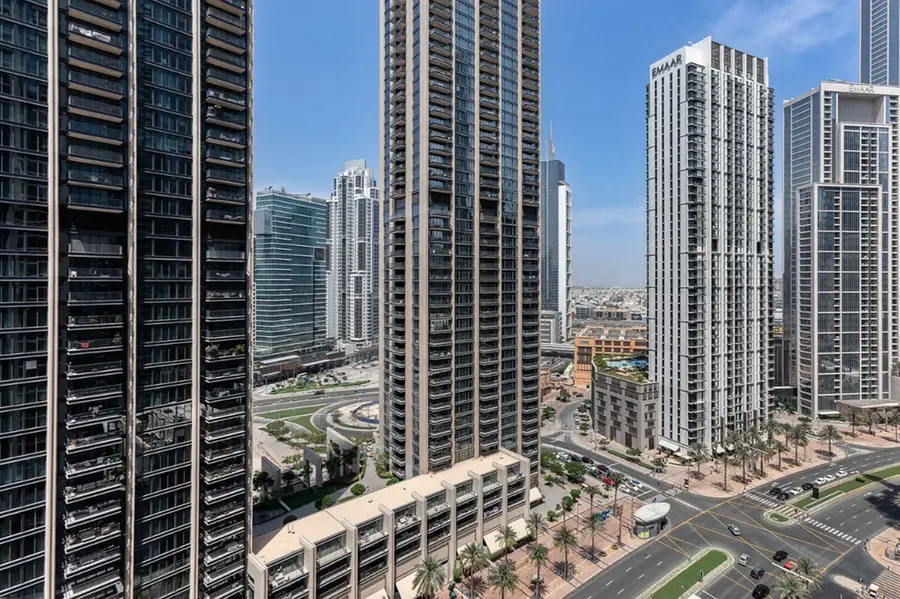
Even modest rent adjustments have broader implications for Dubai’s economy. More affordable housing makes it easier for professionals and young families to settle long term. It reduces pressure on household budgets and allows residents to spend more in other sectors of the economy.
For employers, stable rents lower relocation costs and improve staff retention. Companies can attract talent without compensating for extreme housing expenses, making Dubai more competitive on a global scale.
Over time, a steadier rental market benefits the city as a whole. Reduced turnover creates stronger communities, while predictable housing costs support sustainable growth rather than speculative cycles.
The Outlook for the Rest of the Year
Dubai’s rental market in 2026 is neither booming nor breaking. It is maturing. Rents may soften slightly during quieter months, particularly in mid-market and mid-term segments, but widespread declines are unlikely.
Instead, the year is defined by balance. Tenants have more choice, landlords are adjusting strategies, and long-term living is becoming the norm rather than the exception. For those willing to time their moves and understand seasonal patterns, opportunities exist on both sides of the market.
Final Thoughts
So, will Dubai rents fall in 2026? In some places and at certain times, yes. But the bigger story is stability. After years of rapid change, the market is settling into a rhythm that reflects the city’s evolution from a transient hub to a long-term home for millions.
This shift may not make headlines, but it represents a healthier, more sustainable future for Dubai’s rental landscape.
Do follow UAE Stories on Instagram
Read Next – Every UAE Public Holiday in 2026 and How to Turn Them Into Longer Leave