
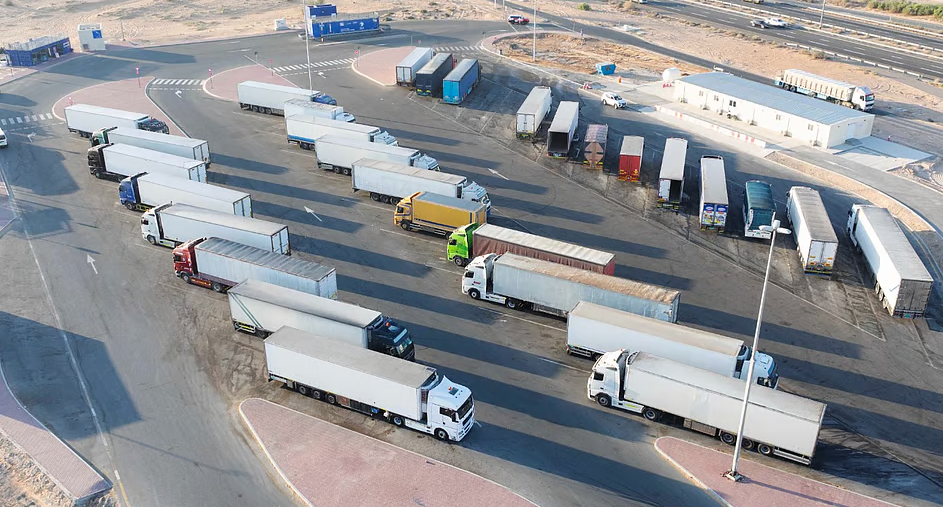
Dubai is taking major steps to improve road safety and reduce congestion by enforcing stricter rules on truck parking across the city. The Roads and Transport Authority (RTA) has intensified inspections, especially on main roads and highways, where heavy vehicles frequently make random stops. These new measures include tougher monitoring systems and very high fines that can reach up to Dh200,000, depending on the severity of the violation. With the recent development of 14 dedicated rest areas designed specifically for trucks, Dubai aims to ensure smoother movement of traffic and safer conditions for both drivers and commuters.
The city’s transport landscape has grown rapidly, and with the increase in commercial activity, the number of trucks on the road has also risen. This has made proper regulation essential. Random or illegal parking by heavy vehicles often causes disruptions, blocks lanes, and creates safety hazards. By tightening the rules, Dubai is addressing long-standing issues in the trucking sector while supporting broader goals of organised mobility and reliable transportation infrastructure.
Why Dubai Is Enforcing Stronger Rules on Truck Parking
Illegal truck parking has been a recurring problem, especially in industrial areas, along highways, and near commercial hubs. Many truck drivers previously stopped in undesignated places for quick breaks, paperwork checks, or to wait for loading and unloading schedules. While these stops may seem minor, they often create major ripple effects on the road.

When large vehicles occupy the shoulder or park near sharp turns, exits, or busy intersections, they reduce visibility for other drivers. Even a small obstruction caused by a truck can lead to sudden braking, lane shifting, and potential accidents. The presence of illegally parked heavy vehicles on main roads can also cause unexpected bottlenecks, which slow down the overall traffic flow.
Dubai’s rapid growth means more movement of goods, more logistics activity, and more heavy vehicles on the road. The government recognised that without strict rules, the high volume of trucks could lead to increased risks. The updated regulations therefore aim not only to punish violators but to create a disciplined, safe, and well-planned road system that matches Dubai’s standard of urban development.

Increased Inspections and Stronger Monitoring Across the City
One of the most significant changes in the new enforcement strategy is the increase in RTA inspections. Teams are now carrying out unannounced checks on highways, industrial zones, loading areas, and at random points across the city. These inspections ensure that trucks follow designated routes and stop only where permitted.
In the past, inspections were limited in frequency, allowing many violators to park illegally without consequences. Now, with regular monitoring, drivers can no longer rely on luck. The RTA uses a combination of patrol teams, smart technology, and surveillance cameras to track truck activity across major routes. This mix of digital and physical monitoring makes the system more effective and reduces the chances of violations going unnoticed.
Drivers must comply with all parking and routing instructions, and they are expected to be familiar with the designated rest areas and approved truck corridors. These inspections are not limited to checking parking zones; they also look at driving behaviour, adherence to weight limits, and compliance with safety guidelines.
High Penalties and Fines Reaching Up to Dh200,000
The introduction of heavy penalties is one of the strongest tools Dubai is using to reduce illegal truck parking. The fine system has been updated to reflect the seriousness of the violations. Simple offences such as stopping without justification in a non-designated area may result in immediate fines or warnings. More serious violations, such as obstructing traffic lanes or parking in dangerous zones, carry much higher penalties.
Depending on the situation, companies may face fines that can go as high as Dh200,000. This upper limit is aimed at repeat offenders and at companies that allow drivers to disregard safety rules. Trucks involved in severe violations may also be impounded temporarily. In extreme cases, commercial permits may be suspended, adding significant financial pressure on business operations.
Some examples of violations covered by the new fines include:
Parking on major highways without emergency need
Blocking entrances, exits, or active traffic lanes
Stopping on bridges, in tunnels, or at sharp turns
Parking during restricted hours in residential or commercial zones
Ignoring RTA-approved truck routes
These penalties highlight how seriously Dubai is treating the issue. The goal is not to create financial burden but to push transport companies and drivers to develop a disciplined operating system. Companies are now expected to ensure their drivers understand the rules and follow them consistently to avoid costly violations.
Dedicated Truck Rest Areas for Safe and Organised Parking
To support the new rules, Dubai has developed 14 dedicated rest areas across the city for truck drivers. These rest zones are strategically located near key roads, industrial districts, and logistics corridors. They are designed to accommodate a large number of heavy vehicles and provide essential facilities that drivers need when taking breaks.
These rest areas offer benefits such as:
Safe and organised parking spaces
Easy access to main roads
Better traffic management
Reduced roadside parking
Facilities to support driver needs
By offering designated spaces, Dubai ensures that truck drivers have safe and accessible alternatives to illegal roadside parking. This infrastructure investment shows that the government is taking a balanced approach, combining strict enforcement with supportive solutions.
These rest areas help reduce pressure on busy roads and minimise the chances of trucks stopping in unsafe or narrow areas. They are an important step toward creating an organised logistics ecosystem where heavy vehicles can operate without contributing to congestion.
How These Rules Will Improve Road Safety and Traffic Flow
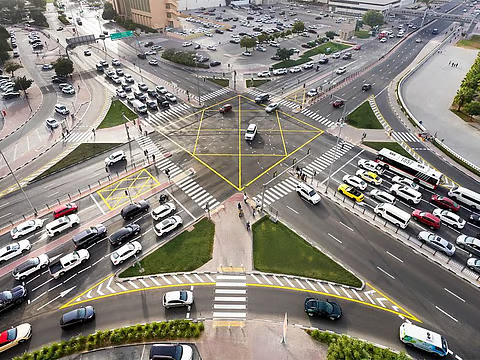
Dubai’s efforts to tighten truck parking rules are expected to have a positive impact on overall road safety. When trucks avoid stopping on busy roads, visibility improves, traffic flows more smoothly, and the risk of accidents decreases. Heavy vehicles require more space to manoeuvre, so removing them from crowded or inappropriate locations significantly reduces hazards for smaller vehicles.
Better enforcement also means that:
Traffic congestion will decrease during peak hours
Emergency lanes will remain clear for police and ambulances
Highways will be more predictable and safer
Delivery times will become more reliable for companies
Commuters will enjoy smoother and faster travel experiences
The long-term goal is to ensure that heavy vehicle movement supports, rather than disrupts, the city’s transport system.
What Truck Drivers and Companies Need to Do Now
With the new rules in place, both drivers and companies must take proactive steps to stay compliant. Planning is now more important than ever. Companies should schedule routes that account for designated rest areas, authorised stops, and approved truck corridors. This ensures that drivers do not feel the need to stop in unsafe locations.
Training and communication are essential. Fleet managers should educate drivers about the new rules, penalties, and risks of illegal parking. They should also set up internal monitoring systems to track driver behaviour and ensure compliance.
Drivers should make it a routine practice to:
Stop only in authorised rest areas
Avoid unnecessary roadside stops
Follow designated truck routes
Check for updated rules from RTA
Adopt safe and organised driving habits
Companies using large fleets should invest in tools that support planning, tracking, and discipline. A well-informed driver is far less likely to violate rules and put the company at risk of heavy penalties.
Dubai’s Vision for Smarter and Safer Mobility
Dubai is known for its forward-thinking approach to urban planning and mobility. The new truck parking rules are part of a larger vision to create safer roads, reduce congestion, and improve logistics efficiency. As the city continues to expand its infrastructure and commercial activities, ensuring discipline on the roads becomes crucial.
These measures reflect Dubai’s strong commitment to safety, innovation, and world-class road systems. By combining strict enforcement with accessible solutions like rest areas, the city is promoting responsible behaviour across the transport sector. These changes not only solve immediate challenges but support Dubai’s long-term mobility goals.
Conclusion
Dubai’s new truck parking rules represent a major step toward creating safer and better-organised roads. With stricter inspections, advanced monitoring, higher penalties, and the development of designated rest areas, the city is working to ensure that heavy vehicles do not disrupt traffic or compromise safety. Transport companies and drivers must now adapt to the new regulations by planning better, following official routes, and using the facilities provided.
These changes promise smoother journeys for commuters, safer conditions for drivers, and more efficient transport operations for businesses. By enforcing discipline and offering practical alternatives, Dubai is building a road environment that supports the needs of a growing modern city.
Do follow UAE Stories on Instagram
Read Next – Dubai’s First SRK-Branded Tower Sells Out in 24 Hours