UAE National Symbols reflect the country’s unity, heritage, resilience, and ambition, especially highlighted during UAE National Day celebrations. Every year, the nation transforms into a vibrant display of culture and pride as people come together to honour the remarkable journey from scattered tribes to a united federation. While the celebrations bring colour, fireworks, and joy, there is a deeper meaning behind the symbols that shape the identity of the Emirates.
Understanding these icons offers more than historical knowledge; it gives insight into the roots of the country’s character and the values that drive its progress. From the national flag to modern architectural marvels, each symbol carries meaning that connects the past with the future. Here is a detailed guide to the symbols that define the UAE’s heritage and ambition.
The Flag: A Canvas of Unity and Strength
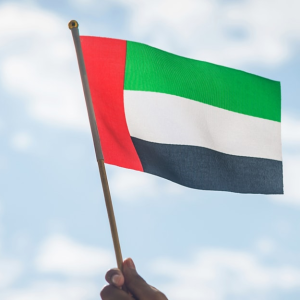
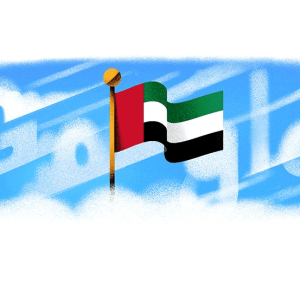
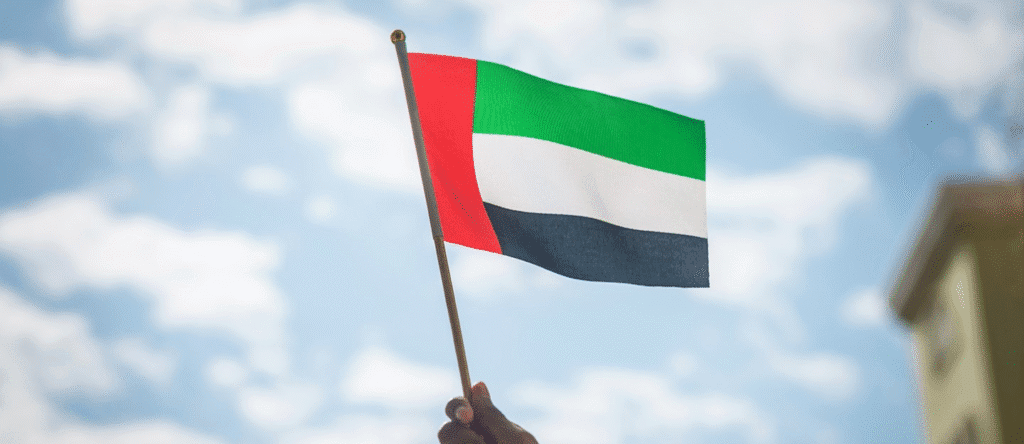
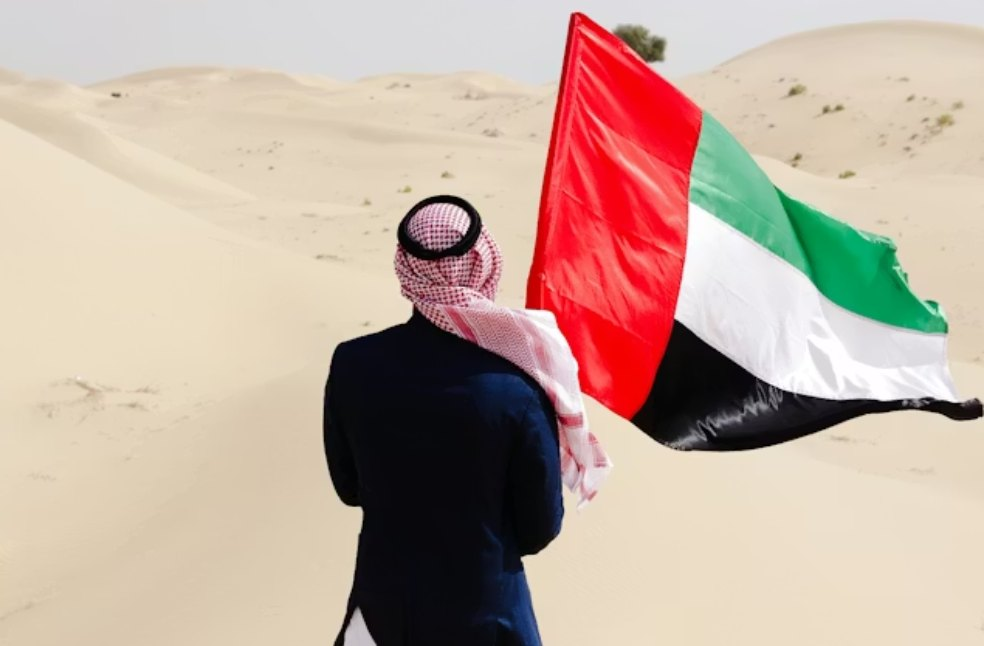
The UAE flag is one of the most powerful symbols of the country’s identity. With its four colours—red, green, white, and black—it represents the unity of the Arab world and the shared values that bind the nation together. These colours were chosen to reflect courage, peace, prosperity, and determination.

The flag’s design was selected through a national competition and was raised for the first time during the creation of the federation. It quickly became a symbol of hope and unity for the people of the newly formed nation. Today, the flag continues to stand proudly as a reminder of the Emirates’ journey from unification to global recognition.
The Falcon: A Guardian of Heritage and Pride
The falcon is one of the most cherished symbols of Emirati culture. Historically, falconry played a key role in the lives of Bedouins, who relied on these skilled birds for hunting and survival. The training of falcons required patience, intelligence, and trust, reflecting the qualities valued within the community.

The national emblem of the UAE features a golden falcon holding a shield that contains the national flag. The falcon, standing confidently with outstretched wings, represents honour, heritage, and strength. It serves as a reminder of the nation’s deep cultural roots and the protective spirit that watches over its unity and progress. The falcon is not only a national emblem but a symbol of pride woven into the identity of the country.
The Dallah: The Everlasting Sign of Hospitality
The dallah, or traditional Arabic coffee pot, is widely recognised across the Arab world, but in the UAE, it holds a special place. For centuries, serving Arabic coffee has been a gesture of welcome and respect. It is one of the most meaningful traditions in Emirati culture, symbolising warmth and generosity.
The design of the dallah is unique, with its curved spout and elegant shape. Beyond its use in daily life, it appears on currency, cultural displays, and in public spaces. The presence of the dallah in modern symbols shows how the UAE honours its traditions even while moving toward advanced development. It stands as a connection between the old and the new, between historical hospitality and modern openness.
The Palm Tree: Life and Resilience in the Desert
The palm tree has long been considered the tree of life in the region. Before the development of modern cities, palm trees played a vital role in daily survival. They provided dates for food, fronds for shelter, and trunks for building and tools. In a harsh desert environment, the palm tree was an essential gift of nature.
Because of this, it came to symbolise resilience, growth, and continuity. Palm trees thriving in difficult conditions reflect the spirit of the Emirati people who overcame challenges with strength and determination. As the UAE grew into a global centre of innovation and prosperity, the palm tree remained a symbol of rooted heritage and upward progress.
The Pearl: A Legacy from the Depths of the Sea
Before the discovery of oil, the economy of the region depended heavily on pearling. Divers risked their lives, spending long hours underwater with limited tools, all in search of natural pearls. This difficult work required bravery, skill, and trust among team members. Pearling shaped the early identity of coastal communities and connected the Emirates with markets across the world.
Because of its historic importance, the pearl came to represent purity, beauty, and the sacrifices of earlier generations. The symbolism of the pearl is deeply embedded in the UAE’s story. It honours the ancestors whose hard work helped lay the foundation for the nation’s growth. Even today, the pearl remains a strong reminder of the resilience and ambition that guided the people long before modern development.
The Dhow: A Vessel of Trade and Exploration
The dhow, a traditional wooden boat, is another essential symbol of the UAE’s maritime heritage. For centuries, these boats carried goods, people, and ideas across the Gulf and Indian Ocean. They played a crucial role in trade, including pearl transportation and international commerce.
The dhow reflects a spirit of exploration and economic ingenuity. It represents the UAE’s long-standing connection to the sea and its ability to build strong trade relationships with the world. In modern times, the dhow stands as a symbol of a nation that continues to sail confidently toward the future, guided by the wisdom of its past.
The Seven Stars: A Symbol of Eternal Unity
The national emblem includes seven stars displayed on the falcon’s chest. These stars represent the seven emirates: Abu Dhabi, Dubai, Sharjah, Ajman, Umm Al Quwain, Ras Al Khaimah, and Fujairah. Though separate in culture and environment, the emirates came together in a historic union that transformed the region.
The seven stars reflect unity, harmony, and shared purpose. They symbolize how each emirate contributes to the strength and identity of the UAE. This iconic representation of union continues to inspire the collective progress of the nation.
Modern Icons: Ambition Reflected in Architecture
While traditional symbols represent the UAE’s rich heritage, modern structures highlight its ambition and forward-looking vision. Landmarks such as the Burj Khalifa, the Burj Al Arab, and the Louvre Abu Dhabi stand as powerful examples of innovation, creativity, and international influence.
The Burj Khalifa, known as the tallest building in the world, reflects the country’s determination to reach new heights. The Burj Al Arab represents luxury and architectural brilliance. The Louvre Abu Dhabi showcases cultural dialogue on a global level. These structures are more than buildings; they are symbols of ambition, progress, and the UAE’s place on the world stage.
Together, they show that the UAE has mastered the art of merging tradition with modernity, creating a future that respects heritage while embracing innovation.
A Nation Rooted in Heritage and Driven by Vision
The UAE’s national symbols tell a story that stretches from ancient traditions to world-leading achievements. Each symbol reflects a part of the country’s identity, whether it is resilience in the face of hardship, pride in cultural roots, or ambition to achieve greatness. As the nation grows stronger each year, these icons remain powerful reminders of the values that shape its journey.
The essence of the UAE lies in its ability to honour the past while building a future filled with opportunity, unity, and remarkable ambition. These symbols continue to guide and inspire the nation as it moves forward with confidence.
Do follow UAE Stories on Instagram
Read Next – Google Doodle Honors UAE’s Powerful Spirit on National Day