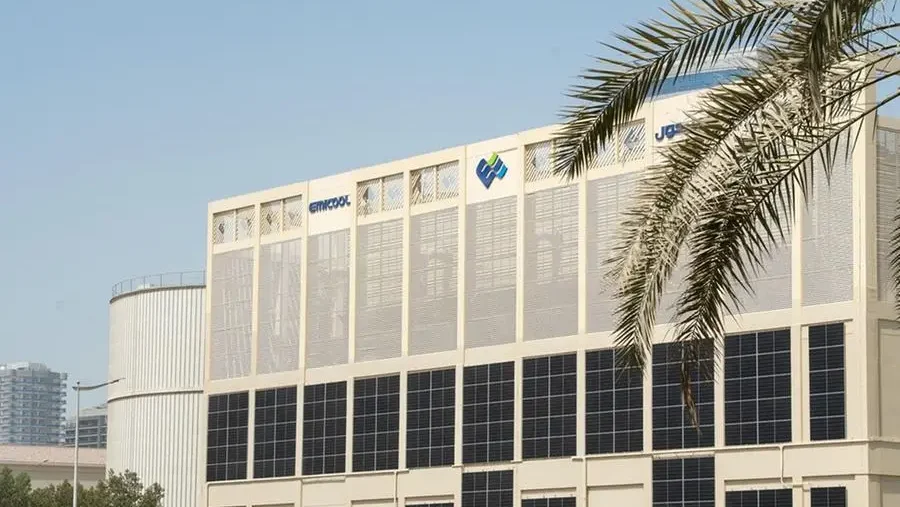
Dubai continues to strengthen its commitment to clean and renewable energy, and a major new development highlights this momentum. Emicool, one of the UAE’s leading district cooling companies, has partnered with Yellow Door Energy to commission four solar power plants with a combined capacity of 1.2 Megawatts-peak. This initiative aligns with Dubai’s broader sustainability agenda and represents a significant step toward reducing emissions while improving energy efficiency.
The collaboration follows a solar lease model, which ensures that Emicool benefits from renewable energy without the heavy investment burden typically associated with solar infrastructure. The project covers multiple locations, including Dubai Investments Park 2, Motor City, and Expo City Dubai, making it a notable contribution to the region’s clean energy landscape.
A Forward-Thinking Partnership
Emicool’s decision to partner with Yellow Door Energy reflects a shared vision of promoting cleaner and more sustainable energy solutions in the UAE. Yellow Door Energy is known for its commercial solar projects across the Middle East, and its role in financing, constructing, and operating the new solar plants makes this partnership both financially efficient and environmentally beneficial.

Under the solar lease model, Emicool avoids upfront capital costs. Instead, Yellow Door Energy handles all stages of the project’s development. This model supports companies that want to shift to renewable energy without financial constraints or technical challenges. It provides long-term stability in energy sourcing and reduces reliance on traditional grid power.
Locations and Infrastructure of the Solar Plants
The four solar installations are distributed across strategic industrial and commercial zones in Dubai. The selected sites include Dubai Investments Park 2, Motor City, and the growing district of Expo City Dubai. These areas, known for their energy-intensive operations, offer ideal locations for integrating solar energy solutions that directly reduce grid consumption.

More than 1,860 solar panels have been installed across these sites. The plants incorporate several innovative applications, such as rooftop solar systems, solar-covered parking areas, vertical facade installations, and thermal energy storage tanks. By diversifying the installation methods, the project maximizes solar energy production while efficiently utilizing available space in dense urban environments.
Understanding the Solar Lease Model
The solar lease model adopted for this project is designed to remove financial and operational barriers for businesses interested in renewable energy. Instead of paying for equipment, design, or installation, Emicool simply purchases the clean electricity generated by the solar plants over the duration of the contract.
This model is especially useful for companies that want to achieve sustainability goals but may not have the capital to invest in large-scale infrastructure. It offers predictable energy costs, minimal operational risk, and immediate environmental benefits. Yellow Door Energy manages installation, maintenance, performance monitoring, and long-term operation, making the process seamless for Emicool.
Expected Energy Output and Environmental Benefits
The four solar power plants are expected to generate around 1.5 million kilowatt-hours of clean electricity every year. This output has a meaningful impact on reducing the carbon footprint associated with district cooling operations, which traditionally require significant energy use.
By generating renewable electricity, the project is projected to cut carbon emissions by approximately 600 tonnes annually. This reduction contributes directly to Dubai’s clean energy and climate goals, particularly the targets set under the Dubai Clean Energy Strategy 2050 and the UAE’s national plan for achieving net-zero emissions by 2050.
The integration of thermal energy storage tanks enhances the system’s efficiency. These tanks store excess cooling energy, allowing Emicool to reduce peak energy consumption and optimize its cooling services throughout the day. This combination of solar power and thermal storage demonstrates a strong example of how modern technologies can work together to improve energy efficiency in a desert climate.
Boosting Dubai’s Renewable Energy Ambitions
Dubai’s leadership has consistently emphasized sustainability as a central pillar of its development strategy. The emirate has already invested in major renewable energy projects, including the Mohammed bin Rashid Al Maktoum Solar Park, one of the largest solar parks in the world. By encouraging public and private sector collaborations, Dubai aims to diversify its energy mix and significantly expand its reliance on renewable energy sources.
The Emicool and Yellow Door Energy partnership adds to this movement by showing how businesses can adopt clean energy solutions through commercially viable models. These initiatives help reduce the overall strain on the power grid, enhance operational sustainability, and contribute to the global effort to combat climate change.
Enhancing Sustainability in District Cooling
District cooling plays an important role in the UAE, where cooling requirements are essential for comfort and economic activity. Compared to traditional air-conditioning systems, district cooling uses far less energy and is considered a more environmentally friendly alternative. When solar power is integrated into district cooling operations, the benefits multiply.
By powering part of its cooling operations with solar energy, Emicool strengthens its sustainability profile and reduces long-term operating costs. The solar plants help lower the environmental impact associated with electricity consumption and contribute to a more resilient and energy-efficient cooling network.
This approach also encourages other district cooling companies to adopt renewable energy technologies and to explore similar partnerships. As sustainability expectations rise across industries, integrating renewable energy into core operations is becoming not just optional, but necessary.
A Model for Future Renewable Projects
The successful commissioning of these solar plants demonstrates a highly scalable and replicable model for renewable energy adoption. The solar lease model reduces financial barriers, making it easier for companies of all sizes to transition to clean energy. It also positions Yellow Door Energy as a key player in supporting commercial and industrial sustainability goals across the region.
Emicool’s decision to adopt this model highlights its commitment to innovation, environmental responsibility, and cost-efficient operations. The project provides a strong foundation for future collaborations and may inspire similar district cooling and industrial-scale solar projects across the UAE and beyond.
As the UAE continues to lead regional efforts in sustainability, partnerships like this will play a central role in shaping the future energy landscape. The combination of advanced cooling technologies and solar energy solutions provides a clear example of how the region can balance economic development with environmental protection.
Conclusion
The partnership between Emicool and Yellow Door Energy represents an important step in Dubai’s renewable energy journey. By commissioning four solar plants with a total capacity of 1.2MWp, the companies have demonstrated how strategic collaboration and smart financing models can accelerate the transition to clean energy.
This initiative brings significant environmental benefits, reduces carbon emissions, and supports Dubai’s long-term sustainability goals. It also showcases how renewable energy can be integrated into critical infrastructure such as district cooling. The project stands as a forward-thinking example of how businesses in the UAE can contribute to a cleaner, more efficient, and sustainable future.
Do follow UAE Stories on Instagram
Read Next – Abu Dhabi’s GSU to Launch $1 Billion Energy Projects in Yemen