The clock is ticking as UAE residents eagerly await the announcement of December 2025 petrol prices. With the month drawing to a close, motorists across the Emirates are hoping for continued relief at the pump following November’s welcome price reduction. The question on everyone’s mind is whether this downward trend will continue or if prices will climb back up as we head into the final month of the year.
The Ministry of Energy typically announces new fuel rates on the last day of each month, with changes taking effect on the first day of the following month. This means that December’s petrol and diesel prices will be revealed by the end of November and will apply from Monday, December 1, 2025.
Current Fuel Rates Across the Emirates
November 2025 brought some much-needed respite for UAE drivers after several months of steady increases. The rates currently in effect show a notable decrease across all fuel categories, offering savings that many households and businesses have been hoping for.

Super 98 petrol now stands at Dhs2.63 per litre, down from Dhs2.77 the previous month. This represents a drop of 14 fils per litre, which translates to significant savings for those with larger vehicles or longer commutes. Super 95 petrol, the most commonly used grade in the UAE, is currently priced at Dhs2.51 per litre compared to Dhs2.66 in October.
E-Plus 91 petrol has also seen a decrease, now sitting at Dhs2.44 per litre from Dhs2.58 previously. Diesel users are experiencing similar relief, with prices falling to Dhs2.67 per litre from Dhs2.71 the month before.

Understanding the Patterns Behind Price Fluctuations
Looking at the broader picture of 2025, petrol prices in the UAE have experienced considerable volatility. The year saw its peak rates in February, when Super 98 reached Dhs2.74 per litre and diesel climbed to Dhs2.82 per litre. These were the highest prices recorded throughout the entire year.
By contrast, April emerged as the most affordable month for motorists, with prices dropping to their lowest levels of 2025. Super 98 fell to Dhs2.57 per litre, while Super 95 reached Dhs2.46 per litre during that period. This represented a substantial saving compared to the February highs.
The months between May and October saw prices gradually creeping upward again, with August and September maintaining relatively stable rates before October marked another increase. November’s decrease has therefore been particularly welcome after this extended period of higher costs.
What Drives UAE Fuel Prices?
The UAE follows a market-linked fuel pricing mechanism that reflects global oil market dynamics. Unlike some countries where fuel prices are heavily subsidized or fixed by the government, the Emirates adjusts its rates monthly based on international crude oil benchmarks.
Several factors influence these price movements. Global oil production levels set by major producing nations play a crucial role in determining supply and availability. When production increases, prices typically soften, while production cuts can drive prices higher.
Geopolitical tensions and conflicts in oil-producing regions often create uncertainty in markets, leading to price volatility. Economic conditions in major consuming nations also impact demand patterns, which in turn affects pricing. Additionally, currency fluctuations, particularly the strength of the US dollar against other currencies, can influence oil prices since crude is primarily traded in dollars.
Seasonal demand patterns also play a part, with certain times of the year seeing higher consumption due to weather conditions, holiday travel, or industrial activity. The winter months often see increased demand for heating oil in colder regions, which can affect global pricing structures.
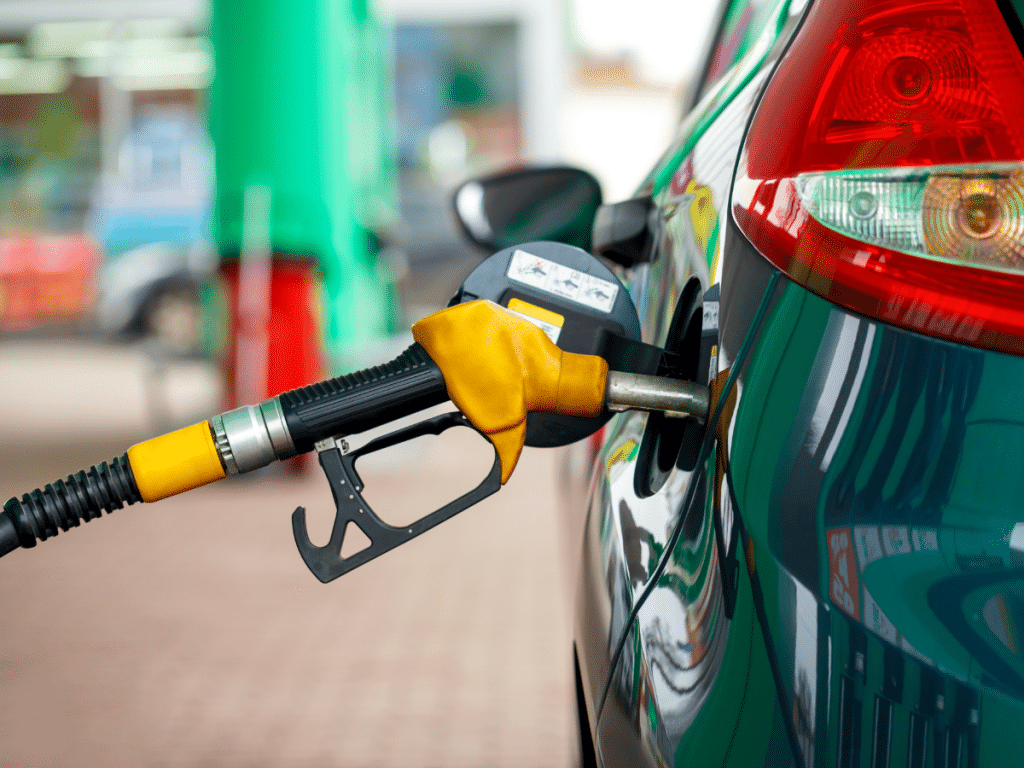
December 2025 Price Predictions
While it’s impossible to predict with absolute certainty what December will bring, several indicators suggest possible trends. Global oil markets have shown signs of stabilization in recent weeks, following a period of uncertainty earlier in the year.
The recent drop in November prices suggests that international crude benchmarks have softened, possibly due to increased production or reduced demand concerns. If these conditions persist through the end of November, there’s a reasonable chance that December could maintain current levels or potentially see slight decreases.
However, several factors could push prices in the opposite direction. Year-end demand patterns often see increased fuel consumption as businesses complete final shipments and families travel for holidays. Additionally, any unexpected geopolitical developments or production decisions by major oil-producing nations could quickly alter the pricing landscape.
Weather conditions heading into winter months can also impact heating oil demand globally, which has knock-on effects for other petroleum products. A particularly cold winter in major consuming regions could tighten global supplies and push prices upward.
Impact on Residents and Businesses
Fuel prices have a ripple effect throughout the UAE economy, touching virtually every aspect of daily life. For individual motorists, the difference of even a few fils per litre can add up to meaningful savings over time, particularly for those with longer commutes or multiple vehicles.
Businesses that rely heavily on transportation feel the impact even more acutely. Delivery services, taxi operators, logistics companies, and public transportation providers all factor fuel costs into their operating expenses. When prices rise, these businesses often face difficult decisions about whether to absorb the costs or pass them on to customers.
The tourism and hospitality sectors are also affected, as transportation costs influence everything from airport transfers to tour operations. Even industries that don’t directly consume large amounts of fuel can feel the effects through their supply chains, as transportation costs for goods and materials fluctuate with fuel prices.
Looking Ahead
As we approach the December announcement, UAE residents and businesses will be watching closely for any signs of what the new month will bring. The recent downward trend has provided welcome relief, but the volatile nature of global oil markets means that nothing is guaranteed.
Whatever December brings, the UAE’s transparent monthly pricing system ensures that fuel costs accurately reflect global market conditions. This approach, while sometimes resulting in higher prices, also means that residents benefit directly when global prices fall.
For now, motorists can enjoy the current lower rates while keeping an eye on the upcoming announcement. Whether December brings further decreases, maintains current levels, or sees prices rise again, the answer will soon be revealed as we close out 2025 and look ahead to the new year.
Do follow UAE Stories on Instagram
Read Next – Revolut Accelerates UAE Expansion as Full Banking License Approval Looms