Dubai is working to build the next generation of air travel, and a new collaboration between Dubai Air Navigation Services, Emirates Airline and Thales aims to take this vision even further. The three organisations have signed a Collaborative Research Agreement designed to explore solutions that minimise holding patterns at Dubai International Airport and improve the efficiency of the entire UAE airspace. This move signals a major step toward smarter aviation, reduced emissions and seamless passenger experiences.
The partnership focuses heavily on advanced AI technologies that can predict congestion, streamline arrivals and optimise coordination between airlines and air traffic controllers. As Dubai continues to grow as one of the world’s busiest aviation hubs, this research comes at a critical time, ensuring that the future of air travel is not only smooth but also sustainable.
Why Holding Patterns Matter in Modern Aviation
Holding patterns have long been a fundamental part of safe air navigation. When an airport faces heavy traffic or runway congestion, incoming aircraft are guided into carefully designed racetrack-shaped loops at specific altitudes. These patterns help pilots maintain safe separation, avoid conflicts and ensure an organised sequence for landings.

Although essential for safety, holding patterns come with challenges. The longer an aircraft remains in the air waiting to land, the more fuel it burns. This leads to higher operational costs for airlines, longer flight times for passengers, and increased carbon emissions in local airspace.
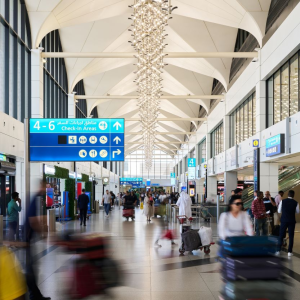
With Dubai International being one of the world’s busiest airports for international passengers, even a small reduction in holding times can create a major impact across efficiency, sustainability and customer experience. The new research agreement focuses on unlocking these improvements.

A Collaborative Effort for a Smarter Airspace
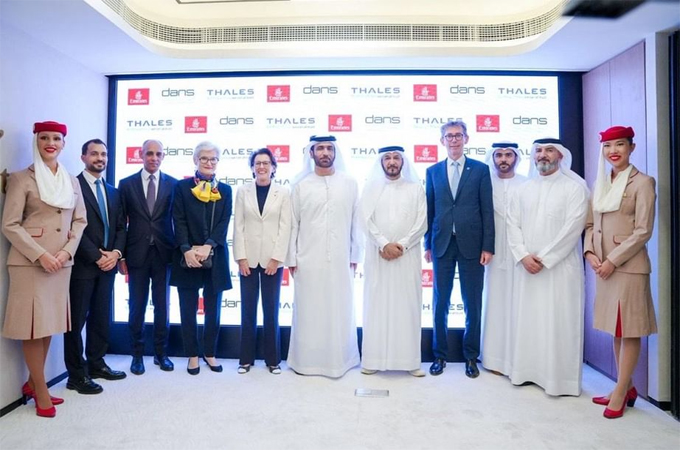
The partnership between DANS, Emirates and Thales brings together three major aviation entities with complementary strengths. Each organisation contributes deep expertise that enables the project to be both technologically advanced and operationally practical.
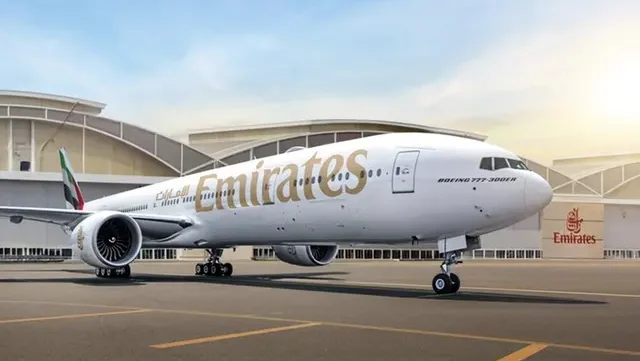
DANS holds responsibility for air navigation services in Dubai, making it central to air traffic management operations. Emirates brings the operational insights of one of the world’s largest airlines, offering real-time understanding of flight patterns, passenger demands and operational challenges. Thales contributes leading global experience in aviation technology, AI systems and data-driven optimisation tools.
Together, they aim to develop research-driven solutions that reimagine the way air traffic flow is managed, reducing bottlenecks and improving the timing of arrivals.
The Role of AI in Transforming Air Traffic Management
Artificial intelligence is expected to be the heart of this collaborative research. AI has become increasingly important in modern aviation, especially in predicting traffic, identifying operational risks and enabling more precise planning.
For this project, AI systems will be used to analyse large amounts of flight and airspace data. The technology can identify patterns that may not be obvious to human controllers, giving early warnings about potential congestion and suggesting alternative strategies. This allows air traffic controllers to take proactive measures instead of reactive ones.
For instance, AI-powered tools can recommend adjustments to arrival sequencing, altitude management or timing. Airlines can also use this information to plan better flight paths, reduce delays and ensure smoother operations across the network.
The goal is to create a more predictable environment that helps reduce unexpected holding patterns and makes air travel more reliable.
Supporting the UAE’s Sustainability Vision
The UAE has set ambitious goals to reach Net Zero by 2050. Reducing unnecessary fuel burn in aviation is a crucial part of this mission. Holding patterns contribute to fuel consumption that could otherwise be avoided with smarter planning.
By focusing on reducing these patterns, the collaboration directly supports national sustainability objectives. Even a marginal improvement can save millions of liters of fuel annually across thousands of flights. In turn, this reduces carbon emissions and helps the aviation industry transition to more environmentally responsible operations.
Dubai’s commitment to future-ready travel aligns with its broader strategy to become a global leader in advanced mobility, sustainability and digital transformation.
Enhancing Efficiency Across the Entire Airspace Network
One of the most significant benefits of this agreement is that it aims to improve not just the arrival phase but the entire journey through UAE airspace. Air traffic management is a complex ecosystem where decisions at one stage affect others. By studying all phases of flight and integrating AI tools, the partners hope to create a more unified, coordinated system.
Key areas of improvement include:
Smooth arrival sequencing
Enhanced runway utilisation
Reduced delays due to unpredictable traffic flow
Better coordination between pilots and air traffic control
Improved predictability for airlines and passengers
The research outcomes could eventually be applied to other airports and airspace systems in the region, elevating the overall quality and efficiency of Gulf aviation.
Building the Future of Dubai’s Aviation Ecosystem
Dubai is already a world leader in aviation, both in passenger traffic and global connectivity. But the emirate continues to push forward, aiming to redefine what modern air travel should look like. This new partnership is part of a broader vision that involves innovation, collaboration and technology-led transformation.
By integrating advanced AI technologies, the project showcases Dubai’s commitment to shaping the future of aviation. It also underlines the importance of partnerships between government entities, airlines and technology providers. Together, they can create solutions that drive performance and sustainability at a global scale.
Expected Impact on Passengers and Airlines
Although the research is in its early stages, the long-term benefits for passengers and airlines could be significant. Shorter holding times mean quicker arrivals, fewer delays and more consistent schedules. Airlines benefit from reduced fuel costs, improved operational predictability and smoother coordination with air traffic control.
Passengers will eventually notice shorter flight durations, more on-time arrivals and an improved travel experience overall. These are important factors that influence customer satisfaction and loyalty, especially in global hubs like Dubai where millions of travelers pass through each year.
A Major Step Toward A Connected and Intelligent Aviation Future
The Collaborative Research Agreement between DANS, Emirates and Thales represents an important milestone for the UAE’s aviation sector. It reflects a growing emphasis on smarter airspace management, sustainability, and efficiency. With AI at the core of the project, the partnership aims to redefine how flights approach, prepare and land at one of the world’s busiest airports.
By minimising holding patterns and enhancing predictability, this research lays the foundation for a more efficient, sustainable and technologically advanced future in aviation. Dubai continues to set an example for global aviation by investing in innovation and building systems designed to meet the demands of tomorrow’s skies.
Do follow UAE Stories on Instagram
Read Next – Kai Beach: A Luxurious Coastal Escape on Saadiyat Island