

Abu Dhabi is preparing to enter a new era in aviation as it aims to become a global hub for autonomous air transport. The growing interest in unmanned aircraft, air taxis, automated logistics, and advanced mobility systems has encouraged the emirate to invest in future technologies that can transform the way people and goods move. A major step in this direction is the partnership between SkyGrid and High Lander, two international leaders in advanced air mobility and drone traffic management. Their new Memorandum of Understanding announced at the Dubai Airshow 2025 marks the beginning of an integrated air mobility ecosystem that could set new global standards.
The collaboration is designed to accelerate the development of next-generation air transport in the UAE capital. It focuses on building a safe, scalable and fully automated environment where drones and autonomous aircraft can operate smoothly within urban and regional airspace. With its ambitious vision, strong regulatory framework and world-class infrastructure, Abu Dhabi is positioning itself at the center of the future aviation revolution.
A Strategic Vision for Air Mobility
Abu Dhabi has always seen innovation as a key part of its long-term development. The decision to invest in autonomous air mobility aligns with the emirate’s commitment to modernise transportation, attract advanced industries, and support sustainable growth. Instead of introducing small-scale drone operations, Abu Dhabi aims to build a complete ecosystem that supports air taxis, automated deliveries, emergency response drones and intelligent traffic monitoring.

The government’s long-term aviation strategy focuses on integrating autonomous flight systems with smart-city infrastructure. This includes digital mapping, real-time airspace monitoring, remote pilot training, and the establishment of new vertiports for passenger and cargo air taxis. The SkyGrid–High Lander partnership brings the necessary expertise to transform these plans into practical applications.
SkyGrid’s Role in Next-Generation Aviation
SkyGrid is internationally recognised for its advanced technology in autonomous air mobility. As a Third-Party Service Provider, the company specialises in integrating artificial intelligence, secure data platforms, and automated flight-management systems. Their technology is designed to support large numbers of autonomous aircraft operating safely at the same time.

AI-Powered Flight Routing
SkyGrid’s system uses real-time data, weather analysis, terrain mapping and predictive algorithms to guide drones and air taxis along safe and efficient routes. The goal is to reduce delays, prevent air conflicts and create predictable traffic patterns.
Safety and Collision Avoidance
One of SkyGrid’s strengths is its safety framework. The platform monitors every aircraft in the system, predicts possible risks and automatically adjusts flight paths to avoid collisions. This level of automation allows air mobility to scale without compromising safety.
Fleet Monitoring and Control
SkyGrid gives operators access to real-time dashboards that display the status, location and performance of each aircraft. This ensures that fleets remain fully coordinated and efficient, even during peak activity.
High Lander’s Expertise in Traffic Management
High Lander brings another crucial element to the partnership: the ability to manage large-scale drone traffic systems. The company specialises in UAS Traffic Management and drone fleet control, offering tools that align with aviation regulations and smart-city networks.
Scalable UTM System
High Lander’s traffic-management platforms are designed to support thousands of flights at once. They ensure that every drone or autonomous aircraft is visible to authorities, properly authorised and operating within approved flight corridors.
Urban Integration
High Lander’s systems can connect with local infrastructure such as emergency services, logistics hubs, security systems and municipal operations. This helps ensure that autonomous air transport becomes part of everyday city life rather than a separate system.
Complete Fleet Automation
Their fleet-management technology allows companies and government agencies to automate mission planning, emergency deployment, maintenance scheduling and operational reporting. This makes drone services more reliable and easier to scale.
Why Abu Dhabi Is the Ideal Global Base
Abu Dhabi offers a unique combination of geographic advantage, modern infrastructure and government support that makes it a leading candidate for global autonomous air mobility.
Supportive Regulations
A major factor in Abu Dhabi’s rise is its willingness to establish clear regulations for drone operations and air taxis. The city’s aviation authorities work closely with technology providers to ensure safety while encouraging innovation.
Advanced Infrastructure
Abu Dhabi already has highly developed smart-city systems, digital connectivity, modern airports and logistics centers. These create the perfect foundation for autonomous air mobility to grow.
Innovation Ecosystem
With universities, research hubs, global companies and government-backed initiatives, the city has become a magnet for new technology development. The SkyGrid–High Lander collaboration adds to this growing ecosystem.
Strategic Global Location
Abu Dhabi’s position between major international markets makes it an ideal testing ground for advanced air mobility solutions that can later be expanded to other regions.
Building a Complete Autonomous Air Mobility Ecosystem
The partnership aims to build a system where drones and autonomous aircraft operate seamlessly. This involves creating physical infrastructure, digital frameworks and operational guidelines.
Development of Sky Corridors
Designated flight corridors will be created across the city and surrounding areas. These pathways will be monitored by automated systems to maintain safety and efficiency.
Establishment of Vertiports
Vertiports will be built to support air taxis, cargo drones and rapid-response vehicles. These hubs will include passenger facilities, charging areas and maintenance zones.
Autonomous Deliveries
The new ecosystem will enable fast, safe and cost-effective drone deliveries for e-commerce, food, medical supplies and industrial logistics. This reduces road congestion and speeds up service times.
Emergency and Public Safety Services
Drones equipped for emergency response can be dispatched within seconds. They can analyse accident scenes, deliver critical medical items or support search-and-rescue operations.
Urban Transport Enhancement
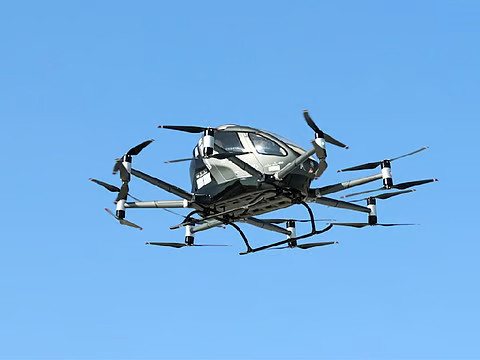
As air taxis become more common, they will offer faster alternatives to traditional road transport. This helps reduce urban traffic and supports the city’s sustainability goals.
Social and Economic Benefits for Abu Dhabi
The rise of autonomous air mobility will contribute significantly to economic diversification and social development.
Job Creation
New roles will emerge in engineering, AI development, aircraft maintenance, UTM operations, data analysis, and regulatory compliance. The ecosystem will also encourage local talent to specialise in aviation technology.
Boost to Tourism and Global Reputation
A city offering air taxis and advanced drone services stands out as a global innovation leader. Tourists and investors will be attracted to a city that represents the future of mobility.
Improved Quality of Life
Residents will benefit from faster travel options, improved emergency services and more efficient deliveries.
Support for Sustainability
Autonomous electric aircraft contribute to reducing carbon emissions and complement the city’s long-term environmental objectives.
Shaping the Future of Global Aviation
The SkyGrid–High Lander partnership is a major milestone not only for Abu Dhabi but for the entire aviation industry. The technologies being developed in the UAE capital will shape how other countries design their own air mobility systems. As autonomous aircraft become more common, cities will look to Abu Dhabi’s model as a guiding example.
The new ecosystem shows how innovation, regulation and advanced technology can work together to build a safer, cleaner and more efficient transportation future.
Conclusion
Abu Dhabi’s commitment to becoming a global hub for autonomous air transport is both ambitious and achievable. With a strong vision, supportive leadership and partnerships with global technology specialists, the city is building an aviation system that will transform the way people and goods move. The collaboration between SkyGrid and High Lander is the first major step toward a fully autonomous air mobility future. As the ecosystem develops, Abu Dhabi is set to become a world leader in next-generation aviation.
Do follow UAE Stories on Instagram
Read Next – Dubai Truck Ban Cuts Traffic Incidents and Speeds Up Journeys