
Dubai truck ban measures have reshaped one of the busiest highways in the city by reducing accidents, improving traffic speed and creating a safer daily travel experience. The expanded restrictions on Emirates Road, introduced by Dubai’s Roads and Transport Authority in coordination with Dubai Police, have quickly shown measurable improvements. With fewer heavy vehicles occupying peak-hour traffic, commuters are now experiencing smoother road conditions and more predictable journey times.
The success of these measures reflects Dubai’s long-term commitment to building a smart, safe, and highly efficient mobility network. With its growing population and expanding logistics sector, the city continues to look for ways to balance economic growth with the everyday needs of its residents and businesses.
Why the Truck Restrictions Were Expanded
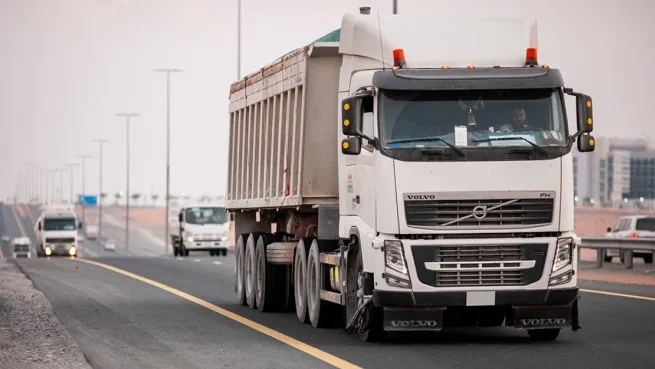
Emirates Road is a vital highway linking several major communities, industrial hubs and commercial centres across the UAE. It carries millions of vehicles every week, including a large number of heavy trucks that move goods throughout Dubai and to neighbouring emirates. While these trucks are essential for the economy, their presence during peak traffic hours often contributes to slowdowns and increased risk of incidents.

The updated rules restrict heavy vehicles from using certain parts of Emirates Road during the busiest periods of the morning and evening. The goal was simple: reduce the number of large, slow-moving vehicles during peak times to create a more predictable and safer driving environment. Authorities studied traffic patterns extensively before adjusting the truck movement schedule, ensuring the new plan was based on real data and everyday road behaviour.
Significant Decline in Traffic Incidents
One of the clearest outcomes of the expanded restrictions is a notable reduction in traffic incidents. When heavy trucks are present alongside fast-moving car traffic during busy hours, the risk of accidents naturally increases. These large vehicles need more time to brake, take longer to accelerate and often block visibility for smaller cars.

By limiting truck access during peak times, the roads became more organised and easier to navigate. Drivers could maintain a steady pace without sudden obstacles or unexpected slowdowns caused by heavy vehicle movement. This reduction in unpredictable interactions between cars and trucks is one of the main reasons for the drop in incidents.
For everyday commuters, this change means fewer delays, fewer dangerous situations and a much calmer journey. For emergency services, it represents fewer disruptions and quicker response times across key routes.
Faster Travel Speeds for Commuters
Along with fewer incidents, travel speeds on Emirates Road have increased. With fewer trucks occupying multiple lanes or slowing down the flow of traffic, cars are able to maintain consistent movement even during rush hours. This leads to shorter travel times and a smoother driving experience overall.
For thousands of residents who travel between Dubai, Sharjah and other emirates, these time savings are meaningful. Even a small improvement in average speed can add up to hours saved every week. Businesses also benefit, as employees arrive more reliably and logistics operations face fewer unexpected delays.
Above all, the improved traffic speed supports Dubai’s wider goal of reducing congestion and improving the overall efficiency of its mobility system.
Smoother Flow at Key Intersections
Intersections are often the most sensitive points on a highway, where delays can quickly spread across the entire route. Heavy trucks moving slowly through intersections or occupying multiple lanes can create bottlenecks that last long after they pass. Since the updated truck restrictions began, several major junctions along Emirates Road now experience smoother and faster clearance during peak times.
Drivers have noticed that queues at intersections shorten more quickly, and traffic lights function more effectively when lanes are not blocked by large vehicles. This has reduced tailbacks, made lane changes easier and improved overall road discipline during the busiest hours of the day.
Supporting Dubai’s Long-Term Mobility Vision
Dubai has invested heavily in creating a world-class transport network, and the new truck restrictions fit into a broader mobility strategy. Reducing congestion and improving safety are key objectives in the city’s vision for smart urban development. Through data-driven policies like these, Dubai continues to show how proactive planning can enhance daily life for residents and businesses.
The success of this initiative may also encourage authorities to explore similar measures on other major roads where congestion is heavily influenced by the presence of heavy vehicles. The positive outcomes serve as a model for future traffic planning, reinforcing Dubai’s leadership in smart transportation solutions.
How Logistics Companies Are Adapting
Although the rules primarily target peak-hour congestion, logistics companies have also made adjustments to comply with the new schedule. Many have shifted delivery timelines, reorganised routes or increased off-peak operations to ensure consistent movement of goods without violating restrictions.
Initially, this required some operational changes, but most transport companies have adapted quickly. The benefits for them are also significant. With fewer road incidents and smoother off-peak travel, truck drivers face safer driving conditions and more consistent travel times. Reduced congestion also lowers fuel consumption, which can decrease operating costs over time.
The logistics sector in Dubai is flexible and advanced, and these regulations reflect a balanced approach between economic growth and community benefit.
Reduced Stress for Drivers
For many drivers, sharing the road with heavy trucks can be stressful, especially when traffic is dense and fast-paced. The reduced presence of these vehicles during peak periods has noticeably lowered stress levels for commuters. Drivers now experience fewer sudden slowdowns, fewer lane blockages and a more controlled pace of traffic.
This improved driving environment promotes better behaviour behind the wheel. Smoother journeys mean less irritation, fewer aggressive manoeuvres and a more relaxed mindset while driving. Over time, this contributes to safer roads and a more positive commuting culture across the city.
Building a Smarter and Safer Future
Dubai constantly seeks innovative ways to enhance mobility. From digital traffic monitoring systems to smart road designs and advanced enforcement technologies, the city is shaping a transport future that is efficient, sustainable and reliable. The updated truck restrictions demonstrate how targeted policy changes can produce large improvements without major construction or infrastructure expansion.
By managing road usage more intelligently, Dubai is setting new standards for urban mobility in the region. The improvements seen on Emirates Road reinforce the value of combining smart regulation with modern traffic management tools.
Conclusion
The expanded truck restrictions on Emirates Road have already shown strong results. Fewer traffic incidents, faster travel speeds and smoother intersections have created a safer and more efficient experience for commuters across Dubai. This initiative highlights the impact of strategic planning in improving day-to-day life in a fast-growing city.
Residents benefit from quicker, calmer journeys. Businesses benefit from more predictable logistics. Dubai benefits by moving closer to its long-term mobility vision. As the city continues evolving, initiatives like these demonstrate how thoughtful policies can drive meaningful progress on its roads.
Do follow UAE Stories on Instagram
Read Next – Drone Delivery to Cover 70% of Dubai by 2030, Says Keeta Drone President