
Nikken Sekkei Dubai, the regional branch of the renowned Japanese architectural and urban design firm, made an impressive debut at Dubai Design Week with Chatai, a pop-up installation that celebrated Japanese culture, craftsmanship, and community. The installation offered visitors a serene and immersive experience, combining traditional aesthetics with contemporary design approaches.
A Fusion of Tradition and Modernity
Chatai was conceived by Nikken Sekkei Dubai and realized with the support of SOBOKUYA, a Japanese fabricator, and Abjad Design, an Emirati graphic studio. The installation merged Japanese tradition with modern design, creating a space that encouraged interaction, learning, and reflection.
Dr. Fadi Jabri, CEO of Nikken Sekkei Dubai, described Chatai as more than an exhibition. He said it was a space where visitors of all ages could engage with culture, creativity, and community. The installation provided a human-scale experience where visitors could pause, enjoy the environment, and feel inspired. Chatai was considered one of the highlights of Dubai Design Week 2025, offering a calm and contemplative retreat amid the lively event.

Celebrating Craftsmanship and Culture
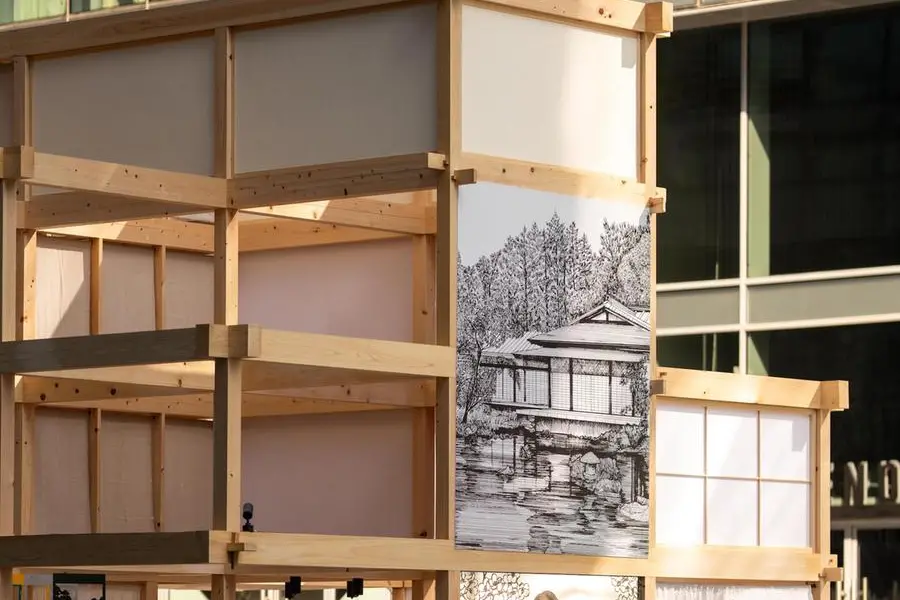
Chatai showcased Japanese timber craftsmanship at its finest. Visitors were drawn to the meticulous construction of the wooden structure and were invited to engage with ceremonial elements, such as tea rituals and artistic demonstrations. The installation was designed as a poetic reinterpretation of the traditional Chashitsu, or tea rooms, and Yatai, the Japanese pop-up stalls. This blend of tradition and contemporary design created a space that was both playful and reflective.
Many attendees described Chatai as a peaceful retreat, a place to slow down and absorb the beauty of the design, providing a moment of stillness amid the busy exhibition. The installation allowed visitors to appreciate the careful balance of aesthetics, functionality, and cultural storytelling, offering an experience that went beyond visual appeal.

Recognition by Japanese Diplomacy
Jun Imanishi, the Consul-General of Japan in Dubai, highlighted the installation’s importance as a symbol of Japan’s cultural presence in the Middle East. Chatai was the only Japanese timber structure at Dubai Design Week 2025, making it a unique cultural ambassador.
The installation also received attention from Her Highness Sheikha Latifa bint Mohammed bin Rashid Al Maktoum, Chairperson of Dubai Culture and Arts Authority. This recognition emphasized Chatai’s role in fostering cultural exchange and celebrating the craftsmanship and traditions of Japan in a modern and international context.
Collaborative Efforts
The success of Chatai was supported by a wide range of collaborators, including Panasonic Electric Works UAE, Dai Nippon Printing, Hiroshima Jozai, Ikebana International, and Nakawake Shohei, a master calligrapher. Each partner contributed to the multi-dimensional experience, from technological enhancements to artistic elements, ensuring that visitors could engage with the installation on multiple sensory levels.
Chatai demonstrated the power of collaboration, blending Japanese tradition with local innovation. It offered an inclusive space where craftsmanship, creativity, and design thinking came together to create a meaningful experience for all visitors.
A Space for Learning and Interaction
Chatai was designed to be interactive, giving visitors the opportunity to learn about Japanese culture through hands-on engagement. Guests could participate in tea ceremonies, observe calligraphy demonstrations, and explore the architecture and aesthetics of the space.
The installation emphasized learning through experience, allowing visitors to absorb the subtle details and underlying philosophy behind each design element. By combining education with immersive design, Chatai offered a unique opportunity for visitors to understand and appreciate Japanese cultural practices in a modern setting.
Future Vision of Nikken Sekkei in the Middle East
Nikken Sekkei continues to play an influential role in shaping urban development in the Middle East. The firm is committed to supporting regional visions through innovative design, digital tools, and sustainable practices. Its projects are designed to blend cultural sensitivity with modern functionality, contributing to the creation of future-ready cities.
Prominent regional projects include One Za’abeel in Dubai and Tadawul Tower in Riyadh, both of which reflect the firm’s approach to innovation and context-sensitive design. Through Chatai, Nikken Sekkei extended this vision into experiential design, providing cultural insight alongside architectural expertise.
About Nikken Sekkei
Nikken Sekkei is an international collective of architects, designers, and engineers with over 120 years of experience. The company employs more than 3,100 professionals across 11 offices worldwide, delivering projects ranging from urban masterplans and mixed-use developments to offices, hotels, and cultural facilities. Its work emphasizes human-centric design, timeless aesthetics, and sustainability.
About Nikken Sekkei Dubai
Operating in the Middle East for over 35 years, Nikken Sekkei Dubai blends Japanese design philosophy with local knowledge. The office has a team representing over 20 nationalities and has contributed to iconic projects, including hybrid steel-wood structures and biophilic designs that integrate nature into urban environments. The firm emphasizes collaboration, technical leadership, and nurturing local talent, driving innovation and meaningful change in the built environment.
Chatai: More Than an Installation
Chatai at Dubai Design Week was a demonstration of how design can unite, educate, and inspire. The installation offered visitors a chance to engage deeply with Japanese culture while experiencing a space that balanced tradition with contemporary creativity.
Visitors left Chatai with an appreciation for craftsmanship, a sense of calm, and a deeper understanding of cultural exchange. The installation stood as a reminder that design can be a tool for connection, reflection, and inspiration, resonating far beyond the exhibition walls.
Do follow UAE Stories on Instagram
Read Next – UAE University Admissions Hit Record High This Academic Year