

Fanaticism is a powerful force that influences many people’s beliefs and actions. It means having an extreme or obsessive attachment to an idea, belief, or cause. But why do some people become so fixed on their beliefs that they refuse to change even when faced with facts that challenge them? A recent brain study on fanaticism reveals that this may happen because the brain’s ability to control thoughts and emotions called cognitive control does not work properly in fanatic individuals.
Understanding how cognitive control breaks down in fanaticism can help us learn why some people become so rigid in their views and what might be done to help.
What Is Fanaticism
Fanaticism goes beyond simply caring deeply about something. It is an extreme dedication that often leads to intolerance of other ideas. People who are fanatics tend to reject any information that goes against their beliefs. They may also act aggressively toward those with different opinions. This rigid way of thinking can harm both individuals and society.

Fanaticism can appear in many areas such as religion, politics, or social causes. While strong beliefs are a natural part of being human, fanaticism pushes these beliefs to a harmful extreme making it hard for people to listen, understand, or change.
What Is Cognitive Control
Cognitive control is the brain’s way of managing how we think, feel, and act. It helps us focus, solve problems, and control impulses. For example, it lets us stop and think before reacting or consider other points of view.

This control comes from parts of the brain like the prefrontal cortex which acts like a manager guiding our decisions. When cognitive control works well, we can be open-minded and adjust our beliefs based on new information. But when it weakens, we may become stubborn, react emotionally, or ignore facts.
How Does Cognitive Control Fail in Fanaticism
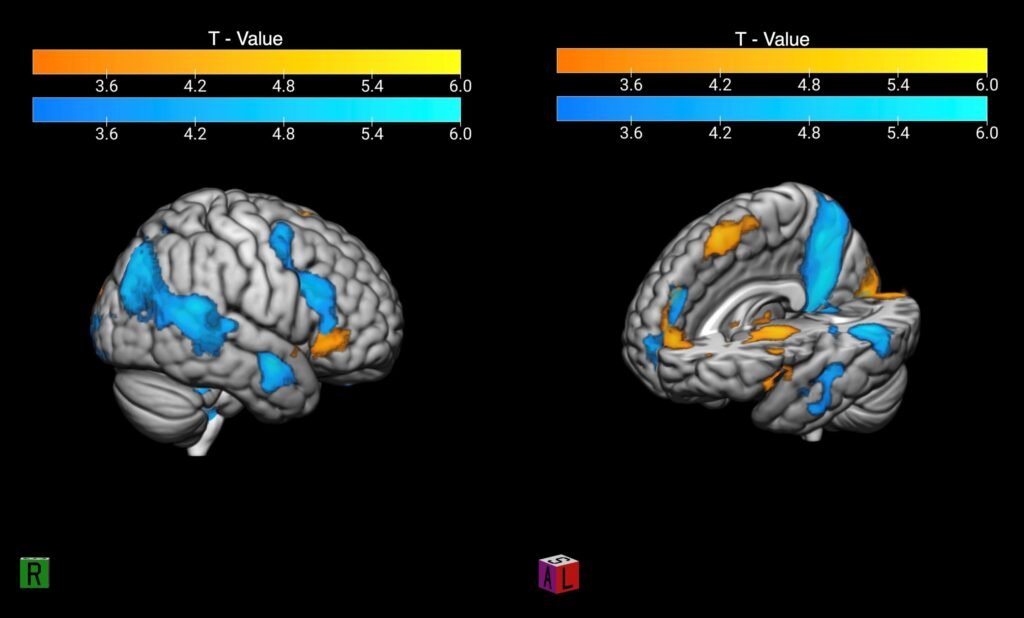
The brain study on fanaticism looked at how people’s brains respond when their strongly held beliefs are challenged. Using brain scans, researchers found that in fanatic individuals:
- The parts of the brain responsible for cognitive control were less active. This means these individuals had a harder time managing their thoughts and emotions when faced with opposing views.
- At the same time, the emotional centers of the brain were more active showing strong emotional reactions to ideas that did not match their beliefs.
- These brain patterns made it difficult for fanatics to update their beliefs or accept new information.
Simply put, the brain struggles to balance emotion and logic. The emotional side takes over and the ability to think flexibly gets weaker.
Why Does This Happen
Several reasons can explain why cognitive control fails in fanaticism:
- Emotional Attachment: When beliefs become part of someone’s identity or provide emotional comfort, the brain defends them strongly.
- Group Influence: Being part of a group that shares the same extreme beliefs can reinforce rigid thinking and discourage questioning.
- Stress and Anxiety: High levels of stress make it harder for the brain to function at its best reducing cognitive control.
- Brain Differences: Some people may naturally have weaker cognitive control or stronger emotional responses.
Why Does This Matter
Understanding the brain’s role in fanaticism helps us see that extreme beliefs are not just about personal choices or ignorance they also involve how our brains handle emotions and thoughts. This knowledge is important for finding ways to reduce fanaticism and promote more open thinking.
How Can Cognitive Control Be Improved
Even if cognitive control is weaker in some people, it is not fixed. There are ways to strengthen it which may help reduce fanatic behavior:
- Mindfulness and Meditation: These practices help improve attention and emotional regulation allowing people to pause before reacting.
- Learning Critical Thinking: Training to analyze information carefully encourages mental flexibility.
- Managing Stress: Exercise, good sleep, and relaxation techniques help the brain work better.
- Exposure to Different Views: Engaging with people who have different beliefs can reduce fear and build tolerance.
These strategies encourage the brain to balance emotion and reason better making it easier to consider new ideas and avoid rigid thinking.
Fanaticism and Society
Fanaticism does not only affect individuals. It can create division, conflict, and even violence in communities and countries. By understanding how fanaticism works in the brain, society can develop better ways to address it.
Programs that promote education, mental health, and open dialogue are important. When people feel safe to express and hear different views without fear, their brains may become more flexible. This can reduce the power of fanaticism and help create more peaceful and tolerant communities.
Final Thoughts
The brain study on fanaticism highlights that fanatic beliefs are tied to how our brains manage cognitive control and emotions. When control weakens, emotions can take over making people resistant to change.
But there is hope. Through mindful practices, education, and social support, we can strengthen cognitive control. This makes it easier to stay open-minded and less likely to become trapped in extreme, rigid beliefs.
Fanaticism is a complex issue rooted in brain function but it is not unchangeable. With effort and understanding, we can build a world where people think more freely and respect differences.
Do follow UAE Stories on Instagram
Read Next – Majid Al Futtaim Holding Tightens $500 Million Bond Pricing