Dubai is known for pushing the boundaries of urban innovation and infrastructure. The city has always embraced ambitious projects, from towering skyscrapers to futuristic transport systems. The latest development, the Future Loop, promises to transform the way people move around the city, making walking a comfortable and practical choice throughout the year.
A Vision for Comfortable Year-Round Walking
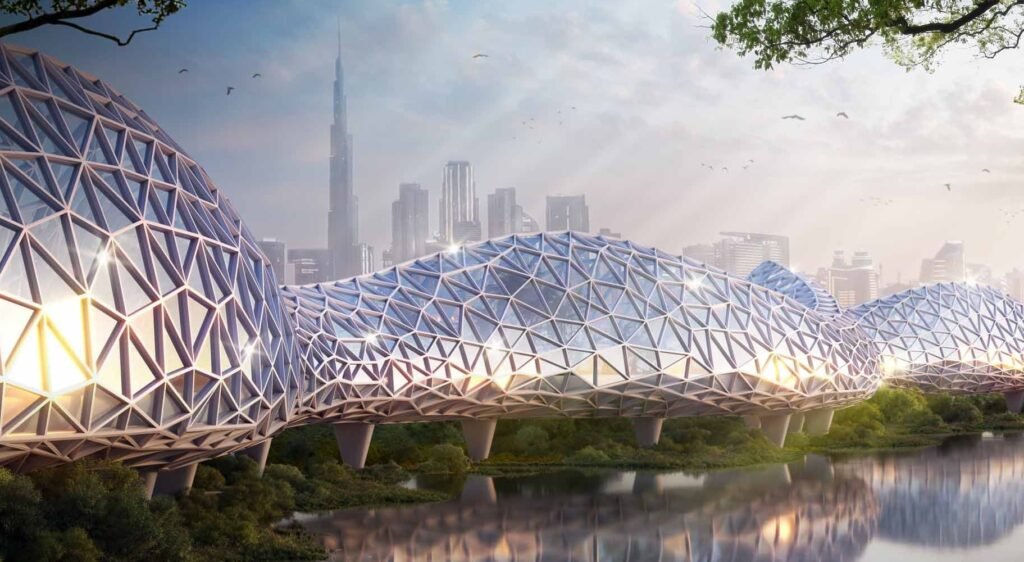
The Future Loop is designed to provide a climate-controlled walking experience, addressing the challenge of Dubai’s hot climate. For years, walking long distances in the city has been uncomfortable, especially during the summer months. This project changes that by creating an elevated pathway that allows pedestrians to move around comfortably, regardless of the temperature outside.
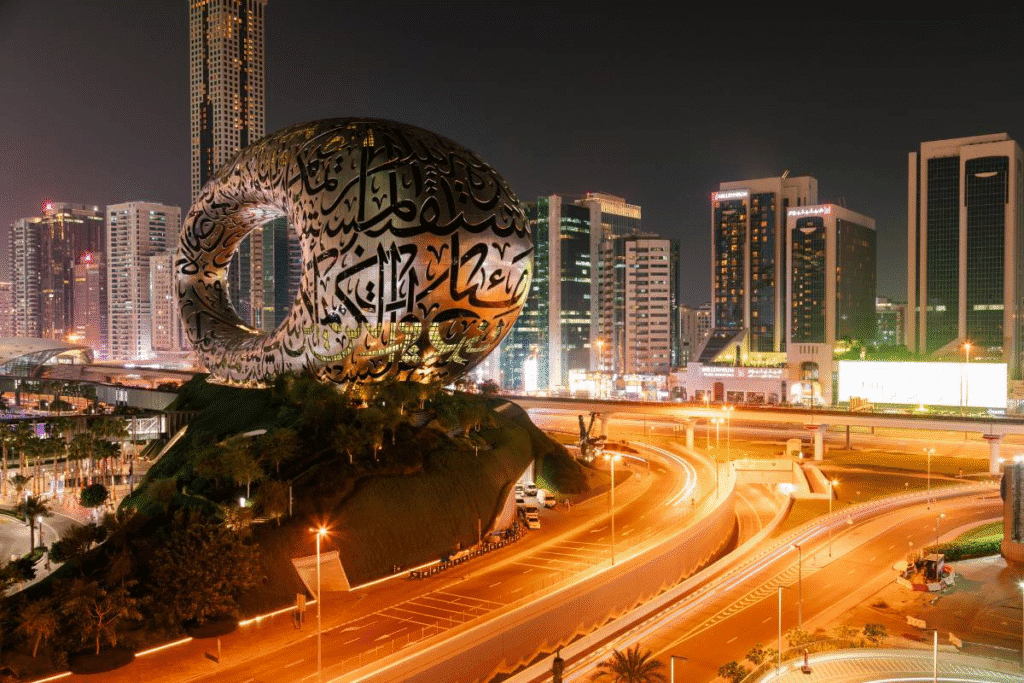
The project will include a 2-kilometer bridge near the Museum of the Future, designed to complement the city’s architectural style while providing a functional pedestrian route. The bridge is not only a practical addition to the cityscape but also a new landmark that enhances Dubai’s reputation for innovative urban design.

Connecting Key Landmarks
The Future Loop will link ten major locations, including the Dubai World Trade Centre, Museum of the Future, Emirates Towers, DIFC, and nearby Metro stations. This network creates a seamless connection between key business, cultural, and transportation hubs, making it easier for people to navigate the city on foot.
By connecting these important destinations, the project encourages walking as a preferred mode of transport. Residents and visitors will have more freedom to move without relying solely on vehicles, helping to reduce traffic congestion and support healthier lifestyles.

Climate-Controlled Pathways and Open Spaces
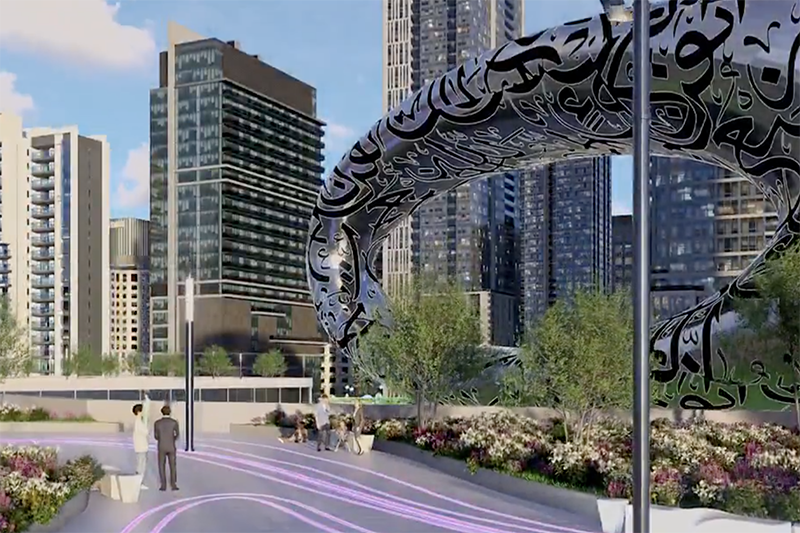
The Future Loop will feature 30,000 square meters of air-conditioned walking space, allowing pedestrians to stroll comfortably throughout the year. In addition, 30,000 square meters of open space will include landscaped areas and shaded structures. These open areas are designed to naturally lower temperatures, creating a pleasant outdoor environment for walking and relaxation.
The combination of climate-controlled pathways and open, shaded areas ensures that pedestrians can enjoy both comfort and natural surroundings. This design approach balances modern convenience with the benefits of outdoor experiences.
Integration with the Dubai Walk Master Plan
The Future Loop is part of the larger Dubai Walk Master Plan, which aims to transform Dubai into a walkable city. By 2040, the plan will introduce 3,300 kilometers of new pedestrian routes and improve over 2,300 kilometers of existing pathways.
The master plan also includes the construction of 110 pedestrian bridges and tunnels, making it easier to move between neighborhoods. The goal is to increase the share of pedestrian and individual mobility from 13 percent today to 25 percent by 2040. These efforts reflect Dubai’s commitment to creating an urban environment that prioritizes walking and sustainable transport.
Ground-Level Improvements
In addition to the elevated pathways, the Future Loop will bring significant changes to the areas surrounding it. Key roads, including the Trade Centre Roundabout and Al Mustaqbal Street, will be redesigned to improve traffic flow and enhance pedestrian safety.
The project will include 6,200 meters of vehicle bridges and tunnels, transforming the roundabout into a surface-level intersection. These improvements are expected to benefit around 500,000 residents and visitors, making it easier to navigate the city while maintaining safe pedestrian access.
A Network Spanning the City
The Dubai Walk Master Plan, including the Future Loop, will cover a network spanning 6,500 meters, connecting neighborhoods from Al Fahidi to Dubai Marina. These interconnected pathways will provide safe, comfortable, and accessible routes for walking throughout the city.
By linking business districts, cultural hubs, and recreational areas, the project promotes a sense of community and allows residents and visitors to explore Dubai on foot. The network emphasizes convenience, safety, and comfort for all pedestrians.
Supporting Sustainability and Health
Encouraging walking has clear environmental and health benefits. Reduced vehicle use lowers carbon emissions and air pollution, while promoting physical activity improves public health. The Future Loop contributes to a more sustainable city by offering a pedestrian-friendly alternative to short car trips and enhancing the overall quality of urban life.
The shaded open spaces and climate-controlled paths also help to cool surrounding areas, reducing the impact of heat in the city and creating more comfortable microclimates.
Enhancing Urban Life
Pedestrian-friendly infrastructure enhances the social and cultural life of a city. Walking encourages interaction, makes public spaces more vibrant, and improves accessibility to amenities and landmarks. The Future Loop is designed with pedestrian comfort in mind, offering a safe and enjoyable way to move through Dubai.
By connecting business, cultural, and recreational areas, the project provides opportunities for social engagement and community building. It transforms walking from a necessity into a preferred choice for commuting, leisure, and exploration.
Combining Design and Functionality
The Future Loop demonstrates Dubai’s focus on combining architectural excellence with practical urban solutions. The elevated bridge around the Museum of the Future serves both aesthetic and functional purposes, offering a visually striking landmark while providing safe, climate-controlled pedestrian access.
This approach highlights the city’s commitment to designing infrastructure that is not only visually appealing but also highly functional, setting a standard for future urban projects.
Transforming How People Move
Once completed, the Future Loop will redefine walking in Dubai. Pedestrians will have access to comfortable, connected, and safe routes across key parts of the city. This will encourage more people to choose walking over driving, contributing to reduced traffic congestion and a healthier lifestyle for residents and visitors.
The project represents a shift toward human-centered urban planning, where the city is designed to meet the needs of people first. It provides a blueprint for sustainable, connected, and enjoyable urban mobility.
Looking Toward the Future
The Future Loop is a major step in Dubai’s long-term vision for a walkable city. Along with the broader Dubai Walk Master Plan, it promises to create a city where walking is practical, comfortable, and safe.
As Dubai continues to innovate in urban planning, projects like the Future Loop demonstrate the city’s commitment to improving quality of life, accessibility, and sustainability. This initiative is more than just infrastructure; it is a glimpse into how cities of the future can prioritize people, health, and the environment.
Do follow UAE Stories on Instagram
Read Next – Ramadan 2026 in Dubai: Predicted Start Date and Guide