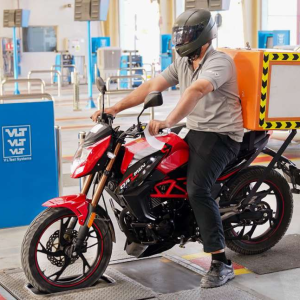
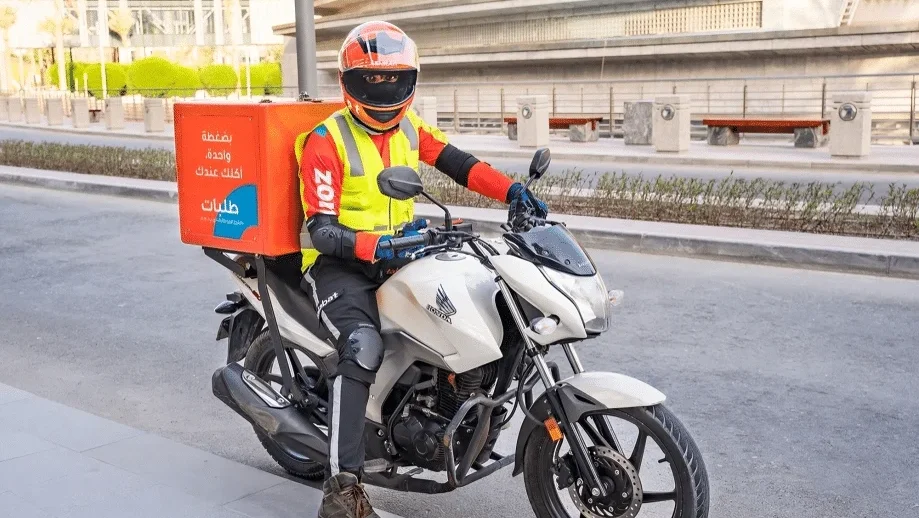
In the UAE’s fast-moving cities, delivery bikes have become a familiar sight. With the booming e-commerce and food delivery demand, more motorcycles and scooters weave through traffic than ever before. However, this rapid growth has also led to an increase in road accidents involving delivery riders. In response, authorities in Dubai and Sharjah have launched stricter regulations for delivery riders. These new rules aim to shift the focus from faster deliveries to safer deliveries and affect riders, companies, and customers alike.
Why the Change Was Needed
Over the past few years, the number of delivery riders on UAE roads has surged due to the growth of online shopping and food delivery platforms. With this rise came an increase in traffic incidents, many caused by high-speed riding, lane violations, and risky overtaking. Delivery motorcycles were often found using fast lanes or weaving between vehicles, leading to several accidents.
Authorities observed this growing problem and decided to take action. The Roads and Transport Authority (RTA) in Dubai, the Dubai Police, and traffic departments in Sharjah developed new safety rules designed to reduce reckless riding and create a safer environment for all road users. The goal is to protect both riders and the public by promoting discipline and awareness on the roads.

New Rules in Dubai
Starting today, delivery riders in Dubai must follow a set of new restrictions that clearly define which lanes they can use and what penalties they face for violations.
Lane Restrictions
On major roads with five or more lanes, delivery motorcycles are prohibited from using the two fastest lanes on the left. On roads with three or four lanes, they cannot use the fast lane. However, on smaller roads with two lanes or fewer, riders are free to use either lane.

These restrictions aim to keep delivery bikes out of high-speed traffic zones, where the risk of accidents is greater due to the higher speed of surrounding vehicles.
Fines and Penalties
Violations of these lane restrictions will result in escalating penalties:
- First offense: Dh500 fine
- Second offense: Dh700 fine
- Third offense: Suspension of the rider’s delivery permit
Additionally, riders caught exceeding the speed limit by over 100 km/h will face fines starting from Dh200, increasing to Dh400 for repeat offenses. These fines are meant to encourage responsible behavior and discourage repeat violations.
Enforcement and Monitoring
The RTA has installed new road signs across Dubai to indicate where commercial motorcycles are banned from certain lanes. The RTA will work closely with the Dubai Police, the Department of Economy and Tourism, and delivery companies to ensure compliance. Field inspections and digital surveillance systems will help monitor riders and enforce the new rules effectively.
New Rules in Sharjah
Sharjah has introduced its own system of lane management to regulate the movement of motorcycles, delivery bikes, heavy vehicles, and buses. This system aims to maintain smoother and safer traffic flow across major roads.
Lane Assignments
Under the new system:
- Heavy vehicles and buses must use the far-right lane.
- On four-lane roads, motorcycles and delivery bikes can use only the third and fourth lanes from the right.
- On three-lane roads, they can use the middle or right lane.
- On two-lane roads, they must stay in the right lane only.
By assigning specific lanes to motorcycles and heavy vehicles, the Sharjah authorities aim to reduce lane-hopping and dangerous overtaking maneuvers.
Smart Surveillance and Penalties
To ensure compliance, Sharjah authorities will use smart radars, high-definition cameras, and 24-hour traffic patrols. Noncompliance will result in fines under the federal traffic law:
- Heavy vehicles that fail to stay in their designated lanes will face fines up to Dh1,500 and 12 black points.
- Motorcycles ignoring traffic signs or lane instructions will be fined Dh500.
These measures combine technology and strict enforcement to ensure that every driver follows the new rules.
Benefits of the New Rules
The introduction of these new regulations offers multiple benefits for delivery riders, companies, and the general public.
For Delivery Riders
The new system is designed to improve rider safety by reducing exposure to high-speed traffic. Riders now have clearer guidance on which lanes to use, lowering the chances of collisions. It also helps in professionalizing the delivery sector by encouraging discipline and responsibility among riders.
For Delivery Companies
Companies will benefit from reduced accident rates and lower insurance risks. With stricter rules and better training programs, they can maintain safer operations and protect their reputation. The changes also make it easier for companies to manage and train riders effectively.
For the Public
For general motorists and pedestrians, these rules promise smoother traffic flow and fewer road accidents. When delivery bikes stay in their designated lanes and follow speed limits, everyone on the road benefits from a safer environment.
Key Challenges Ahead
While the new measures are a positive step, they may also bring challenges in implementation and adaptation.
Awareness and Training
Many riders may initially be unaware of the new lane rules or may find them confusing. Delivery companies will need to organize awareness campaigns and mandatory training sessions to help riders adjust.
Delivery Time Adjustments
Due to the lane restrictions and stricter enforcement, delivery times may increase slightly. Companies and customers will have to adjust their expectations, prioritizing safety over speed.
Monitoring and Fairness
With the introduction of smart cameras and radars, ensuring accurate and fair monitoring is crucial. Authorities must maintain transparency to avoid false fines or incorrect penalties.
Cost and Compliance
Some smaller delivery companies might face financial strain due to fines, permit suspensions, or the cost of retraining riders. However, in the long run, these investments are likely to result in safer and more reliable operations.
Tips for Delivery Riders
To stay compliant and safe under the new rules, delivery riders should follow a few essential guidelines:
- Learn which lanes are allowed and avoid restricted ones.
- Watch for new signage that indicates motorcycle restrictions.
- Plan delivery routes to minimize lane-switching.
- Follow the speed limit and avoid aggressive overtaking.
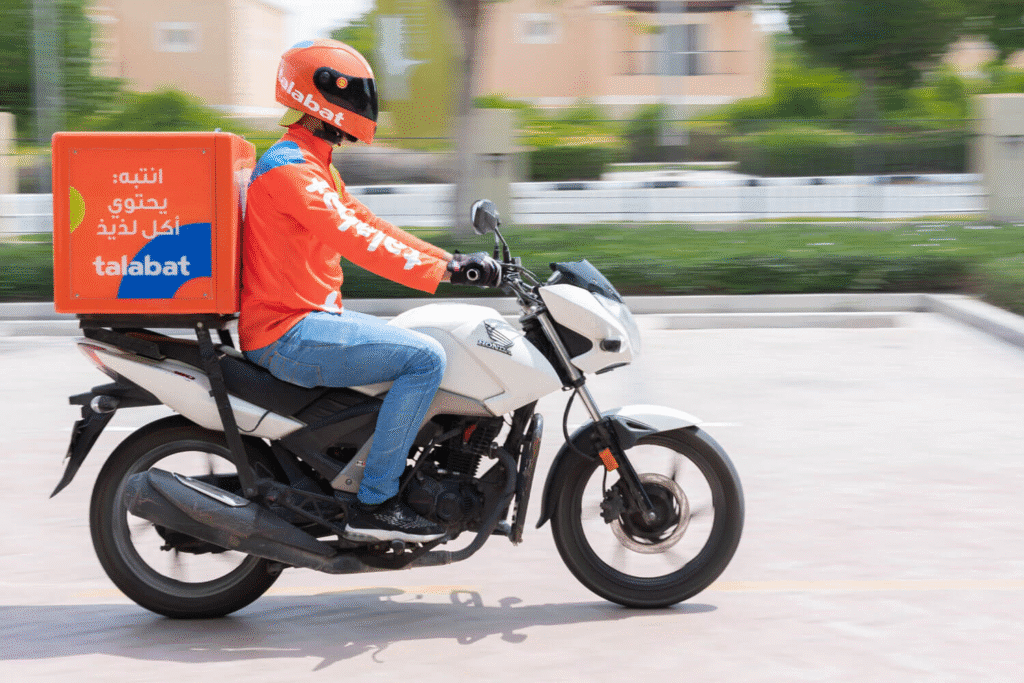
- Wear safety gear, including a helmet and reflective jacket.
- Stay alert for road cameras and police patrols.
- Report unclear signage to your company or authorities.
By following these steps, riders can protect themselves, maintain their permits, and contribute to safer roads.
What Companies Should Do
Delivery and courier companies play a critical role in ensuring the success of these new measures. They should:
- Update rider training programs to include the new rules.
- Adjust route-planning software to avoid restricted lanes.
- Use tracking systems to monitor rider behavior.
- Communicate rule updates and penalties to all riders.
- Collaborate with authorities on safety initiatives.
- Reward safe riding and compliance.
When companies promote safety as part of their culture, riders will be more motivated to follow the rules.
Impact on Customers
Customers may notice small changes in delivery times or routes as riders comply with the new laws. These adjustments are made for safety, and public cooperation will be essential. A few extra minutes of waiting can help reduce accidents and save lives. Customers can also support safer delivery practices by being patient and giving positive feedback to riders who prioritize safety.
The Road Ahead
These new rules mark the beginning of a long-term effort to make UAE roads safer and more organized. With time, authorities expect a reduction in accidents involving delivery motorcycles and better overall road discipline. Companies will adapt to new logistics strategies, and riders will become more professional and safety-conscious.
The UAE’s use of smart technologies such as AI-powered cameras and automated monitoring will further enhance traffic management. As these systems evolve, the nation is likely to become a model for road safety in the region.
Conclusion
The new delivery rider rules in Dubai and Sharjah represent a major step forward in improving road safety and promoting responsible driving. By clearly defining lane restrictions, enforcing speed limits, and introducing tougher penalties, the authorities are sending a strong message: safety comes first.
For riders, it’s time to adapt and embrace a more disciplined approach to delivery. For companies, it’s a chance to invest in training and compliance. For customers, it’s an opportunity to support safer delivery operations. Together, these efforts will create safer roads and a more efficient delivery system across the UAE.
Do follow UAE Stories on Instagram
Read Next – Dubai Parking Update: Parkin Expands Paid Zones with New Tariff Plans