
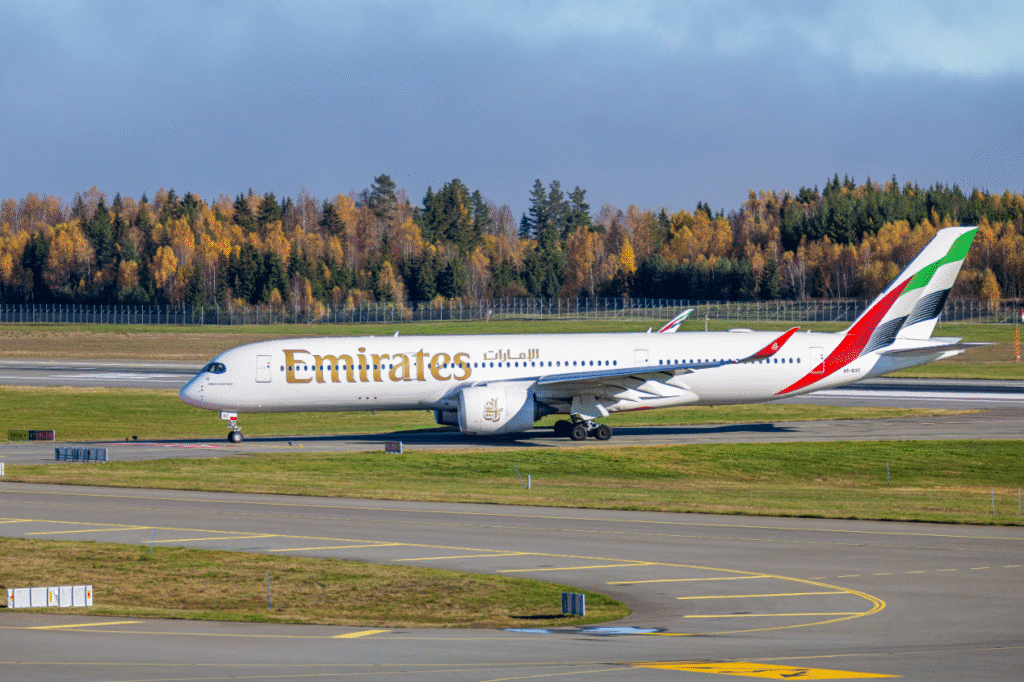
Emirates JFK Fly Quiet Programme has recognized Emirates for its outstanding performance in minimizing noise pollution at New York’s John F. Kennedy International Airport. The airline has been awarded the prestigious Gold Tier status, marking it as the top performer among all participating carriers. This recognition highlights Emirates’ commitment to operational excellence, sustainable aviation, and community well-being, solidifying its reputation as an industry leader in responsible and quieter flying.
Achieving Gold Tier status is no small feat. Emirates scored an impressive 92.9 in the evaluation, placing it far above competitors. The recognition reflects the airline’s dedication to reducing its environmental footprint while maintaining the highest standards of service and operational efficiency.
Understanding the Fly Quiet Programme
The JFK Fly Quiet Programme is an initiative designed to encourage airlines to adopt noise reduction measures and operate in a manner that minimizes disturbance to communities surrounding the airport. The program focuses on multiple factors, including aircraft noise performance, pilot adherence to noise abatement procedures, fleet modernization, and operational practices. Airlines that excel in these areas are rewarded through tiered recognition levels, with Gold representing the highest achievement.

Participating in the Fly Quiet Programme requires airlines to commit to voluntary noise reduction practices, which go beyond regulatory requirements. This includes adopting quieter aircraft technologies, following specific flight paths to minimize noise over residential areas, and adhering to strict departure and landing procedures. By doing so, airlines demonstrate their responsibility to the communities near airports and their commitment to sustainable aviation practices.
Emirates’ Commitment to Quieter Skies
Emirates’ attainment of Gold Tier status reflects years of strategic planning and investment aimed at reducing noise impact. The airline has consistently prioritized quieter operations while maintaining efficiency and service quality. From fleet choices to pilot training and operational strategies, Emirates has implemented a comprehensive approach to noise management.

The airline’s commitment extends beyond compliance; it is a core part of Emirates’ operational philosophy. By prioritizing quieter aircraft, optimizing flight paths, and adopting advanced operational procedures, Emirates ensures that noise reduction is not an afterthought but an integral aspect of its operations.
Fleet Noise Performance
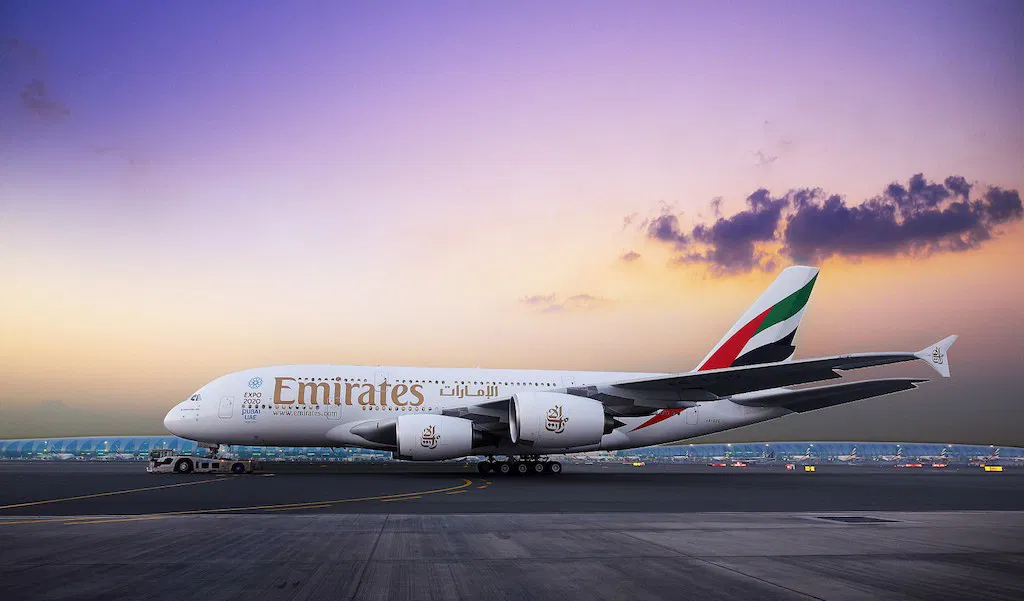
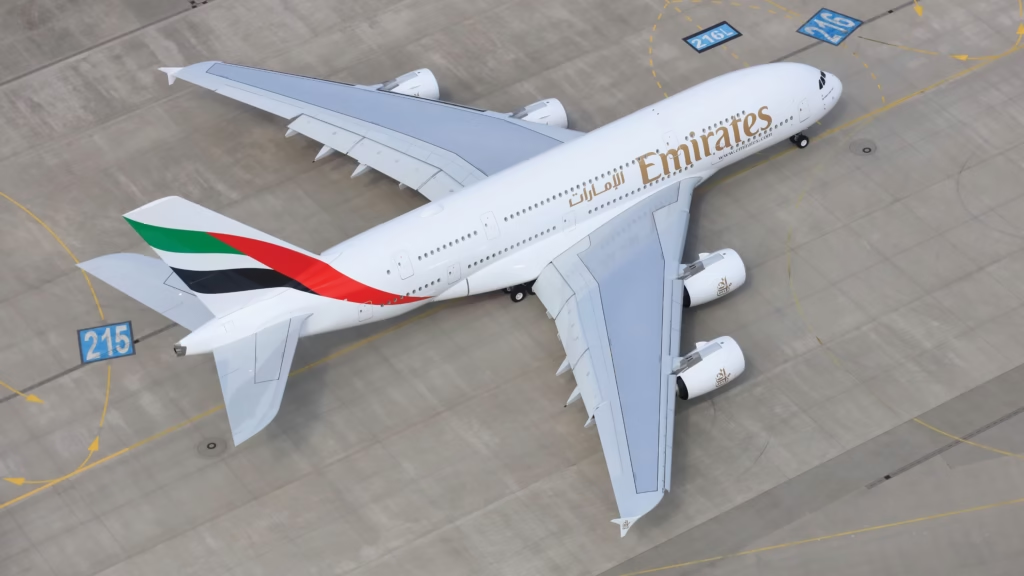
One of the key factors in Emirates’ success is its fleet composition. The airline operates some of the most modern and fuel-efficient aircraft in the world, including the Airbus A380 and Boeing 777. These aircraft not only offer exceptional passenger comfort and operational efficiency but also excel in noise reduction.
Emirates’ fleet consistently meets and exceeds international noise standards, demonstrating a proactive approach to environmental stewardship. The aircraft are designed with advanced engine technology, aerodynamic improvements, and sound-absorbing materials that significantly reduce noise emissions during takeoff, landing, and flight. By maintaining a fleet that prioritizes low noise levels, Emirates ensures that every flight contributes to a quieter airport environment.
Operational Efficiency
Operational efficiency plays a critical role in reducing noise events. Emirates’ strategic deployment of high-capacity aircraft allows the airline to transport more passengers per flight, reducing the total number of flights required to meet demand. For instance, a single Emirates A380 flight can carry over 500 passengers, which would otherwise require multiple flights if smaller aircraft were used. This approach not only optimizes fuel consumption but also minimizes the cumulative noise impact on surrounding communities.
Furthermore, Emirates carefully plans flight schedules and runway usage to align with noise abatement objectives. By coordinating departures and arrivals to avoid noise-sensitive times, the airline demonstrates a commitment to community welfare while maintaining operational reliability.
Noise Management Strategy
Emirates’ noise management strategy is multi-faceted, encompassing operational, technological, and community-focused initiatives. The airline’s approach ensures that noise reduction is systematically integrated into daily operations.
Compliance with Noise Abatement Procedures
Strict adherence to Noise Abatement Departure Procedures (NADP) is central to Emirates’ approach. Pilots are trained extensively on noise-sensitive routes and departure techniques that minimize noise over residential areas. These procedures are incorporated into standard operating protocols and regularly reinforced through ongoing training and performance evaluations.
By embedding noise abatement into pilot routines, Emirates ensures that noise reduction is consistently prioritized across all flights. Any deviations are carefully reviewed, with corrective measures implemented to prevent recurrence.
Utilization of Noise Preferential Runways
Emirates actively utilizes noise preferential runways whenever operationally feasible. These runways are designed to direct flight paths away from residential neighborhoods, further reducing the impact of aircraft noise on local communities. The airline demonstrates flexibility and foresight by adjusting operations to take advantage of these runways, even when other factors, such as wind conditions or air traffic, present challenges.
Transparent Monitoring and Accountability
Transparency and accountability are key pillars of Emirates’ noise management efforts. All flight operations are monitored for adherence to noise reduction practices, and any incidents or deviations are documented and analyzed. This continuous monitoring allows the airline to identify patterns, implement improvements, and maintain high standards of performance.
By fostering a culture of accountability, Emirates ensures that noise management is not only a procedural requirement but also a core value embraced by all staff members, from pilots to operations teams.
Collaborative Engagement with Stakeholders
Emirates recognizes that meaningful noise reduction requires collaboration with airport authorities, regulators, and local communities. The airline actively participates in discussions, feedback sessions, and roundtables to share best practices and learn from other stakeholders. This cooperative approach strengthens trust and ensures that noise management strategies align with the expectations of both regulators and residents.
Previous Recognitions and Industry Leadership
Emirates’ dedication to quieter operations is not limited to JFK. The airline has received similar recognition at other major airports, consistently achieving high ratings for noise reduction and operational excellence. These accolades demonstrate that Emirates’ approach is effective across multiple operational contexts and reflects a broader commitment to sustainable aviation.
Through a combination of fleet modernization, operational strategies, and community engagement, Emirates has positioned itself as a leader in responsible aviation. Its success in the Fly Quiet Programme sets a benchmark for other airlines, showcasing how operational efficiency and environmental responsibility can go hand in hand.
Impact on Communities and Sustainability
Reducing aircraft noise is not only an environmental concern but also a matter of community welfare. Noise pollution from airports can affect physical and mental health, disrupt sleep, and diminish quality of life for residents living nearby. By achieving Gold Tier status, Emirates demonstrates its recognition of these impacts and its commitment to mitigating them.
Every flight that Emirates operates with quieter aircraft and optimized procedures contributes to a more peaceful and sustainable environment for local communities. This proactive approach fosters goodwill, enhances the airline’s reputation, and sets an example for others in the aviation sector.
In addition to community impact, Emirates’ noise reduction initiatives align with broader sustainability goals. By deploying modern, fuel-efficient aircraft and minimizing unnecessary flights, the airline reduces its carbon footprint alongside its noise footprint. This holistic approach reflects a deep understanding of how environmental and social responsibilities intersect in modern aviation.
Training and Continuous Improvement
A critical aspect of Emirates’ success in the Fly Quiet Programme is its focus on training and continuous improvement. Pilots and operational staff undergo rigorous programs to ensure they understand and implement noise reduction measures effectively. This includes simulation-based training, route familiarization, and periodic assessments to maintain high standards.
Emirates also invests in feedback mechanisms, encouraging staff to identify opportunities for further noise reduction. This culture of continuous improvement ensures that the airline not only meets current standards but also adapts proactively to emerging technologies and best practices in noise management.
The Role of Technology
Technology plays a central role in Emirates’ noise management strategy. Advanced aircraft systems, real-time monitoring, and predictive analytics enable the airline to optimize flight operations for minimal noise impact.
For example, flight management systems can calculate the most efficient departure profiles and landing approaches that balance fuel efficiency with noise reduction. Engine technology innovations, such as quieter turbofans and vibration-reducing materials, further enhance the airline’s ability to reduce noise emissions without compromising performance.
Investments in such technologies demonstrate Emirates’ commitment to long-term environmental stewardship and highlight the airline’s forward-thinking approach to operational excellence.
Conclusion
Emirates’ recognition as a Gold Tier airline in the JFK Fly Quiet Programme reflects its unwavering commitment to quieter, more sustainable aviation. Through strategic fleet choices, operational efficiency, pilot training, technological innovation, and community engagement, the airline sets a benchmark for responsible airline operations.
By prioritizing noise reduction alongside service excellence, Emirates demonstrates that environmental responsibility and operational success can go hand in hand. This achievement serves as a model for other airlines, showcasing how a commitment to sustainability, efficiency, and community welfare can lead to measurable impact.
As Emirates continues to expand its operations globally, the airline’s leadership in noise reduction underscores its dedication to sustainable growth, community well-being, and industry innovation. Achieving Gold Tier status at JFK is a milestone, but it is also a reflection of Emirates’ broader philosophy: flying responsibly while maintaining world-class service and operational excellence.
Quieter skies, operational efficiency, and sustainability are now central to Emirates’ mission, and the Gold Tier recognition at JFK is a testament to the airline’s dedication to these principles. It is a moment of pride for Emirates and a positive signal to the industry that responsible aviation is not only achievable but also a key part of the airline’s future vision.
Do follow UAE Stories on Instagram
Read Next – Smart Gold and Jewellery Testing Lab Launched by Dubai Municipality