
Childhood high blood pressure is a growing concern worldwide, yet many parents and healthcare providers still underestimate its long-term effects. While most people associate high blood pressure, or hypertension, with adults, research shows that elevated blood pressure in children can have serious consequences that extend well into adulthood. Children with high blood pressure are at a significantly higher risk of developing heart disease later in life, making early detection and prevention crucial.
Understanding Childhood High Blood Pressure
High blood pressure occurs when the force of blood against the walls of the arteries is consistently too high. In children, this condition is often overlooked because the symptoms are not always obvious. Many children with high blood pressure feel healthy and show no outward signs of illness, making regular blood pressure monitoring essential.
Several factors can contribute to high blood pressure in children. Genetics plays a key role, as children with a family history of hypertension are more likely to develop the condition themselves. Additionally, lifestyle factors such as poor diet, lack of physical activity, and obesity are major contributors. Stress and certain medical conditions can also elevate blood pressure levels in children.

Childhood high blood pressure is typically classified based on percentiles, taking into account a child’s age, sex, and height. Blood pressure that falls in the 90th to 94th percentile is considered elevated, while readings at or above the 95th percentile indicate hypertension. Even moderately elevated blood pressure in childhood can set the stage for serious cardiovascular issues in adulthood.
The Link Between Childhood Blood Pressure and Adult Heart Disease
Research has shown a strong connection between childhood high blood pressure and adult heart disease. Children with elevated or high blood pressure are significantly more likely to develop cardiovascular problems later in life, including heart attacks, heart failure, and stroke. Studies have indicated that elevated blood pressure in childhood can increase the risk of early death from cardiovascular causes by up to 50 percent.

The connection between childhood hypertension and adult heart disease is not just due to persistent high blood pressure. Early vascular changes, such as stiffening of the arteries and thickening of artery walls, often begin in childhood. These changes can silently progress over decades, eventually leading to heart disease, reduced blood flow, and other cardiovascular complications. This makes childhood high blood pressure an important warning sign that should never be ignored.
Symptoms and Signs of Childhood High Blood Pressure
One of the challenges with childhood high blood pressure is that it often goes unnoticed. Many children do not show obvious symptoms. However, some signs may indicate elevated blood pressure:
- Frequent headaches, particularly in the morning
- Dizziness or feeling faint
- Nosebleeds without an obvious cause
- Fatigue or low energy levels
- Blurred vision
While these symptoms may indicate other conditions as well, they should prompt a checkup and blood pressure assessment. Regular screenings during pediatric visits are the best way to detect high blood pressure early.

Causes and Risk Factors
Several factors contribute to the development of childhood high blood pressure:
Poor Diet
A diet high in sodium, processed foods, and sugary beverages can increase blood pressure in children. Fast food consumption and excessive salt intake are particularly harmful. A healthy, balanced diet with plenty of fruits, vegetables, and whole grains is essential to maintaining normal blood pressure.
Obesity
Obesity is one of the strongest predictors of childhood hypertension. Extra body weight increases the strain on the heart and arteries, raising blood pressure. Children with obesity are not only more likely to develop hypertension but also face higher risks of diabetes and other chronic conditions.
Lack of Physical Activity
Sedentary behavior, including excessive screen time and limited outdoor play, contributes to higher blood pressure. Regular exercise strengthens the heart, improves circulation, and helps maintain a healthy weight.
Family History
Genetics play a crucial role in determining a child’s risk for high blood pressure. Children with parents or grandparents who have hypertension are more likely to develop it themselves. Understanding family history can help parents and healthcare providers identify children who need closer monitoring.
Stress and Emotional Factors
Emotional stress, anxiety, and even sleep problems can affect blood pressure. Children under chronic stress may have elevated blood pressure, highlighting the importance of supportive environments and stress management techniques.
Preventive Measures for Childhood High Blood Pressure
The good news is that childhood high blood pressure can often be prevented or managed through lifestyle changes and regular monitoring. Parents, caregivers, and healthcare providers can take several steps to reduce the risk:
Encourage Regular Physical Activity
Children should engage in at least 60 minutes of moderate to vigorous physical activity daily. Activities like running, swimming, biking, or team sports help strengthen the heart and lower blood pressure.
Promote a Healthy Diet
A balanced diet is essential. Focus on fresh fruits, vegetables, whole grains, lean proteins, and low-fat dairy products. Limiting processed foods, sugary drinks, and high-sodium snacks can have a significant impact on blood pressure levels.
Maintain a Healthy Weight
Healthy body weight is crucial for preventing hypertension. Encourage active lifestyles and balanced nutrition to reduce obesity risk.
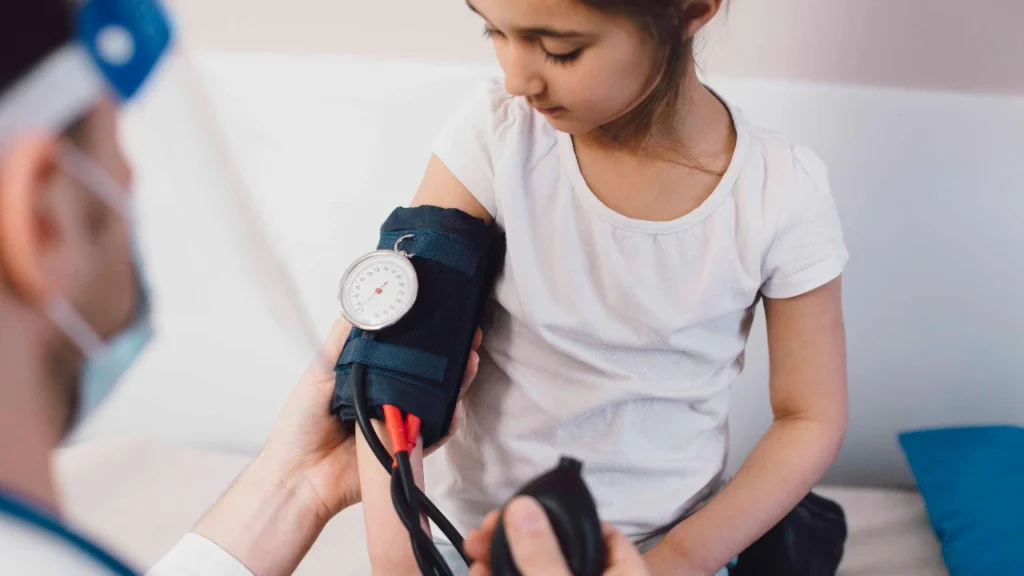
Monitor Blood Pressure Regularly
Routine blood pressure checks should be part of a child’s regular healthcare visits. Early identification allows for timely interventions before the condition worsens.
Reduce Stress
Supportive home and school environments can help minimize stress. Encouraging relaxation, mindfulness exercises, and adequate sleep are all beneficial.
Educate Children and Families
Raising awareness about the risks of high blood pressure helps children and parents make informed lifestyle choices. Education on diet, exercise, and stress management is key to long-term heart health.
Long-Term Benefits of Early Intervention
Addressing childhood high blood pressure early can prevent serious health problems later in life. Children who adopt healthy habits and maintain normal blood pressure are less likely to develop adult hypertension, heart disease, stroke, and other cardiovascular complications. Early intervention not only improves health outcomes but also enhances overall quality of life, reducing the burden of chronic disease in adulthood.
Global Trends and Growing Concerns
Childhood high blood pressure is becoming increasingly common worldwide. Sedentary lifestyles, unhealthy diets, and rising obesity rates contribute to this trend. In many countries, hypertension in children is often underdiagnosed and undertreated, leading to long-term health challenges.
Increasing awareness among parents, educators, and healthcare providers is crucial. Promoting healthy school meals, encouraging physical activity, and integrating blood pressure monitoring into routine pediatric care are important steps in addressing this global health concern.
Key Takeaways
- Childhood high blood pressure is a silent but serious condition that can lead to adult heart disease.
- Genetics, poor diet, lack of exercise, and obesity are major risk factors.
- Regular monitoring and early detection are essential to prevent long-term cardiovascular complications.
- Lifestyle changes, including healthy eating, regular physical activity, and stress management, can significantly reduce risk.
- Education and awareness are critical for parents, children, and healthcare providers to promote lifelong heart health.
Conclusion
Childhood high blood pressure is more than just a temporary health concern—it is a warning sign for potential heart disease in adulthood. By recognizing the risk factors, promoting healthy habits, and ensuring regular monitoring, parents and healthcare providers can protect children from serious cardiovascular problems later in life. Early intervention, education, and lifestyle changes can make a lasting difference, helping children grow into healthy adults with strong hearts.
Taking childhood blood pressure seriously is not just about preventing hypertension in childhood; it is about safeguarding long-term heart health. Every child deserves the opportunity to thrive, and maintaining healthy blood pressure from a young age is a vital step toward achieving that goal.
Do follow UAE Stories on Instagram
Read Next – New Memory-Mimicking Robots Could Boost Efficiency