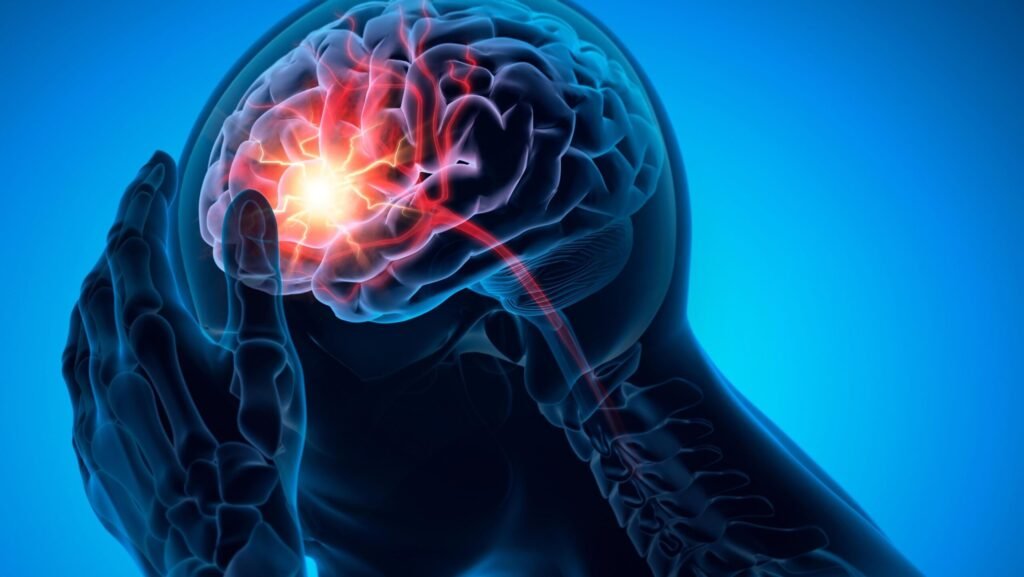
Stroke is one of the leading causes of long term disability worldwide. Millions of people every year experience strokes that leave them with partial paralysis, speech difficulties, and cognitive challenges. While emergency treatments like clot busting medications and surgical interventions exist, options for repairing the lasting brain damage caused by stroke remain very limited.
Stem cell transplants stroke repair is emerging as a promising area of research. Recent experiments in mice suggest that transplanting stem cells into damaged areas of the brain could help restore lost functions and even repair the injured tissue. These findings provide hope that similar treatments might one day be available for human stroke survivors.
Understanding Stroke and Its Consequences
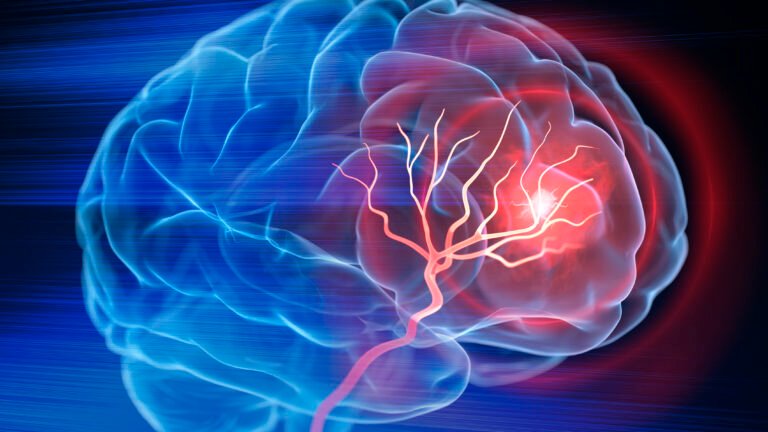
A stroke occurs when blood flow to a part of the brain is interrupted. There are two main types of strokes: ischemic, caused by a blockage in a blood vessel, and hemorrhagic, caused by bleeding in the brain. Regardless of the type, the result is the same. Brain cells are deprived of oxygen and begin to die.

This damage often has serious and lasting effects. Patients can experience:
- Weakness or paralysis, usually on one side of the body
- Speech or language problems
- Cognitive difficulties, including memory loss
- Emotional and psychological changes, such as depression or anxiety
Current therapies focus mainly on preventing further damage and helping patients regain some function through rehabilitation. Unfortunately, there is no widely available treatment that can reverse the brain damage caused by stroke. This is where stem cell therapy comes in.

What Are Stem Cells
Stem cells are unique cells in the body that have the ability to develop into many different cell types. Some stem cells are pluripotent, meaning they can become almost any kind of cell in the body. Others are multipotent and can develop into a limited range of cells.
In the context of stroke repair, neural stem cells are of particular interest. These cells can develop into neurons and other brain cells. Researchers have been studying whether introducing these cells into damaged areas of the brain could replace lost neurons and restore brain function.
The idea is simple but powerful. If the brain can be replenished with new cells that integrate into the existing network, it may be possible to reverse some of the damage caused by stroke.
How Stem Cell Transplants Work in Stroke
Recent experiments in mice have shown promising results. Researchers created conditions that mimic stroke induced brain damage and then transplanted stem cells directly into the injured brain tissue. Over time, they observed several positive outcomes.
New Neurons Formed
The transplanted stem cells developed into functioning neurons. These new neurons were able to connect with existing brain circuits, essentially replacing some of the damaged cells. This process, known as neurogenesis, is critical because it demonstrates that stem cells can rebuild the structural foundations of the brain.
Improved Motor Function
Mice that received stem cell transplants showed significant improvements in movement. Tasks that were previously difficult or impossible, such as walking on a narrow beam or navigating an obstacle course, became easier. These improvements suggest that the transplanted cells were not only surviving but also actively contributing to brain function.
A Broader Window for Treatment
One of the most exciting findings was that stem cell therapy was effective even when administered several days after the stroke. This extended treatment window could be crucial in real world scenarios, where patients may not receive immediate medical attention. It suggests that stem cell transplants could be used even after the acute phase of stroke has passed.
Why This Research Matters
Stem cell transplants stroke repair could fundamentally change how we treat stroke patients. Currently, rehabilitation is often slow and incomplete. Even intensive physical and occupational therapy may not fully restore lost abilities.
Stem cell therapy offers the potential to actually repair the underlying brain damage rather than just helping the body compensate for it. For patients and families, this could mean:
- Greater independence in daily life
- Reduced long term care needs
- Improved emotional and psychological well being
- Better overall quality of life
These benefits make stem cell therapy one of the most exciting areas in neuroscience and regenerative medicine.
Challenges to Overcome
Despite the promising results in mice, several challenges must be addressed before stem cell transplants can become a standard treatment for humans.
Safety Concerns
One of the primary concerns is safety. Introducing stem cells into the brain carries risks, including unwanted cell growth or tumor formation. Researchers are carefully studying how to ensure that transplanted cells behave in predictable and safe ways.
Ethical Considerations
The use of stem cells, particularly those derived from human sources, raises ethical questions. Scientists and policymakers must balance the potential benefits with the ethical implications of using these cells in medical treatments.
Scalability and Delivery
Transplanting stem cells into the human brain is more complex than in mice. Researchers need to develop reliable methods to produce, transport, and deliver stem cells safely to patients. This includes finding the best types of stem cells, the right doses, and the optimal delivery methods.
Long Term Effectiveness
While mice have shown impressive recovery, it is unclear how long the benefits of stem cell transplants will last in humans. Ongoing research is necessary to determine whether the improvements are permanent or require repeated treatments.
The Road Ahead
The next steps for stem cell therapy involve extensive clinical trials in humans. These trials will focus on:
- Confirming that the therapy is safe for human patients
- Determining the most effective types and doses of stem cells
- Establishing the optimal timing for treatment after a stroke
- Evaluating long term outcomes, including functional recovery and quality of life
If successful, these trials could open the door to a completely new approach to stroke treatment, one that repairs the brain itself rather than just helping patients adapt to its limitations.
Broader Implications for Neurological Disorders
While this research focuses on stroke, the implications extend far beyond it. Stem cell therapy could potentially be used to treat other neurological conditions, including:
- Traumatic brain injuries
- Neurodegenerative diseases like Parkinson’s and Alzheimer’s
- Spinal cord injuries
The ability to repair damaged nervous tissue could transform medicine and give hope to millions of people suffering from conditions that currently have no cure.
A Message of Hope
For stroke survivors and their families, the idea of recovering lost abilities may have once seemed impossible. Stem cell transplants stroke repair brings a renewed sense of hope. While more research is needed, the progress in animal studies demonstrates that repairing the brain after a stroke is no longer just a dream, it is a goal that may soon be achievable.
With continued research, careful clinical trials, and ethical oversight, stem cell therapy has the potential to become a game changing treatment. It could allow patients not just to survive stroke but to regain meaningful, functional lives.
Conclusion
Stem cell transplants stroke repair is one of the most promising developments in modern medicine. Recent studies in mice have shown that these therapies can regenerate damaged brain tissue, improve motor function, and offer an extended treatment window.
While challenges remain in terms of safety, ethics, and delivery methods, the potential benefits for human stroke patients are enormous. Researchers are optimistic that with further study, stem cell therapy could transform stroke recovery and offer hope to millions around the world.
This research represents a significant step forward in regenerative medicine and neuroscience. For anyone affected by stroke, the possibility that lost brain functions could one day be restored is an inspiring and encouraging prospect.
Do follow UAE Stories on Instagram
Read Next – New Memory-Mimicking Robots Could Boost Efficiency