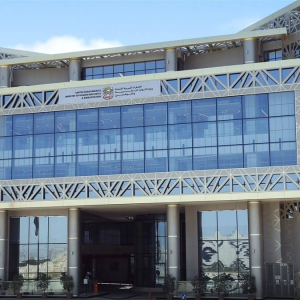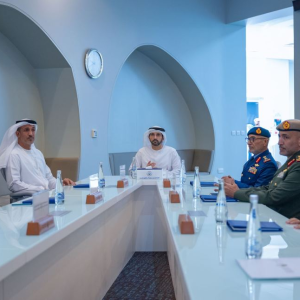

The MENA Oceans Summit 2025 is poised to become a landmark moment for marine conservation across the Middle East and North Africa. As the region prepares to launch the MENA Ocean Action Agenda, momentum is building toward the IUCN World Conservation Congress. The synergy between regional ambition and global attention provides a rare window of opportunity to reimagine how we steward our seas. This is more than a policy exercise — it is a collective pact between nations, communities, and ecosystems.
Why the MENA Ocean Action Agenda Matters
Confronting Unique Regional Challenges
The seas surrounding MENA countries face pressures distinct from those in other parts of the world: rapid coastal development, overfishing, habitat loss, pollution, and the increasingly visible impacts of climate change such as rising sea levels and ocean warming. A tailored agenda allows for regional responses that speak directly to these realities.
Aligning Ambition with Global Conservation Goals
By launching the Agenda ahead of the IUCN Congress, MENA nations can showcase their commitment and bring forward regional voices into the global conversation. In doing so, they ensure that their priorities — such as blue economy development, marine protected area expansion, and sustainable fisheries — are included on the world stage.

Uniting Diverse Stakeholders Through Shared Purpose
From governments and international agencies to coastal communities, scientists, NGOs, and youth groups — the Agenda offers a common framework. It provides clarity for collaboration, resource mobilization, and accountability. Shared purpose encourages synergy instead of duplication.
What to Expect from the Agenda
Pillars of the Action Agenda
The Agenda is expected to rest on several core pillars:

1. Marine and Coastal Ecosystem Protection
Expanding protected areas, restoring degraded habitats (mangroves, coral reefs, seagrass meadows) and implementing connectivity corridors between ecosystems.
2. Sustainable Fisheries and Food Security
Reforming fishing practices, combating illegal, unreported, and unregulated (IUU) fishing, and empowering coastal fishers with sustainable livelihoods.
3. Pollution Reduction and Waste Management
Addressing plastic pollution, land-based runoff, and marine litter through regulation, infrastructure investment, and clean-up drives.
4. Climate Resilience and Adaptation
Mainstreaming ocean climate resilience: sea level rise adaptation, coastal planning, and leveraging nature-based solutions to buffer impacts.
5. Blue Economy and Sustainable Development
Fostering marine tourism, renewable ocean energy, and marine biotechnology in ways that support ecological integrity and benefit communities.
6. Science, Monitoring, and Data Sharing
Establishing common monitoring frameworks, data portals, and collaborative research to inform policy, track performance, and foster innovation.
Expected Commitments and Milestones
At the Summit, member states are expected to pledge measurable targets: expanding marine protected areas by specific percentages, reducing plastic waste inputs by certain tonnages, or raising funding for coastal restoration. The Agenda may also propose regional institutions or secretariats to monitor progress and coordinate cross-border initiatives.
Strategic Benefits Ahead of the IUCN Congress
Elevating Regional Leadership
By advancing this agenda proactively, MENA nations can position themselves as leaders in ocean conservation — not merely followers. This gives them a stronger voice in shaping global commitments at the IUCN Congress.
Attracting Financial and Technical Support
A unified regional agenda helps streamline funding proposals to multilateral donors and foundations. Donors are more likely to invest when they see coherence, regional alignment, and governance mechanisms.
Catalyzing Cross-Border Cooperation
Many marine challenges transcend national boundaries: migratory species, shared currents, pollution flows. The Agenda can foster joint initiatives — improving diplomacy, trust, and resource sharing.
Engaging Youth, Civil Society, and the Private Sector
Launching with broad stakeholder engagement builds momentum and social ownership. It encourages citizens, local groups, and private enterprises to step into meaningful roles, ensuring longevity beyond government cycles.
Human Stories: Voices from the Coastal Frontlines
Coastal Communities Embrace Hope
In small fishing villages along the Mediterranean and Red Sea coasts, fishers worry about dwindling catches, degraded reefs, and changing seasons. For them, the Agenda offers possibility: healthier ecosystems, more regulated fishing, and more secure livelihoods. They see it as a social contract — a commitment from governments to protect the seas that sustain them.
Young Ocean Advocates Ready to Act
Across universities in Cairo, Amman, and Dubai, student researchers and ocean clubs are mobilizing ahead of the Summit. They want not just to observe policy but to help shape it — contributing data, proposing solutions, and holding leaders accountable. The Agenda gives them a seat at the table.
Scientists and Technologists Bringing Innovation
Marine biologists, oceanographers, satellite mapping experts, and data scientists are designing regional platforms to harmonize ecological monitoring. Their tools — drones, remote sensing, citizen science apps — help ground the Agenda in evidence rather than rhetoric.
Challenges and Risks to Watch
Disparate Capacities Across Nations
Some countries have advanced marine management systems, while others lack technical or institutional capacity. Ensuring equitable participation and capacity building is crucial lest the Agenda become unequal.
Resource Constraints and Competing Priorities
National budgets are strained; new pandemics, energy crises, or political upheavals may divert attention. The Agenda must link to economic recovery, climate resilience, and social welfare to stay relevant.
Maintaining Momentum Beyond the Summit
Too many strategies fade after initial excitement. The Agenda needs binding mechanisms, regular reporting, peer review, and public transparency to avoid being shelved.
Balancing Development and Conservation
The push for blue economy growth (ports, coastal infrastructure, aquaculture) risks conflicting with conservation goals. Careful zoning, impact assessments, and stakeholder inclusion will be essential.
Path Forward: From Summit Launch to Lasting Impact
Secure Endorsement and Adoption
Following the Summit, participating nations should formally adopt the Agenda, embed its goals in national strategies, and align with IUCN outcomes.
Build a Regional Secretariat or Governing Body
To coordinate, monitor, and support implementation, a dedicated entity or secretariat should be established with representation from each country and stakeholder groups.
Track, Report, and Adapt
Regular progress reports, dashboards, audits, and adaptive management will keep the Agenda alive, relevant, and responsive to new challenges and discoveries.
Scale Local Action, Empower Communities
Implementation will happen at local scales — in coastal municipalities, fishing communities, and marine parks. Empowering local actors with funding, training, and decision power will turn plans into real change.
Leverage Global Attention at the IUCN Congress
At the IUCN World Conservation Congress, MENA delegations can showcase their Agenda as a model, negotiate partnerships, and attract alliances with other regional blocs.

Conclusion: A Rising Tide of Hope
The upcoming MENA Oceans Summit 2025 and the launch of the MENA Ocean Action Agenda could mark a pivotal moment in regional ocean governance. By anchoring the Agenda in science, community, and ambition — and by carrying it boldly into the IUCN World Conservation Congress — the region can shape its own destiny at sea.
This is not a distant vision — it is a call to action today. With collaboration, innovation, and steadfast commitment, MENA nations can turn the tides for healthier oceans, thriving coastal societies, and a legacy of stewardship for generations to come.
Do follow UAE Stories on Instagram
Read Next – UAE Hosts 10th FUTURE IBD GATES Conference