
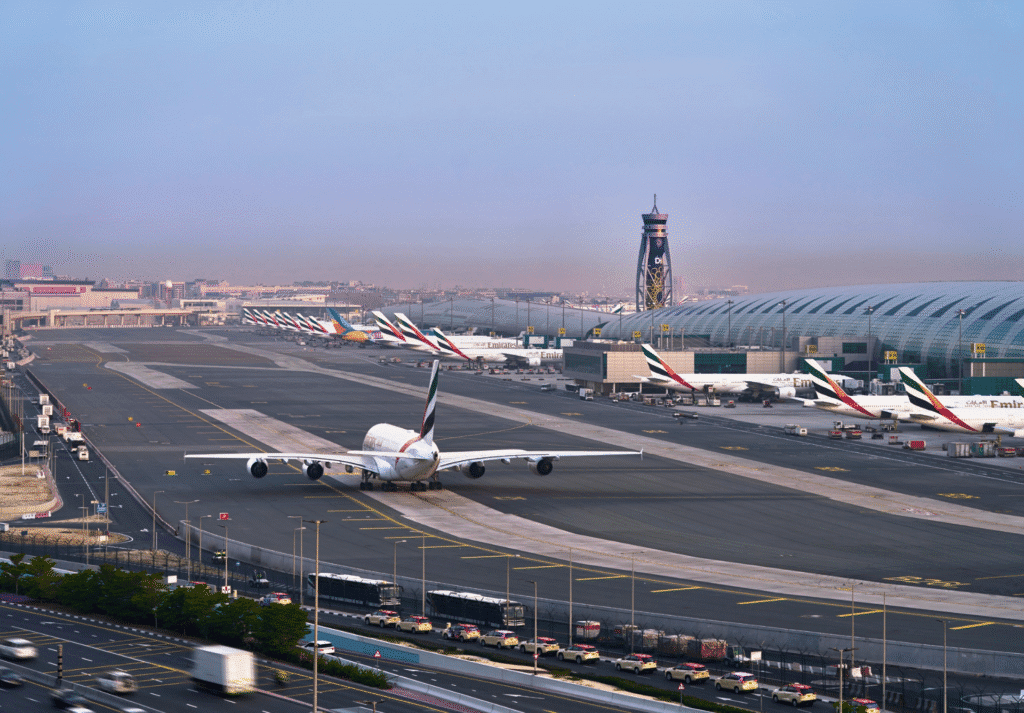
Dubai Airports announces zero-emission plan for 2030, marking a historic step toward sustainable aviation and environmental stewardship. The ambitious initiative aims to drastically reduce carbon emissions, enhance energy efficiency, and transform Dubai’s airport operations into a model of eco-friendly infrastructure.
By committing to a zero-emission future, Dubai Airports positions itself as a global leader in sustainable aviation while supporting the UAE’s broader climate goals and commitment to clean energy.
Vision for a Sustainable Future
The zero-emission plan reflects Dubai Airports’ long-term vision for sustainability, balancing growth with environmental responsibility. The initiative focuses on reducing carbon footprints, promoting renewable energy, and integrating innovative technologies to minimize environmental impact.

Achieving zero emissions by 2030 aligns with international climate targets and showcases Dubai’s leadership in combining economic development with environmental protection.
Green Infrastructure and Energy Efficiency
A core element of the plan involves upgrading airport infrastructure to incorporate energy-efficient systems, smart lighting, and climate-controlled environments powered by renewable energy. Solar panels, energy storage solutions, and advanced building management systems are central to achieving energy reduction goals.

These measures not only lower emissions but also enhance operational efficiency, reduce costs, and create a comfortable experience for passengers while promoting environmental sustainability.
Electrification of Ground Operations
Dubai Airports aims to electrify all ground operations, including baggage handling, passenger transport, and cargo logistics. Electric vehicles, automated tugs, and battery-powered equipment will replace traditional fuel-based machinery, significantly reducing greenhouse gas emissions.
This transformation improves air quality at airport terminals, reduces noise pollution, and demonstrates a strong commitment to eco-friendly practices in aviation operations.
Adoption of Renewable Energy Sources
Renewable energy adoption is a cornerstone of the zero-emission strategy. Dubai Airports plans to expand solar energy usage, invest in wind and alternative clean energy solutions, and incorporate energy-efficient systems across all facilities.
Sourcing power from renewable technologies ensures that airport operations are increasingly self-sufficient, resilient, and aligned with global sustainability standards.
Reducing Carbon Footprint Through Technology
Advanced technologies, including AI-driven energy management systems, predictive maintenance, and digital monitoring platforms, will help optimize airport operations and reduce emissions. Real-time data analytics allow for energy consumption tracking, predictive adjustments, and smarter operational decisions.
Technology-driven solutions ensure continuous improvement and enable Dubai Airports to maintain a high level of efficiency while working toward zero-emission targets.
Sustainable Aviation Fuel Integration
Dubai Airports supports airlines in transitioning to sustainable aviation fuels (SAFs) to reduce carbon emissions from flights. SAFs, derived from renewable sources, offer a cleaner alternative to conventional jet fuels, helping the aviation sector achieve substantial environmental gains.
By facilitating SAF adoption, Dubai Airports strengthens its role in promoting greener air travel and encourages industry-wide efforts to minimize environmental impact.
Collaboration With Airlines and Stakeholders
Achieving zero emissions requires collaboration with airlines, government agencies, technology providers, and environmental organizations. Dubai Airports is engaging partners to implement sustainable practices, share expertise, and jointly pursue innovative solutions for clean airport operations.
Collaborative efforts ensure that the zero-emission goal is realistic, measurable, and supported across the aviation ecosystem.
Enhancing Passenger and Cargo Experience
Sustainability initiatives also enhance the passenger and cargo experience. Efficient operations, quieter electric vehicles, and cleaner airport environments create a more pleasant journey for travelers while demonstrating Dubai Airports’ commitment to responsible management.
Sustainable cargo operations, including eco-friendly logistics and packaging, contribute to the airport’s overall carbon reduction objectives and appeal to environmentally conscious business partners.
Green Certifications and International Recognition
Dubai Airports aims to achieve global green certifications, demonstrating compliance with international environmental standards. Achieving such recognition strengthens Dubai’s reputation as a hub for sustainable aviation and positions the airport as a model for other global airports.
Certifications provide accountability, encourage continuous improvement, and highlight Dubai Airports’ leadership in climate-conscious infrastructure and operations.
Waste Reduction and Circular Economy
A key element of the zero-emission plan is reducing waste and promoting a circular economy. Recycling programs, sustainable material sourcing, and waste-to-energy initiatives minimize landfill contributions and encourage responsible consumption across airport facilities.
Waste reduction efforts complement energy efficiency measures, contributing to the overall sustainability of Dubai Airports and creating measurable environmental benefits.
Public Awareness and Education
Dubai Airports is committed to raising awareness about sustainability among passengers, staff, and stakeholders. Educational programs, informational campaigns, and interactive displays showcase the airport’s environmental initiatives and encourage eco-friendly behaviors.
Public engagement ensures that sustainability is integrated into the airport’s culture, creating a sense of collective responsibility and reinforcing Dubai Airports’ green vision.
Economic and Social Benefits
The zero-emission initiative delivers economic and social benefits, including job creation in green technology sectors, investment in renewable energy, and improved public health through cleaner air and reduced pollution.
Sustainable airport operations also attract eco-conscious travelers and businesses, enhancing Dubai’s global competitiveness and reinforcing its role as a leader in innovative, responsible infrastructure.
Monitoring and Reporting Progress
Dubai Airports will implement robust monitoring systems to track emissions, energy usage, and overall progress toward the 2030 goal. Transparent reporting ensures accountability, enables continuous improvement, and communicates achievements to stakeholders and the public.
Monitoring and reporting reinforce the credibility of the zero-emission plan and provide valuable insights for ongoing strategic planning.
Encouraging Industry-Wide Sustainability
By committing to zero emissions, Dubai Airports sets an example for the aviation and logistics industries. The initiative encourages airlines, cargo operators, and service providers to adopt cleaner technologies, reduce emissions, and integrate sustainable practices into their operations.
Industry-wide adoption amplifies the impact of Dubai Airports’ efforts, contributing to regional and global environmental benefits.
Long-Term Vision and Legacy
Dubai Airports’ zero-emission plan reflects a long-term commitment to sustainable development and environmental responsibility. By 2030, the airport aims not only to achieve carbon neutrality but also to establish a legacy of innovation, collaboration, and global leadership in eco-friendly aviation.
This vision ensures that Dubai Airports continues to grow while maintaining its commitment to protecting natural resources and promoting a healthier environment.
Conclusion
Dubai Airports announces zero-emission plan for 2030, showcasing its commitment to sustainability, innovation, and global leadership. By adopting renewable energy, electrifying operations, reducing waste, and collaborating with stakeholders, the airport is setting a benchmark for environmentally responsible aviation.
The initiative benefits the economy, society, and the environment, reinforcing Dubai’s position as a world-class aviation hub and a leader in sustainable development. With continuous innovation, transparent monitoring, and international cooperation, Dubai Airports is paving the way toward a greener, cleaner, and more resilient future.
Do follow UAE Stories on Instagram
Can I Eat in Public During Ramadan Dubai?