Introduction: A Landmark in Sustainable Architecture
Abu Dhabi builds the world’s first net-zero energy mosque using solar power and mud, marking a revolutionary step in sustainable religious architecture. This landmark project showcases the UAE’s commitment to environmental responsibility while blending tradition with innovation. By combining renewable energy technologies with natural construction materials, the mosque serves as both a place of worship and a model for sustainable urban development.
The Concept Behind the Mosque
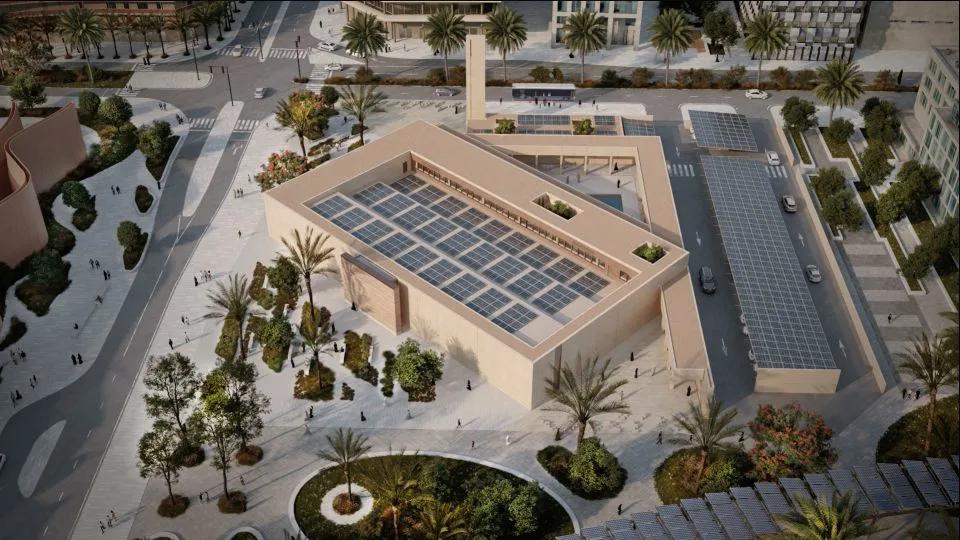
The mosque is designed to consume no more energy than it produces, making it a net-zero energy facility. Solar panels cover the roof and key areas, harvesting sunlight to power lighting, air conditioning, and other essential systems. Traditional mud bricks, a hallmark of Emirati heritage, are used for structural and aesthetic purposes, providing natural insulation while reducing carbon footprint. This combination of modern technology and cultural materials represents a fusion of sustainability and tradition.
Architectural Innovation and Design
Architectural experts in Abu Dhabi have created a mosque that balances spiritual significance with environmental innovation. The design incorporates natural ventilation, energy-efficient lighting, and smart building systems to optimize energy use. Open courtyards, shaded walkways, and carefully planned windows ensure maximum daylight while reducing heat gain. The mosque’s aesthetic blends traditional Islamic architectural patterns with contemporary sustainable design, creating a space that is both spiritually uplifting and environmentally responsible.

Solar Power: Energy Independence
Solar energy is central to the mosque’s net-zero vision. Photovoltaic panels installed on the roof and surrounding areas generate electricity to meet all the mosque’s energy demands. During peak sunlight hours, excess energy is stored or fed into the local grid, creating a self-sustaining system. This approach not only reduces operational costs but also sets a benchmark for renewable energy integration in large-scale public buildings.
Mud as a Sustainable Material
Mud bricks, traditionally used in Emirati architecture, play a crucial role in the mosque’s sustainability. Mud provides natural insulation, keeping interiors cooler in summer and warmer in winter, thereby reducing energy consumption for climate control. Using mud also significantly lowers the embodied carbon compared to conventional building materials like concrete or steel. This choice reflects a commitment to heritage while promoting environmentally conscious construction.

Environmental Benefits
The net-zero energy mosque demonstrates how urban structures can minimize environmental impact. By generating its own renewable energy and reducing reliance on non-renewable resources, the mosque significantly lowers greenhouse gas emissions. Water-efficient landscaping, passive cooling systems, and minimal waste strategies further enhance its ecological footprint, positioning it as a model for sustainable construction in the Middle East and beyond.
Community and Religious Significance
Beyond environmental impact, the mosque is designed to serve the local community as a center for worship, learning, and cultural engagement. Spacious prayer halls, classrooms, and multipurpose areas provide spaces for community activities. By combining sustainability with social functionality, the mosque fosters both environmental awareness and cultural continuity.
UAE Leadership in Sustainable Development
This mosque is a testament to Abu Dhabi and the UAE’s leadership in sustainable urban planning. The project aligns with national strategies to promote clean energy, reduce carbon emissions, and encourage innovation in architecture and urban development. As a globally recognized initiative, it highlights the UAE’s ambition to lead in environmental stewardship while respecting cultural heritage.
Educational Opportunities and Awareness
The mosque also serves as an educational hub for visitors, students, and professionals interested in sustainable architecture and renewable energy. Guided tours, workshops, and exhibitions explain the technology behind the solar panels, the benefits of mud bricks, and the mosque’s net-zero energy operations. These initiatives aim to inspire other construction projects in the region to adopt similar environmentally responsible approaches.
Integration with Urban Landscape
Strategically located, the mosque harmonizes with Abu Dhabi’s urban landscape. Landscaping around the mosque includes native plants, shaded walkways, and water-efficient irrigation systems. Pedestrian-friendly spaces encourage community interaction while minimizing environmental disruption. The mosque’s design demonstrates how sustainable structures can integrate seamlessly into urban environments, promoting a balance between modern living and ecological responsibility.
Global Recognition and Impact
The Abu Dhabi net-zero energy mosque is attracting global attention for its innovative approach. Architects, engineers, and sustainability experts around the world are studying the project as a benchmark for combining renewable energy with cultural heritage. International awards and recognition are expected to highlight the mosque’s role in shaping the future of sustainable architecture.

Challenges and Solutions
Constructing a net-zero energy mosque posed several challenges, including integrating modern solar technology with traditional materials and ensuring energy efficiency without compromising aesthetic or spiritual values. Engineers and architects addressed these challenges through innovative design, careful planning, and advanced modeling techniques. The successful completion of the mosque demonstrates that tradition and modern sustainability can coexist harmoniously.
Future Implications for Religious Architecture
The project sets a precedent for sustainable religious architecture globally. Mosques, churches, temples, and other religious structures can now explore renewable energy integration, energy efficiency, and the use of sustainable materials while maintaining cultural and spiritual significance. The Abu Dhabi mosque demonstrates that environmentally responsible design is compatible with religious tradition.
Conclusion: A Beacon of Sustainability and Tradition
Abu Dhabi builds the world’s first net-zero energy mosque using solar power and mud, creating a landmark that blends innovation, sustainability, and cultural heritage. Beyond its environmental benefits, the mosque serves as a spiritual, educational, and social hub, inspiring communities and architects alike. By leading the way in sustainable religious architecture, Abu Dhabi sets a global example for combining tradition with modern environmental responsibility.
Do follow UAE Stories on Instagram
Scorpions Are Coming to Abu Dhabi for a Big Concert