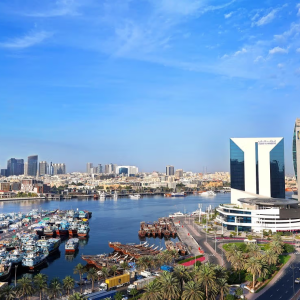

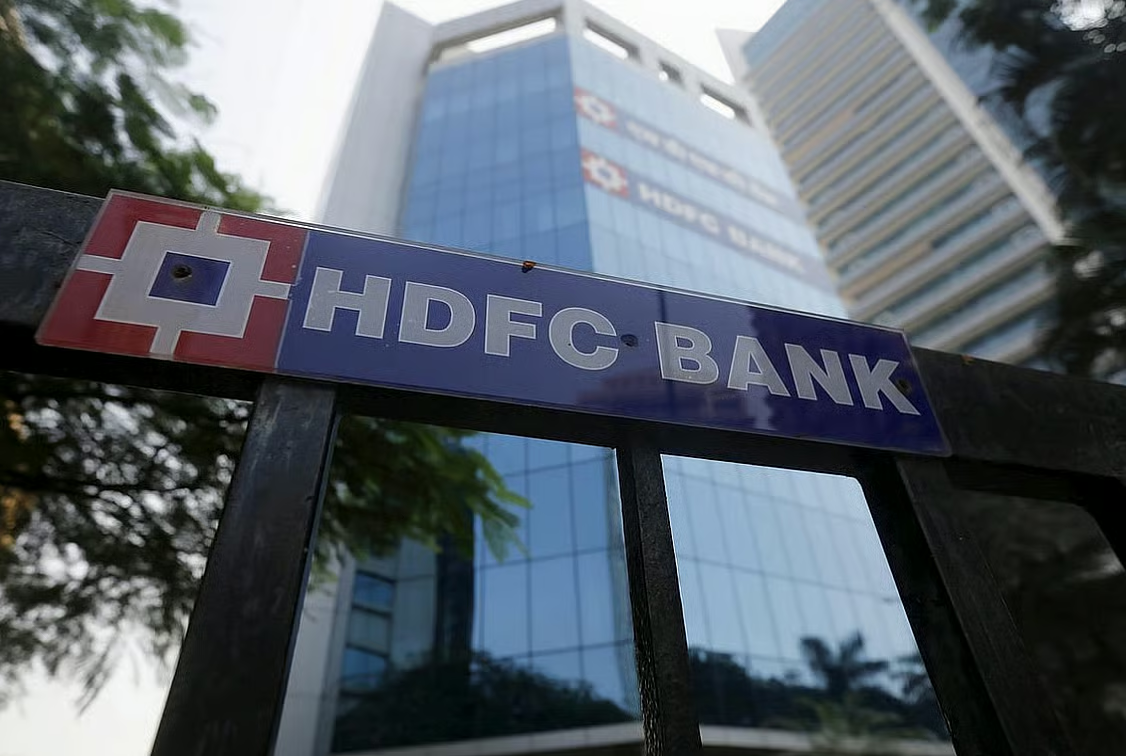
Dubai’s financial sector is known for its resilience, rapid growth, and global connectivity. Yet, recent headlines have drawn attention to a major Indian banking giant—HDFC Bank. The Dubai Financial Services Authority (DFSA), the key regulator overseeing financial services in the Dubai International Financial Centre (DIFC), has directed HDFC Bank’s DIFC branch to stop onboarding new clients.
This regulatory intervention has sparked debates across the financial community, raising questions about compliance, operational standards, and the long-term implications for one of India’s most trusted banks. Let’s explore what this development means, why it matters, and how it may impact investors, businesses, and the overall financial ecosystem in Dubai.
Understanding the DIFC and Its Importance
The Dubai International Financial Centre (DIFC) is not just another free zone. It is a global financial hub connecting the Middle East, Africa, and South Asia to international markets. With its independent regulatory framework, world-class infrastructure, and investor-friendly policies, DIFC has attracted leading banks, asset managers, insurers, and fintech companies.

For Indian banks, DIFC has been a gateway to the Middle East and beyond. Establishing branches in DIFC provides access to international clients, cross-border transactions, and capital markets. HDFC Bank, India’s largest private lender by market capitalization, saw DIFC as a strategic hub for expanding its global footprint.
Why HDFC Bank’s DIFC Branch Faces Restrictions
The DFSA’s decision to bar HDFC Bank’s DIFC branch from taking on new clients does not come lightly. Regulatory bodies typically act when there are concerns related to:

- Compliance with international banking standards
- Risk management frameworks
- Transparency and disclosures
- Anti-money laundering (AML) and counter-terrorist financing (CTF) practices
- Operational controls and governance structures
While the DFSA has not publicly disclosed every detail, such restrictions usually indicate gaps in compliance or governance that need urgent correction. For a bank like HDFC, which prides itself on credibility, this development is both reputationally and strategically significant.

The Impact on Existing Clients
One of the most important clarifications is that the restriction applies only to new clients. This means existing customers of HDFC Bank’s DIFC branch will continue to have access to services. Their deposits, investments, and financial relationships remain intact.
For many international clients—particularly non-resident Indians (NRIs) and businesses—the reassurance that their current dealings are unaffected is critical. However, uncertainty about the future of the branch may influence some clients to reconsider their long-term banking strategies.
What This Means for HDFC Bank Globally
HDFC Bank’s reputation as a trusted and reliable financial institution has long been one of its strongest assets. In India, it enjoys a market leadership position, with millions of customers and a vast branch network. Globally, however, the expectations are different.
Operating in jurisdictions like DIFC requires meeting higher levels of regulatory scrutiny. The restriction from DFSA could impact:
- Global Expansion Plans: HDFC has been steadily working to expand overseas, but restrictions like these may slow down its growth trajectory.
- Investor Confidence: Shareholders and investors may seek clarity on compliance issues before making long-term decisions.
- Brand Perception: While HDFC is a household name in India, such incidents can dent its international image.
Why Regulators Take Such Actions
The DFSA is known for its strict but fair regulatory framework. Unlike some jurisdictions where regulations may be more lenient, Dubai positions itself as a transparent, credible, and well-regulated market.
By restricting a leading international bank, the DFSA sends a clear message: no institution is above compliance. This is important for maintaining trust in the DIFC as a whole. Investors, multinational corporations, and high-net-worth individuals need to be assured that their financial dealings in Dubai meet the highest global standards.
The Ripple Effect on the Banking Community
When a major institution like HDFC Bank faces restrictions, the effects extend beyond a single branch. Other banks and financial institutions operating in DIFC will also feel the heat, leading to:
- Increased Scrutiny: Regulators may tighten checks across the board to ensure compliance.
- Higher Compliance Costs: Banks may need to invest more in technology, training, and governance.
- Client Reassurance Measures: Institutions may proactively communicate with clients to reinforce trust.
How HDFC Bank May Respond
For HDFC Bank, the path forward will likely involve working closely with the DFSA to address compliance gaps. Common corrective measures may include:
- Enhancing internal controls and processes
- Strengthening AML and risk management frameworks
- Improving reporting standards
- Appointing compliance-focused leadership roles within the branch
- Engaging external auditors for independent reviews
Such steps are not unusual in international banking. In fact, many global institutions have faced similar challenges and emerged stronger after aligning with regulatory expectations.
Lessons for Other International Banks
This situation highlights important lessons for other banks operating in DIFC or planning to enter global markets:
- Compliance is Non-Negotiable – Reputation and size are secondary to regulatory adherence.
- Continuous Monitoring is Essential – One-time compliance efforts are not enough; regulators expect ongoing vigilance.
- Transparency Builds Trust – Open communication with regulators and clients strengthens long-term resilience.
- Global Standards Apply Everywhere – International branches must meet not just home country regulations but global norms.
Potential Impact on Clients and Investors
For clients, the immediate impact may be minimal since existing relationships remain unaffected. However, long-term investors and corporate clients may reassess whether they should diversify their banking partners.
For investors in HDFC Bank, particularly those who watch international expansion closely, the development could lead to short-term caution. That said, if the bank addresses the concerns quickly and effectively, it could reinforce its reputation as a responsible institution.
The Bigger Picture: Dubai’s Financial Landscape
Dubai’s rise as a financial hub has been built on its ability to attract global institutions while maintaining world-class regulatory practices. Incidents like this do not undermine its growth. On the contrary, they reinforce the credibility of its regulatory framework.
For global investors, this is reassuring. A transparent system that holds even the biggest banks accountable ensures that the playing field is fair and trustworthy.
The Road Ahead for HDFC Bank
The future of HDFC Bank’s DIFC branch depends on how quickly and effectively it can address the DFSA’s concerns. With the bank’s strong track record, it is likely that corrective measures will be taken promptly.
Key steps may include:
- Detailed discussions with the regulator
- Implementation of new compliance programs
- Regular audits and monitoring
- Rebuilding client and stakeholder confidence
In the long run, this episode may even strengthen HDFC Bank’s global operations by forcing it to adopt more rigorous international standards.
Final Thoughts
The restriction on HDFC Bank’s DIFC branch is a reminder that global banking comes with complex responsibilities. While the short-term setback may raise concerns, the long-term picture could still be positive if the bank demonstrates its commitment to compliance and transparency.
For Dubai, this is another example of its commitment to maintaining integrity in its financial ecosystem. For HDFC Bank, it is a wake-up call and an opportunity to prove its resilience on the global stage.
Do follow UAE Stories on Instagram
Read more: iPhone 17 Air Price in Dubai: Everything You Need to Know