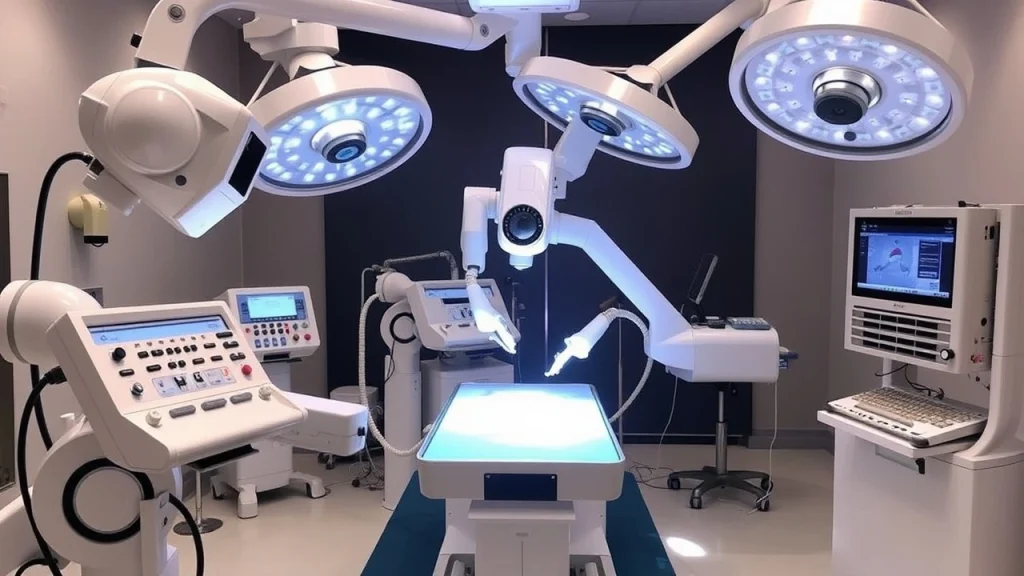
UAE hospitals introduce advanced robotic surgery program to redefine the landscape of medical care in the region. This cutting-edge initiative allows surgeons to perform complex procedures with unprecedented precision, safety, and efficiency. By integrating robotics into healthcare, the UAE is setting new standards for patient outcomes, minimizing recovery times, and providing access to the latest global surgical innovations.
Strategic Implementation of Robotic Surgery Programs in UAE Hospitals
The rollout of advanced robotic surgery programs in UAE hospitals is part of a strategic plan to modernize healthcare infrastructure. These programs focus on high-demand areas such as oncology, cardiology, urology, and orthopedic surgery. By targeting complex procedures, hospitals can offer minimally invasive solutions, reduce complications, and deliver enhanced surgical precision, positioning the UAE as a leader in advanced medical care.
Advanced Robotic Technology in Modern Healthcare
The robotic surgery systems implemented in UAE hospitals combine precision engineering, AI-assisted navigation, and real-time imaging. Surgeons operate through highly responsive robotic arms, guided by detailed 3D imaging and data-driven insights. This technology allows for more precise incisions, reduced blood loss, and faster recovery times, providing patients with a safer and more comfortable surgical experience.

Benefits of Robotic Surgery for Complex Treatments
UAE hospitals introduce advanced robotic surgery programs to improve outcomes for patients undergoing complex treatments. Benefits include enhanced accuracy, reduced surgical errors, smaller incisions, less postoperative pain, and shorter hospital stays. The integration of robotics also allows for more consistent results and higher success rates in intricate surgical procedures.
Training and Expertise of Surgeons
Successful robotic surgery programs rely on highly trained medical professionals. Surgeons in UAE hospitals undergo rigorous training to master robotic systems, simulation exercises, and advanced surgical techniques. Continuous professional development ensures that the medical teams remain at the forefront of innovation while delivering world-class care to patients.

Expanding Access to Specialized Surgeries
The introduction of robotic surgery programs in UAE hospitals increases access to specialized procedures. Patients requiring complex operations, previously limited to specific international centers, can now receive treatment locally. This expansion reduces travel burdens, enhances continuity of care, and promotes confidence in the nation’s healthcare capabilities.
Integration with Minimally Invasive Procedures
Robotic surgery programs are often integrated with minimally invasive techniques, further improving patient outcomes. Smaller incisions, precise movements, and enhanced visualization reduce the risk of infection, accelerate healing, and minimize scarring. Patients benefit from quicker recovery, allowing them to return to daily activities sooner while experiencing less discomfort.
Patient-Centered Care and Recovery
UAE hospitals prioritize patient-centered care in their robotic surgery programs. Preoperative consultations, personalized treatment plans, and post-surgery monitoring ensure that each patient receives tailored care. Enhanced communication, emotional support, and comprehensive recovery programs contribute to a positive surgical experience and improved long-term health outcomes.
Technological Collaboration and Research
The UAE’s advanced robotic surgery programs are supported by collaborations with international technology providers, medical research institutions, and global surgical experts. Joint initiatives promote innovation, clinical trials, and the development of new procedures. This collaboration ensures that UAE hospitals remain at the cutting edge of robotic-assisted medical treatments.
Economic and Social Impact of Robotic Surgery Expansion
The introduction of robotic surgery programs contributes to the UAE’s economic growth by attracting medical tourism, supporting high-skilled employment, and stimulating healthcare investment. Socially, it enhances public trust in healthcare systems, increases patient safety, and demonstrates a commitment to adopting advanced medical solutions for the community’s benefit.
Specialty Areas in Robotic Surgery
UAE hospitals utilize robotic systems across multiple specialty areas. In oncology, precise tumor removal reduces damage to surrounding tissue. In cardiology, delicate heart procedures benefit from enhanced visualization and controlled movements. Orthopedic and urological surgeries gain accuracy and reduced recovery times. By addressing complex cases across specialties, robotic programs offer comprehensive benefits to diverse patient groups.
Role of Artificial Intelligence in Surgical Precision
AI integration enhances robotic surgery by providing predictive analytics, real-time guidance, and decision support for surgeons. AI-assisted systems can analyze patient data, suggest optimal surgical approaches, and monitor intraoperative conditions. This combination of human expertise and AI support maximizes safety, reduces errors, and ensures high-quality outcomes for complex procedures.
International Recognition and Benchmarking
The advanced robotic surgery programs in UAE hospitals contribute to international recognition of the nation’s healthcare system. By adopting globally acclaimed technology, adhering to stringent safety standards, and participating in clinical research, UAE hospitals benchmark themselves against top medical institutions worldwide. This recognition attracts international patients and positions the UAE as a leader in innovative surgical care.
Patient Education and Awareness Programs
Patient awareness is key to the success of robotic surgery programs. UAE hospitals educate patients about robotic procedures, benefits, recovery expectations, and safety measures. Informative workshops, preoperative consultations, and digital resources ensure that patients feel informed, confident, and prepared for their treatments.
Integration with Telemedicine and Digital Health
Robotic surgery programs are complemented by telemedicine and digital health platforms. Remote consultations, digital monitoring, and virtual follow-ups allow patients to maintain continuous communication with their surgical teams. This integration improves convenience, accessibility, and the quality of care before and after surgery.

Future of Robotic Surgery in UAE Hospitals
The future of robotic surgery in UAE hospitals involves expanding program availability, incorporating next-generation robotics, and integrating AI-driven diagnostics and augmented reality. As technology evolves, hospitals will be able to tackle increasingly complex cases, improve patient outcomes, and maintain leadership in advanced medical procedures.
Community Health and Long-Term Benefits
Robotic surgery programs contribute to long-term community health by providing safer, more precise treatments. Reduced complications, quicker recovery, and improved outcomes translate into healthier populations and more efficient healthcare systems. Patients benefit not only from immediate treatment but also from sustained wellness and quality of life improvements.
Conclusion: UAE Hospitals Leading Robotic Surgery Innovation
UAE hospitals introduce advanced robotic surgery programs to transform complex treatments, combining precision technology, skilled surgeons, and patient-centered care. By expanding access, improving outcomes, and integrating innovation, these programs establish the UAE as a global hub for advanced surgical procedures. The combination of technological excellence, comprehensive training, and strategic healthcare planning ensures that patients receive world-class care while advancing the nation’s reputation as a leader in modern medicine.
Do follow UAE Stories on Instagram
Top Expat Networking Events in Dubai You Can’t Miss