

Abu Dhabi AI soil salinity initiatives are gaining momentum as the emirate faces increasing challenges related to soil degradation. Soil salinity, the accumulation of salts in the soil, has become a significant environmental concern in Abu Dhabi due to limited rainfall, high evaporation rates, and the extensive use of groundwater for irrigation. This growing problem threatens agricultural productivity, water sustainability, and food security, prompting local authorities to adopt cutting-edge technologies to address it.
Understanding Soil Salinity in Abu Dhabi
Soil salinity occurs when soluble salts build up in the soil, reducing its fertility and limiting crop growth. In Abu Dhabi, over 80% of irrigated lands are affected by salinity, making it a pressing agricultural issue. The Environment Agency – Abu Dhabi (EAD) has conducted extensive soil studies, analyzing hundreds of soil samples each year to assess salinity levels and identify polluted or at-risk areas.
Traditionally, soil monitoring relied on manual sampling and laboratory analysis, which were time-consuming and limited in coverage. However, the increasing scale of salinity problems has made conventional methods insufficient, highlighting the need for more advanced and real-time solutions.

The Role of Artificial Intelligence in Soil Monitoring
Artificial intelligence has emerged as a game-changing tool in combating soil salinity. AI algorithms can process vast amounts of data collected from multiple sources, such as field surveys, drones, and satellite imagery, to detect patterns and predict areas at risk of soil degradation. This capability allows authorities to implement timely interventions, such as modifying irrigation practices or introducing soil amendments.
AI also helps track environmental pollutants and assess their impact on soil quality. Machine learning models can identify subtle trends that may not be visible through traditional monitoring methods, enabling more proactive soil management strategies.

Integrating Drones and Satellite Technology
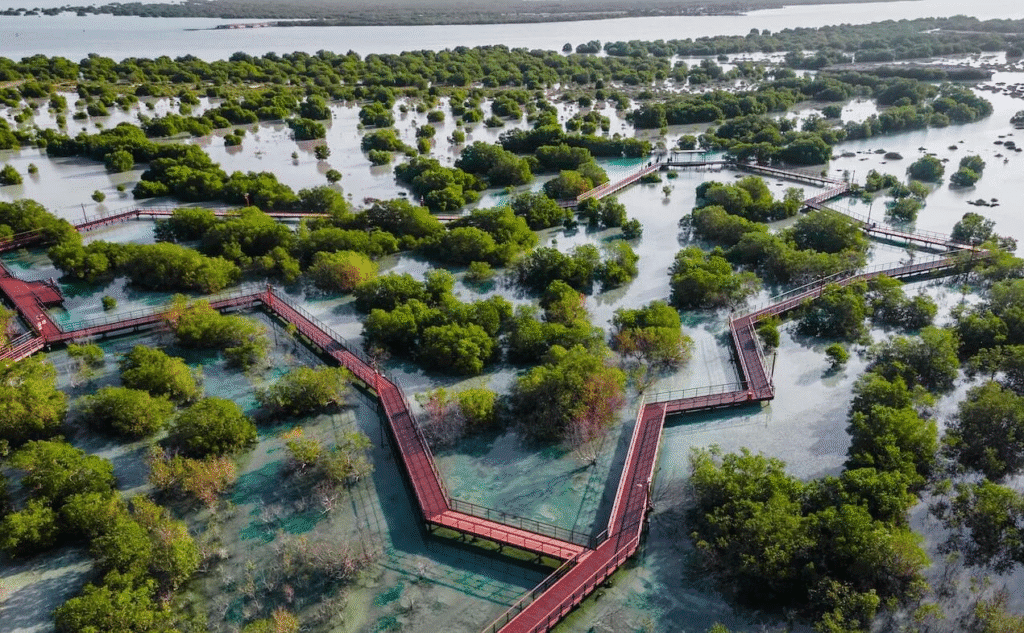
Drones and satellites are key components in Abu Dhabi’s approach to soil salinity. Drones equipped with high-resolution sensors capture detailed images of the soil, revealing variations in salinity levels across different regions. Satellite imagery complements this data by providing a broad overview of soil conditions over large areas.
By combining aerial and satellite data with AI analytics, EAD can create comprehensive maps showing soil health, salinity hotspots, and the impact of environmental stressors. These insights are essential for planning sustainable farming practices and implementing targeted interventions to improve soil quality.
Climate Change and Its Impact on Soil Salinity
Climate change exacerbates the soil salinity crisis in Abu Dhabi by increasing temperatures and altering precipitation patterns. With annual rainfall typically below 100 millimeters, the emirate faces significant challenges in replenishing soil moisture. The combination of high evaporation rates and saline groundwater used for irrigation accelerates soil degradation.
The EAD emphasizes that climate-resilient agricultural practices are crucial for mitigating these risks. AI-driven monitoring and predictive models allow farmers and authorities to adapt to changing climatic conditions, ensuring that soil management strategies remain effective even under extreme environmental stress.
Sustainable Farming Practices and Smart Irrigation
Sustainable farming is a key component of Abu Dhabi’s strategy to combat soil salinity. The Smart Irrigation Management System, for instance, is deployed in areas like Masdar City to optimize water usage. Using AI algorithms, the system monitors soil moisture levels, weather forecasts, and plant water requirements, automatically adjusting irrigation schedules to minimize water waste.
This technology reduces salinity buildup by avoiding over-irrigation and preventing waterlogging, which can concentrate salts in the soil. Smart irrigation systems also enhance crop productivity, conserve water resources, and support sustainable agriculture in the region.
Government Initiatives and Research Efforts
The Abu Dhabi government has been proactive in supporting research and development for soil health. The EAD continues to collect and analyze soil data, refine AI models, and collaborate with local and international experts to implement effective soil management solutions.
Research initiatives focus on innovative methods such as soil amendments, crop rotation strategies, and salt-tolerant crop varieties. These measures, combined with AI-driven monitoring, aim to reduce soil degradation, restore agricultural lands, and enhance food security.
The Future of Soil Salinity Management in Abu Dhabi
Looking ahead, Abu Dhabi plans to expand its use of AI and remote sensing to tackle soil salinity more effectively. Advanced machine learning models will provide predictive insights, enabling authorities to prevent salinization before it severely impacts agriculture. Continuous improvements in drone and satellite technology will enhance soil mapping accuracy, while AI will help optimize intervention strategies.
By integrating technology, research, and sustainable practices, Abu Dhabi is setting an example for other regions facing similar environmental challenges. The focus on AI-driven soil management not only addresses current salinity problems but also prepares the emirate for future climate-related threats.
Conclusion
Abu Dhabi’s efforts to address soil salinity using AI, drones, and satellite technology demonstrate a forward-thinking approach to environmental and agricultural challenges. By leveraging modern technologies, the emirate is ensuring sustainable soil management, protecting its agricultural sector, and securing food production for the future. The integration of AI with traditional farming knowledge and sustainable practices marks a new era in soil conservation, making Abu Dhabi a model for technological innovation in environmental management.
Do follow UAE Stories on Instagram
Read Next – Ajman Tourism China Roadshow 2025: Strengthening Global Partnerships