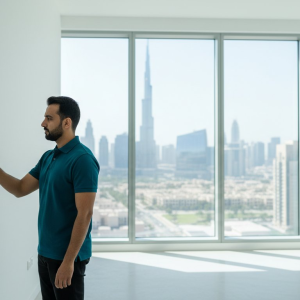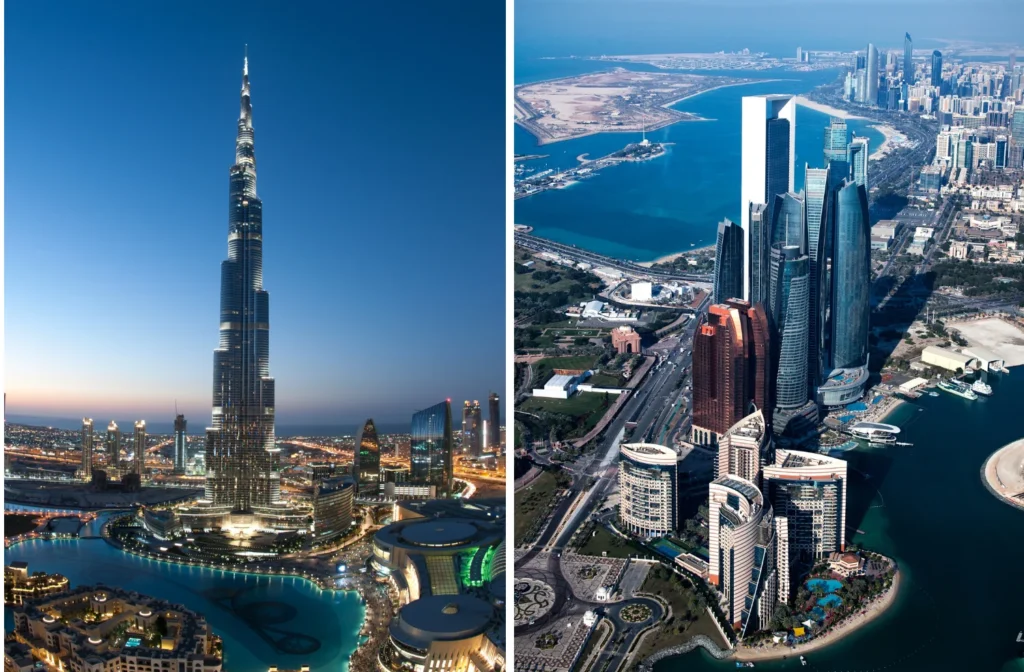
UAE smart city digital twins are redefining how urban planning, infrastructure management, and sustainable development are approached across the country. By creating highly detailed virtual replicas of cities, these digital twins enable real-time monitoring, predictive analysis, and improved decision-making for city planners, government authorities, and businesses.
As the UAE continues to invest in smart city initiatives, digital twin technology has emerged as a key driver for innovation, efficiency, and sustainability in urban management. Cities like Dubai and Abu Dhabi are leading the way, integrating data-driven simulations to optimize traffic flow, energy usage, and emergency response systems.
What Are Digital Twins in Smart Cities?
A digital twin is a virtual representation of a physical system, object, or environment that simulates real-world conditions using real-time data. In the context of smart cities, digital twins replicate buildings, infrastructure, utilities, and entire urban layouts, allowing authorities to monitor, analyze, and predict city performance.

Key features of UAE smart city digital twins include:
- Real-Time Monitoring: Live data from sensors and IoT devices is used to update city models continuously.
- Predictive Analytics: Simulations forecast traffic patterns, energy demand, and environmental changes.
- Resource Optimization: Efficient allocation of energy, water, and waste management systems.
- Emergency Management: Rapid scenario planning for disasters and public safety challenges.
- Sustainable Development Planning: Supports eco-friendly urban design and carbon footprint reduction.
Growth of Digital Twin Adoption in UAE
Several factors drive the adoption of digital twins in UAE smart cities:

- Vision 2021 and Beyond: National agendas emphasize digital transformation, sustainability, and innovation.
- Smart Infrastructure Projects: Mega projects like Dubai Silicon Oasis and Masdar City prioritize data-driven city planning.
- Global Innovation Leadership: UAE aims to become a world leader in technology-driven urban development.
- Investment in IoT and AI: Integration of sensors, AI algorithms, and cloud computing fuels digital twin capabilities.
Government initiatives and public-private partnerships are accelerating the integration of digital twin technology into urban management strategies.
Applications of Digital Twins in UAE Smart Cities
1. Urban Planning and Infrastructure Development
Digital twins provide architects and city planners with realistic simulations of new buildings, roads, and public spaces. They can visualize the impact of construction on traffic, population flow, and energy consumption before projects begin.
2. Traffic and Transportation Management
By integrating traffic data and predictive analytics, digital twins optimize road networks, reduce congestion, and improve public transportation planning. Authorities can test scenarios such as road closures or increased vehicle volumes without real-world disruptions.
3. Energy and Utilities Optimization
Digital twins monitor electricity, water, and gas networks in real time, enabling efficient resource allocation. Smart energy grids can predict demand fluctuations and reduce waste, contributing to sustainable urban living.
4. Environmental and Climate Monitoring
Cities use digital twins to track air quality, temperature, and pollution levels. Simulations allow authorities to plan green spaces, manage heat islands, and forecast climate-related risks.
5. Emergency and Disaster Response
Digital twins allow scenario testing for natural disasters, accidents, and public health crises. Authorities can simulate evacuation routes, emergency service allocation, and resource deployment efficiently.
6. Smart Building Management
Buildings equipped with IoT sensors integrate into city digital twins, enabling predictive maintenance, energy optimization, and indoor environmental control. Facility managers can track usage patterns and improve occupant comfort.
Advantages of Digital Twins for UAE Smart Cities
- Enhanced Decision-Making: Real-time insights and simulations guide informed policy and investment choices.
- Operational Efficiency: Optimized traffic, utilities, and city services reduce costs and improve quality of life.
- Sustainability: Supports energy-efficient design, renewable resource management, and environmental preservation.
- Risk Management: Predictive analytics improve resilience against emergencies and natural disasters.
- Innovation Leadership: Positions UAE cities as global models for technology-driven urban development.
Leading Digital Twin Projects in UAE
Several high-profile projects illustrate the power of UAE smart city digital twins:
- Dubai 3D Digital Twin: Dubai Municipality is building a detailed 3D model of the city for planning, traffic optimization, and environmental monitoring.
- Masdar City Digital Twin: Abu Dhabi’s eco-city integrates digital twin technology for energy management and sustainable urban planning.
- Dubai Industrial City: Smart digital models monitor factory operations, logistics, and supply chain efficiency.
- Public Safety Simulations: Police and emergency services use digital twins to model crowd management and disaster response scenarios.
These projects leverage IoT devices, AI algorithms, and cloud computing to ensure accurate, real-time digital representations of urban systems.
Challenges in Implementing Digital Twins
Despite the clear benefits, UAE smart city digital twins face several challenges:
- High Initial Investment: Developing comprehensive city-scale digital twins requires significant funding.
- Data Privacy and Security: Ensuring sensitive urban data is secure from cyber threats is critical.
- Interoperability: Integrating data from diverse sources and legacy systems can be complex.
- Technical Expertise: Skilled professionals are required to design, implement, and maintain digital twin systems.
- Continuous Data Management: Maintaining accurate real-time updates from millions of sensors is a technical challenge.
Addressing these issues is crucial for scaling digital twin adoption across all urban areas.
Emerging Trends in UAE Smart City Digital Twins
AI-Driven Predictive Analytics
Artificial intelligence enhances digital twins by predicting city patterns, such as energy usage, traffic congestion, and public health risks.
IoT Integration
Smart sensors in buildings, roads, and public spaces continuously feed data to city digital twins, improving real-time accuracy and decision-making.
Citizen Engagement
Digital twins are being integrated into public platforms, allowing citizens to provide feedback and participate in urban planning processes.
Sustainable Urban Design
Digital twins help cities simulate energy-efficient designs, green building layouts, and low-carbon urban environments.
Multi-City Collaboration
Cities are beginning to share digital twin frameworks, enabling collaboration and knowledge exchange between UAE and global urban centers.

Government and Institutional Support
The UAE government strongly supports smart city digital twin initiatives:
- Dubai Smart City Initiative: Encourages technology-driven urban management and innovation.
- Abu Dhabi Digital Authority: Invests in AI, IoT, and digital twin technology for city planning and sustainability.
- Public-Private Partnerships: Collaborative projects between tech firms and government bodies accelerate digital twin deployment.
- Technology Expos and Innovation Hubs: Platforms for showcasing digital twin applications, attracting global investment and talent.
Government backing ensures long-term commitment to the development and integration of smart city digital twins across UAE cities.
Future Outlook
UAE smart city digital twins are poised to transform urban development over the next decade:
- Wider Adoption: More cities and districts will implement digital twins for planning and operational management.
- Enhanced AI Capabilities: Predictive simulations will become increasingly accurate and proactive.
- Citizen-Centric Services: Digital twins will support personalized urban services, improving residents’ quality of life.
- Global Leadership: UAE will become a model for integrating digital twin technology in smart city planning.
- Sustainable Urban Growth: Cities will optimize energy, resources, and environmental impact through advanced simulations.
The convergence of AI, IoT, and digital twin technology will ensure UAE cities remain at the forefront of smart city innovation.
Conclusion
UAE smart city digital twins are revolutionizing urban planning, infrastructure management, and sustainability. By providing a detailed, real-time virtual representation of urban systems, these technologies enable predictive analytics, efficient resource management, and innovative city design. Government support, technological advancements, and public-private collaborations are driving adoption, positioning UAE cities as global leaders in smart city development.
As digital twins continue to evolve, they will enhance decision-making, improve citizens’ quality of life, and set a benchmark for future cities worldwide. UAE smart city digital twins represent a transformative leap toward more sustainable, efficient, and resilient urban living.
Do follow UAE Stories on Instagram
How to Stay Compliant With UAE Drug Laws as an Expat