

A motorcycle license in Dubai is a legal requirement for anyone wishing to ride a motorcycle on the roads. The licensing process ensures that riders are properly trained, aware of road safety regulations, and equipped with the necessary skills to navigate traffic safely. Whether you are a UAE resident, a new expatriate, or planning to transfer a foreign license, understanding the entire process is essential. This guide covers everything you need to know about obtaining a motorcycle license in Dubai, including eligibility, required documents, training, costs, procedures, and practical tips.
Eligibility Criteria
Before applying for a motorcycle license in Dubai, you must meet specific eligibility criteria set by the Roads and Transport Authority (RTA). These criteria include age, residency, and medical fitness.
Age Requirement

- Applicants must be at least 17 years old to obtain a light motorcycle license, which covers motorcycles with smaller engine capacities.
- For a heavy motorcycle license, which allows riding motorcycles with larger engine capacities, the minimum age requirement is 18 years.
Residency Status
- You must hold a valid UAE residency visa to apply for a license.
- A valid Emirates ID is required to verify identity and residency status.
Medical Fitness

- Applicants must pass an eye test conducted at an RTA-approved center to ensure they meet the visual standards required for safe riding.
Meeting these eligibility criteria is the first step toward obtaining a motorcycle license in Dubai.
Required Documents
Having all required documents ready is crucial before starting the licensing process. Missing or incomplete documents can delay your application. Required documents include:
- Original Emirates ID
- Valid UAE residency visa
- Eye test report from an RTA-approved center
- Two recent passport-sized photographs
- No Objection Certificate (NOC) from a sponsor or employer, if applicable
It is recommended to organize all documents in advance and ensure that they are current to avoid any delays during submission.
Training and Course Structure
Training is a fundamental part of obtaining a motorcycle license in Dubai. All applicants must complete both theoretical and practical courses at RTA-approved driving schools. The training program ensures that learners understand traffic rules, road safety, and how to operate a motorcycle responsibly.
Theory Classes
Theory lessons provide the foundation for safe motorcycle riding. These lessons typically cover:
- Introduction to motorcycle operation, handling, and control
- Traffic signs, rules, and regulations in Dubai
- Safety measures, including protective gear and riding techniques
- Risk management and emergency response procedures
Practical Training
Practical training allows learners to apply their theoretical knowledge in controlled environments before riding on public roads. It includes:
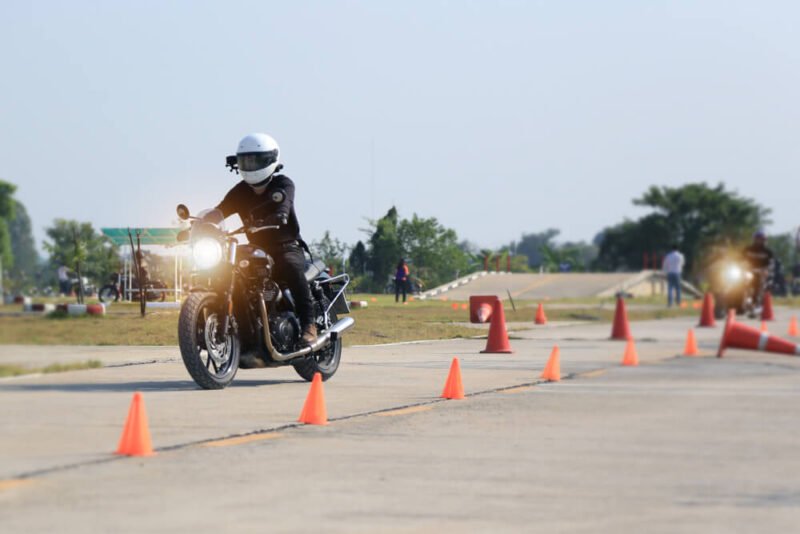
- Yard training in a closed circuit to practice basic maneuvers such as braking, turning, and balance
- Road training on public streets under the supervision of certified instructors
Test Requirements
Applicants must pass a series of tests to demonstrate competency:
- A theoretical knowledge test that assesses understanding of traffic rules and safety measures
- A yard test to evaluate practical riding skills in a controlled environment
- A road test to ensure the rider can safely navigate real traffic conditions
Completing both theory and practical training is mandatory, and performance in these tests determines eligibility for license issuance.
Cost Breakdown
Obtaining a motorcycle license in Dubai involves several costs, including training fees, RTA charges, and additional expenses for equipment and insurance. Costs can vary depending on the driving school and type of license.
Training Fees
- Light motorcycle license: AED 1,500 to AED 2,000
- Heavy motorcycle license: AED 2,000 to AED 3,000
RTA Fees
- Registration and exam fees: AED 200 to AED 300
- License issuance: AED 300 to AED 400
Additional Costs
- Helmet and safety gear: AED 200 to AED 1,000
- Insurance: AED 500 to AED 1,500
These fees cover essential aspects of training and licensing, ensuring that riders receive proper education and safety equipment. Prices may vary based on the chosen driving school and individual circumstances.
Step-by-Step Process
The motorcycle licensing process in Dubai follows a structured sequence of steps to ensure that all applicants meet safety and competency standards.
1. Select an RTA-Approved Driving School
Choose an accredited driving school that offers motorcycle training. Reputable schools in Dubai include Emirates Driving Institute, Galadari Motor Driving Centre, and Belhasa Driving Centre. Selecting a recognized school ensures access to certified instructors and proper training facilities.
2. Open a Traffic File
Applicants must open a traffic file with the RTA. This involves submitting the required documents and paying a fee. The traffic file serves as a record for all training and testing activities during the licensing process.
3. Undergo Eye Test
All applicants must pass an eye test at an RTA-approved center. This test ensures that you meet the visual standards necessary for safe riding. The results are submitted to the driving school and the RTA.
4. Enroll in Training
After opening a traffic file, applicants enroll in both theoretical and practical courses. The number of training sessions may vary depending on prior experience and proficiency. Consistent attendance and practice are essential for success in the tests.
5. Pass Required Tests
Applicants must complete three main tests:
- Theoretical test: Covers traffic rules, road signs, and safety practices
- Yard test: Assesses motorcycle handling and maneuvering skills
- Road test: Evaluates the rider’s ability to operate a motorcycle safely in real traffic conditions
6. Obtain License
Once all tests are successfully passed, the applicant pays the license issuance fee, and the motorcycle license is issued. The license is valid for a specified period and must be renewed according to RTA regulations.
License Transfer for Expatriates
Expatriates holding a valid motorcycle license from their home country may be eligible to transfer it to a UAE license. This process involves several requirements:
- The original license must come from a country recognized by the UAE for direct license exchange
- The license must be valid and legally translated if not issued in English or Arabic
- An eye test is required, and some applicants may need to pass a knowledge test depending on the country of origin
License transfer agreements with specific countries allow expatriates to obtain a UAE motorcycle license without completing the full training program. Applicants should verify eligibility before proceeding.
Important Tips for Applicants
Timely Application
Ensure all documents, including residency visa and Emirates ID, are valid. Submitting incomplete or expired documents can cause delays in the licensing process.
Choose Reputable Schools
Opt for RTA-approved driving schools with experienced instructors and positive reviews. A well-structured training program increases the likelihood of passing the tests on the first attempt.
Prepare for Tests
Study theoretical material thoroughly, practice riding skills regularly, and familiarize yourself with road conditions in Dubai. Preparation is key to success in both theory and practical assessments.
Safety First
Always use protective gear, including a helmet, gloves, and suitable clothing. Understanding the importance of safety is a core aspect of motorcycle training in Dubai.
Practice Consistently
Even after completing your license, regular practice improves riding skills and increases confidence on busy roads.

Additional Considerations
Insurance Requirements
Motorcycle insurance is mandatory in Dubai. It is important to compare policies to ensure adequate coverage. Insurance costs vary based on motorcycle type, engine capacity, and rider experience.
Vehicle Selection
Selecting a motorcycle appropriate for your skill level is important, especially for new riders. Light motorcycles are recommended for beginners, while experienced riders may opt for heavier motorcycles.
Traffic Regulations
Dubai has strict traffic laws. Familiarize yourself with speed limits, lane regulations, and rules for safe overtaking. Obeying these rules not only ensures safety but also helps avoid fines and penalties.
Renewals
Motorcycle licenses in Dubai are valid for a specific period, typically 10 years for residents. Renewals require a valid Emirates ID, passing a medical or eye test if needed, and paying renewal fees.
Benefits of Obtaining a Motorcycle License
Legal Compliance
Riding without a license is illegal and can result in fines, vehicle impoundment, or legal penalties.
Enhanced Safety
Licensed riders are trained in road safety, which reduces the risk of accidents.
Insurance Advantages
Having a valid license ensures eligibility for motorcycle insurance and can reduce premiums.
Freedom and Mobility
A motorcycle license provides the flexibility to travel quickly through traffic, offering a convenient and efficient mode of transportation in a busy city like Dubai.
Skill Development
The training program improves riding skills, awareness of traffic situations, and emergency handling abilities.
Conclusion
Obtaining a motorcycle license in Dubai is a structured and thorough process designed to ensure rider safety and road discipline. From meeting eligibility criteria to completing theoretical and practical training, understanding the entire process helps applicants navigate it efficiently. With proper preparation, choosing the right training school, and following all RTA procedures, aspiring motorcyclists can secure their license and enjoy the benefits of safe and legal motorcycle riding in Dubai.
A motorcycle license in Dubai not only provides legal authorization to ride but also instills confidence, responsibility, and awareness on the road. By following the guidelines in this comprehensive guide, applicants can successfully obtain their license and enjoy the freedom and mobility that comes with motorcycle riding in one of the world’s most dynamic cities.
Do follow UAE Stories on Instagram
Read Next – Juan Valdez Dubai: Bringing Authentic Colombian Coffee to the Heart of the City