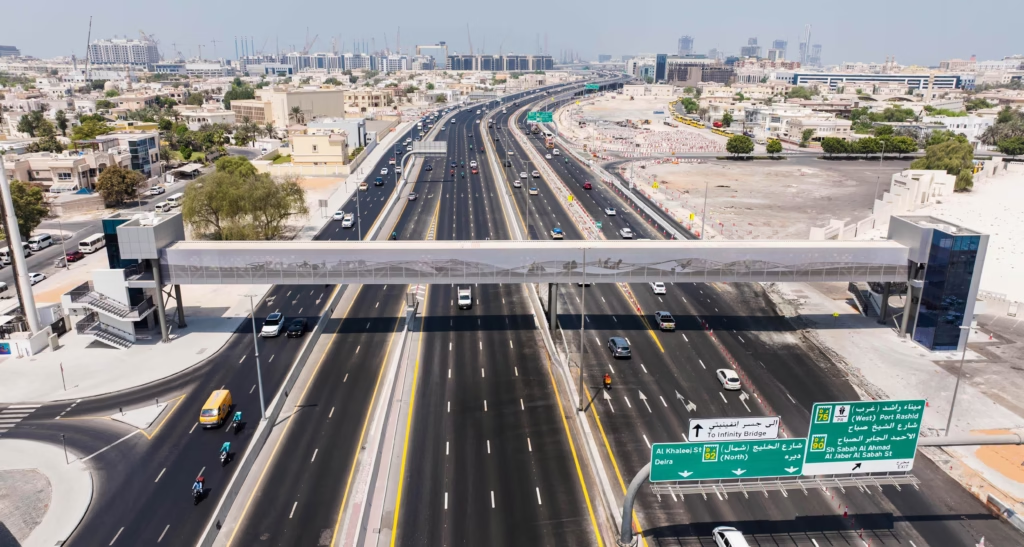
Dubai has taken another major step in improving urban infrastructure and road safety by opening two new pedestrian bridges on Sheikh Rashid Street and Al Mina Street. These bridges are part of a broader effort to enhance traffic flow, reduce accidents, and promote a pedestrian-friendly environment. The initiative reflects Dubai’s ongoing commitment to making streets safer, improving mobility, and providing residents and visitors with modern facilities that support sustainable transport options.
The two pedestrian bridges not only aim to reduce congestion but also encourage walking and cycling as practical alternatives to driving short distances. Both bridges are equipped with modern facilities including elevators, staircases, and ramps, ensuring that they are accessible to all, including the elderly and people with disabilities. With these bridges now operational, crossing busy streets has become safer and more convenient for everyone.
Strategic Placement to Maximize Safety
The first bridge on Sheikh Rashid Street stretches 91 meters and connects two key commercial and residential areas. This location was selected following extensive traffic studies that identified a high volume of pedestrians crossing the road daily. Before the bridge’s construction, pedestrians often crossed directly on the street, creating dangerous situations and contributing to traffic slowdowns.

The second bridge on Al Mina Street is slightly longer, spanning 109 meters. This bridge links major shopping areas and nearby residential communities, where foot traffic is particularly high. Its placement reduces the need for pedestrians to cross at street level, significantly lowering the risk of accidents and improving overall traffic flow.
Both bridges have been designed with safety in mind. They feature non-slip surfaces, protective railings, and adequate lighting to ensure pedestrian safety at night. Additionally, the wide walkways allow for both pedestrians and cyclists to use the bridges simultaneously, encouraging eco-friendly travel within the city.

Reducing Traffic Congestion
Traffic congestion is a growing challenge in Dubai, particularly in busy commercial zones and residential areas. Pedestrian bridges provide an effective solution by separating foot traffic from vehicle traffic. This separation minimizes the need for vehicles to slow down for pedestrians, improving overall travel times and reducing the likelihood of accidents.
By offering safe and convenient alternatives to street-level crossings, these bridges encourage residents to walk rather than drive for short trips. This not only reduces the number of vehicles on the road but also contributes to cleaner air and a healthier urban environment. Over time, the integration of pedestrian infrastructure is expected to create smoother traffic patterns, decrease congestion during peak hours, and improve the commuting experience for both drivers and pedestrians.

Supporting Sustainable Urban Mobility
Dubai’s vision for the future includes creating a city that prioritizes sustainable transport. The pedestrian bridges are part of a wider initiative to promote walking, cycling, and the use of public transport. They integrate with bus stops, metro stations, and cycling routes, making it easier for residents to combine different modes of travel.
Encouraging walking and cycling has multiple benefits. It reduces vehicle emissions, lowers traffic density, and promotes healthier lifestyles. The bridges also provide residents with safer options for commuting to work, school, or recreational areas, making active travel a more attractive choice.
In addition to promoting environmental sustainability, these bridges play a key role in urban planning. By strategically placing infrastructure where it is most needed, the city ensures that residents can move efficiently while maintaining safety. Dubai’s focus on pedestrian-friendly infrastructure demonstrates a long-term commitment to creating livable, inclusive, and environmentally conscious urban spaces.
Features of the New Bridges
Both pedestrian bridges boast modern, high-quality designs tailored to the needs of daily commuters. Key features include accessibility with lifts and ramps, safety with protective barriers, non-slip surfaces, and bright lighting, capacity with wide walkways to accommodate high pedestrian and cycling traffic, aesthetics with modern designs complementing Dubai’s urban landscape, and integration with nearby metro stations, bus stops, and cycling paths.
These features make the bridges more than simple crossings; they are fully integrated pieces of urban infrastructure that improve the overall commuting experience.
Future Plans for Pedestrian Infrastructure
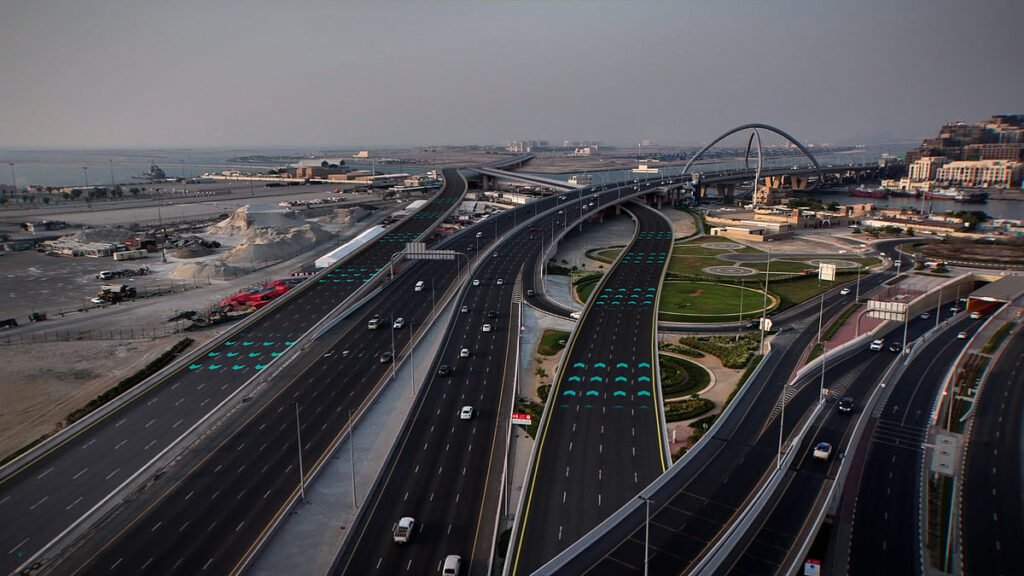
Dubai has ambitious plans to continue expanding pedestrian and cyclist infrastructure across the city. The Roads and Transport Authority (RTA) has outlined projects to construct several additional pedestrian and cyclist bridges by 2030. These bridges will be strategically located in high-traffic areas, including Sheikh Zayed Road, Al Khail Road, and the Al Quoz Creative Zone.
The planning process for these projects involves detailed studies of traffic patterns, population density, land use, and proximity to public transport. By carefully evaluating these factors, Dubai ensures that each bridge provides maximum benefit in terms of safety, accessibility, and convenience.
In addition to bridges, the city is also enhancing sidewalks, cycle lanes, and pedestrian crossings, creating a comprehensive network that promotes active travel. These improvements are part of Dubai’s vision to make walking and cycling safer, easier, and more appealing for everyone.
Positive Impact on Communities
The new pedestrian bridges are expected to have significant benefits for local communities. Residents can now safely access schools, shopping centers, parks, and public transport without risking their safety. Reduced traffic congestion also means less noise, lower emissions, and a more pleasant urban environment.
Businesses near these bridges are likely to see increased foot traffic, creating opportunities for economic growth. Pedestrian-friendly infrastructure encourages residents and tourists to explore local areas on foot, contributing to vibrant community spaces and supporting small businesses.
Long-Term Benefits
Investing in pedestrian infrastructure has long-term benefits for cities like Dubai. These include improved safety with fewer pedestrian accidents, better traffic flow with reduced congestion, sustainability with reduced emissions, health benefits by promoting active travel, and enhanced urban livability with more inclusive and enjoyable streets.
By prioritizing pedestrians and cyclists, Dubai is setting an example for cities around the world. These bridges are more than functional structures—they are part of a broader vision for a modern, sustainable, and livable city.
Conclusion
The opening of the pedestrian bridges on Sheikh Rashid Street and Al Mina Street is a milestone in Dubai’s journey toward safer, more sustainable, and accessible urban spaces. These bridges provide practical solutions to traffic congestion, enhance safety for residents and visitors, and support active and sustainable mobility.
Dubai’s ongoing investments in pedestrian and cyclist infrastructure demonstrate a commitment to improving the quality of life for its citizens. As more bridges and walking routes are developed across the city, residents can expect safer streets, improved accessibility, and a more sustainable urban environment.
The new bridges are a symbol of Dubai’s dedication to modern infrastructure, urban planning excellence, and forward-thinking city design. They highlight the city’s commitment to not only keeping up with global trends but setting benchmarks for road safety, sustainability, and pedestrian-friendly development.
With these developments, Dubai continues to build a future where safety, accessibility, and sustainability are at the heart of urban mobility. Residents, commuters, and tourists alike now benefit from a city that prioritizes people over vehicles, making Dubai a truly modern and livable metropolis.
Do follow UAE Stories on Instagram
Read Next – Spectacular Abu Dhabi Compak Sporting Championship 2025 Thrills Global Shooters