US approves $14m package to help Lebanon disarm Hezbollah, a move that signals Washington’s renewed commitment to strengthening Lebanese state institutions and reducing the group’s influence. This package marks a new phase in U.S. involvement in Middle Eastern security and highlights the urgency of Lebanon’s fragile political and security landscape.
The decision, which has already sparked mixed reactions across the region, comes at a time when Lebanon is enduring one of the worst economic and political crises in its history. It also raises key questions about U.S. foreign policy, the country’s sovereignty, and the long-term role of Hezbollah in Lebanon’s future.
Why the US approves $14m package to help Lebanon disarm Hezbollah
The approval of this package reflects Washington’s concern over Hezbollah’s military and political influence in Lebanon. For decades, Hezbollah has functioned as both a political party and a militia. While it enjoys support from segments of Lebanese society, critics accuse it of undermining the state, aligning with Iran’s regional agenda, and destabilizing Lebanon’s sovereignty.

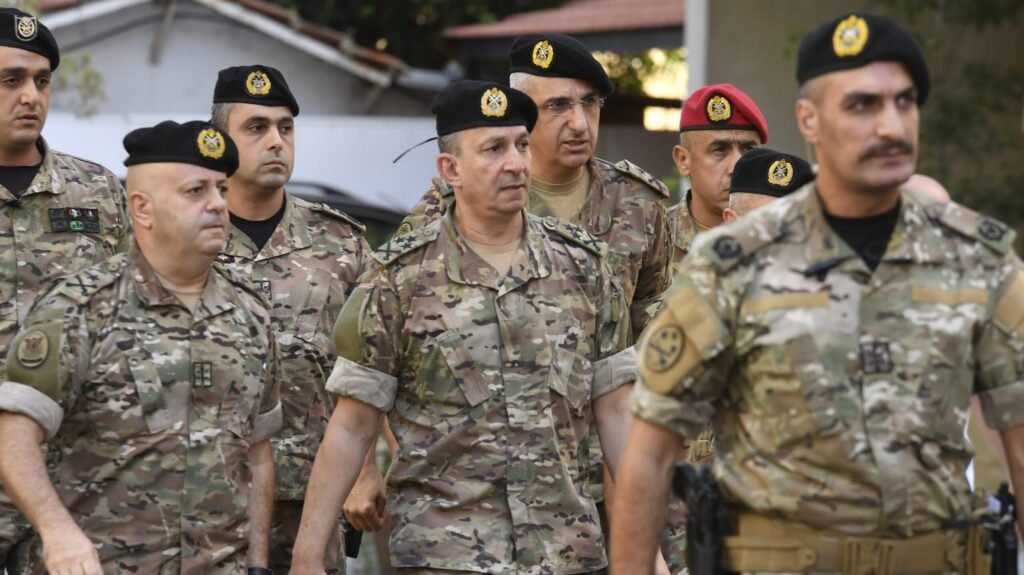
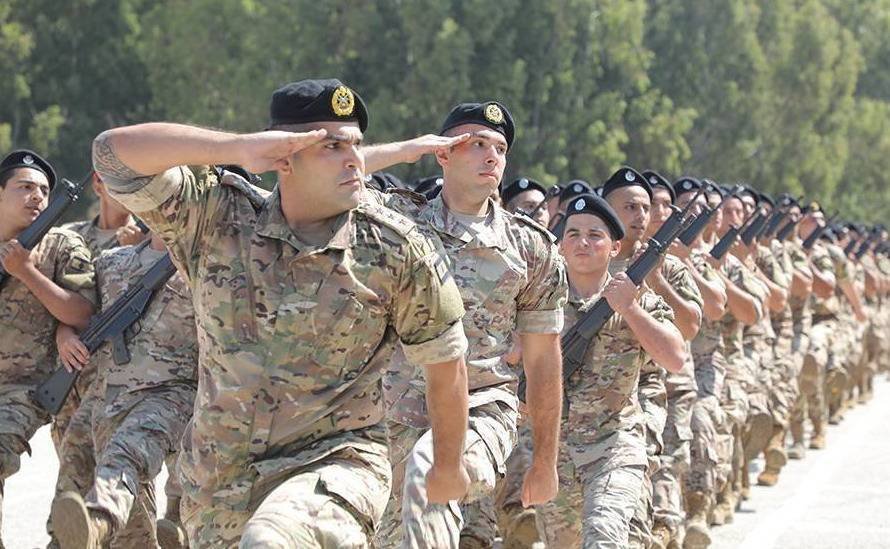
The $14 million package is intended to strengthen Lebanon’s official institutions, especially the Lebanese Armed Forces (LAF), while supporting disarmament efforts. Rather than confronting Hezbollah directly, Washington’s goal is to gradually limit its dominance by empowering the state.
Lebanon’s fragile security landscape
Lebanon is a country deeply scarred by decades of civil war, foreign interventions, and sectarian conflict. While the Lebanese Armed Forces are recognized internationally as the official military of the state, they are often underfunded, politically constrained, and overshadowed by Hezbollah’s military wing.

Hezbollah’s arsenal is estimated to include tens of thousands of rockets, drones, and advanced weaponry, much of it reportedly supplied through Iran and Syria. This imbalance has made it difficult for the Lebanese state to establish full sovereignty over its territory.
The U.S. aid package seeks to address this imbalance by:
• Enhancing the Lebanese army’s training and operational capacity
• Funding disarmament and demobilization programs
• Supporting governance reforms to reduce corruption and inefficiency
• Encouraging dialogue between communities to avoid renewed sectarian violence
What the $14m package includes
Though the details remain somewhat limited, U.S. officials outlined the primary areas of spending for the package:
- Military assistance: Providing equipment, training, and logistics to the Lebanese Armed Forces
- Technical support: Helping Lebanese security agencies improve intelligence sharing and monitoring capabilities
- Community programs: Supporting local initiatives to reintegrate former fighters and prevent radicalization
- Governance reforms: Backing efforts to build stronger, transparent state institutions to reduce Hezbollah’s leverage
The idea is not to confront Hezbollah head on militarily but to strengthen the Lebanese state in ways that gradually reduce the group’s dominance.
Hezbollah’s role in Lebanon
To understand the significance of this U.S. package, it is important to look at Hezbollah’s unique position. Unlike most armed groups in the region, Hezbollah is both a political movement and a paramilitary organization. It holds seats in Lebanon’s parliament, provides social services in Shiite majority areas, and maintains a powerful military wing.
For many Lebanese, Hezbollah is seen as a resistance movement that defended the country against Israeli invasions. For others, it represents an armed faction that undermines Lebanon’s sovereignty, drags the country into regional conflicts, and strengthens Iran’s influence.
The U.S., Israel, and several Arab states classify Hezbollah as a terrorist organization. However, within Lebanon, the group enjoys legitimacy among its supporters and remains deeply embedded in the country’s political system.
Reactions inside Lebanon
The U.S. announcement has triggered mixed responses in Lebanon:
• Supporters of the move argue that strengthening the Lebanese state is essential for stability. They see the package as a step toward limiting Hezbollah’s unchecked power
• Critics, however, warn that the package is too small to make a real difference and risks being seen as U.S. interference in Lebanon’s internal affairs
• Hezbollah’s leadership has condemned such initiatives in the past, framing them as attempts to weaken the resistance against Israel and diminish Lebanon’s sovereignty
Ordinary Lebanese citizens remain divided. Some are hopeful that stronger institutions can bring stability and reduce corruption, while others fear that the aid will not address the country’s deeper economic and political problems.
Regional implications
The U.S. decision also has significant regional dimensions. Hezbollah is widely seen as Iran’s most powerful ally outside its borders. Any effort to weaken the group is therefore viewed in Tehran as an attack on its influence in the Middle East.
For Israel, the U.S. initiative is welcome but may be seen as insufficient. Israel has long regarded Hezbollah as its most dangerous non state adversary, with an arsenal capable of striking deep into Israeli territory.
Meanwhile, Gulf states such as Saudi Arabia and the United Arab Emirates may view the U.S. package as a positive step but remain skeptical about whether it can truly reduce Hezbollah’s power.
Challenges ahead
While the $14 million package is symbolically important, several challenges remain:
- Scale of funding: Compared to Hezbollah’s estimated military resources, $14 million is modest. Critics argue it is unlikely to significantly alter the balance of power
- Political obstacles: Lebanon’s political system is heavily divided, and efforts to strengthen state institutions may be blocked by factions allied with Hezbollah
- Economic crisis: Lebanon’s financial collapse has left millions in poverty. Without addressing economic hardships, security initiatives alone may not succeed
- Public perception: U.S. involvement in Lebanon is often viewed with suspicion. Any aid package risks being politicized or rejected by parts of the population
Could disarmament really happen?
Disarming Hezbollah is one of the most contentious issues in Lebanese politics. Previous attempts have failed due to the group’s entrenched position, popular support among Shiite communities, and its role as a key player in the country’s defense narrative.
The U.S. package is unlikely to achieve full disarmament in the near future. Instead, it may be better understood as part of a gradual strategy to strengthen state institutions, limit Hezbollah’s parallel authority, and create conditions where disarmament becomes possible in the long run.
US foreign policy and Lebanon
The U.S. has long provided assistance to Lebanon, particularly to its armed forces. Over the past decade, Washington has given hundreds of millions of dollars in military aid. This latest $14 million package is therefore less about financial size and more about political signaling.
By approving this aid, the U.S. is sending a clear message: it remains invested in Lebanon’s stability and is determined to counter Hezbollah’s influence, even amid other global challenges.
What this means for ordinary Lebanese
For the average Lebanese citizen, the approval of a U.S. package may not immediately change daily life. The country is grappling with soaring inflation, unemployment, electricity shortages, and a collapsing healthcare system.
However, if the funds succeed in strengthening the Lebanese Armed Forces and reducing the grip of armed militias, ordinary people could gradually benefit from improved security, better governance, and renewed confidence in the state.
Conclusion: A step forward, but an uphill battle
The US approval of a $14 million package to help Lebanon disarm Hezbollah is a significant development in Middle Eastern politics. While the amount is relatively small compared to Lebanon’s challenges, it underscores Washington’s commitment to supporting Lebanese state institutions and reducing Hezbollah’s influence.
Yet, the road ahead is fraught with challenges. Disarming Hezbollah is not only a military or financial issue, it is deeply tied to Lebanon’s sectarian politics, regional alliances, and national identity.
For now, the package serves as a symbolic step, reaffirming U.S. involvement and sending a message to Hezbollah, Iran, and the wider region. Whether it will succeed in changing the balance of power remains uncertain, but it has undeniably reignited debate about Lebanon’s future and the role of foreign aid in shaping it.
Do follow UAE Stories on Instagram
Read Next – UAE Bars Israeli Defense Firms from Dubai Expo Following Strike in Qatar