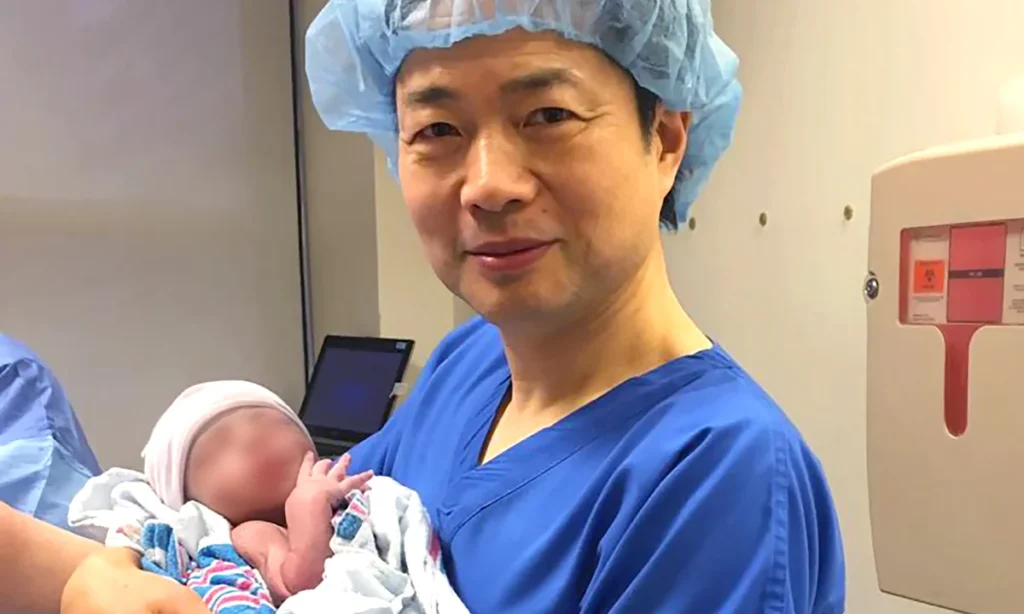
The world of medicine has taken another bold step forward. Babies made using DNA of three people are now a reality, thanks to a groundbreaking IVF trial. This medical advance promises hope to families facing genetic diseases but also sparks debate about the future of reproduction. While the idea may sound like something out of science fiction, the technology behind it is real, tested, and beginning to reshape conversations about genetics, ethics, and the definition of family.
In this article, we explore what this scientific breakthrough means, how it works, and what challenges it brings along the way.
What Does It Mean to Use DNA from Three People?
At its simplest, a baby inherits DNA from two parents: the mother and the father. But in rare cases, when the mother carries faulty DNA in her mitochondria (the tiny energy factories inside our cells), this can cause serious health problems in her child.

Mitochondria contain their own small set of DNA, separate from the DNA in the cell’s nucleus. When these genes are damaged, they can trigger incurable diseases that affect muscles, the heart, the brain, and other vital systems.
The new IVF technique replaces the faulty mitochondria with healthy ones from a donor. This means the baby technically carries DNA from three people:

• Nuclear DNA from the mother (most of the child’s features and traits)
• Nuclear DNA from the father (the other half of the traits)
• Mitochondrial DNA from a donor woman (the healthy “battery” pack for the cells)
So, while the child has genetic input from three people, more than 99% of their DNA still comes from the mother and father. The donor’s contribution is very small but crucial for preventing disease.
Why Was This IVF Trial Needed?
Families affected by mitochondrial disorders often face heartbreaking choices. These genetic defects can cause:
• Muscle weakness and loss of coordination
• Seizures and developmental delays
• Organ failure in severe cases
• A significantly shortened lifespan
Currently, there are no cures for mitochondrial diseases. Many parents pass them unknowingly to their children. This IVF trial aims to break that cycle.
For parents at risk, the technology offers a chance to have children genetically related to them without passing on a devastating illness.
How Does the Process Work?
The scientific process, called mitochondrial replacement therapy (MRT), involves a series of precise steps:
- Egg Collection – Doctors collect eggs from the mother (with faulty mitochondria) and from a healthy donor woman.
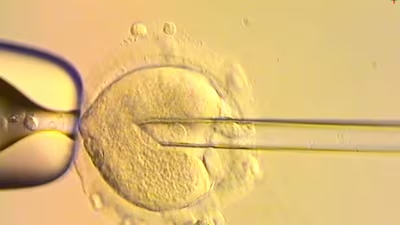
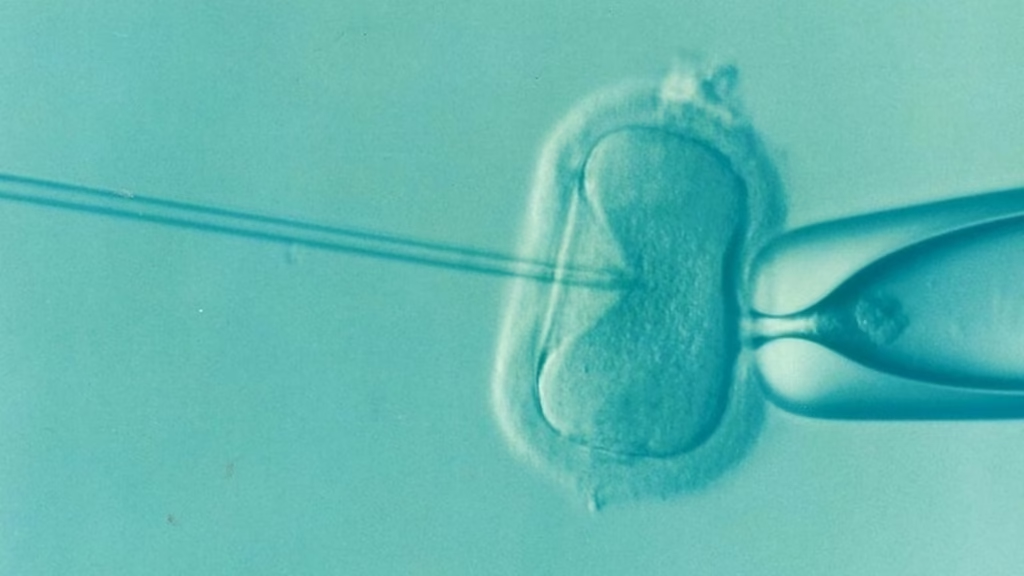
- Nuclear Transfer – The mother’s nuclear DNA is carefully removed from her egg and placed into the donor’s egg, which has had its nucleus removed but still contains healthy mitochondria.
- Fertilization – The reconstructed egg, now containing the mother’s nuclear DNA and the donor’s mitochondria, is fertilized with the father’s sperm.
- Embryo Development – The fertilized egg develops into an embryo, which is then implanted in the mother’s womb.
The baby born from this process is genetically linked to both parents while also carrying a small amount of DNA from the donor.
The First Babies Born Using This Method
The IVF trial recently led to the birth of babies free from mitochondrial disorders. Scientists and doctors describe this as a historic achievement, marking the first time modern medicine has been able to prevent the transmission of these diseases so effectively.
While details remain confidential to protect families’ privacy, reports confirm that these children are healthy and show no signs of inherited mitochondrial defects.
This success opens doors for wider use of the technique. However, it also triggers intense global discussions about the ethical, medical, and social implications.
The Ethical Debate: Science Meets Morality
Not everyone is comfortable with the idea of babies made using DNA of three people. Ethical concerns include:
• Identity Questions: Some wonder if having DNA from three people challenges traditional definitions of parenthood.
• Future Consequences: Critics fear unknown long-term effects of altering genetics, especially when changes are passed down to future generations.
• Designer Babies Concerns: While this technology is designed to fight disease, some worry it could open the door to genetic engineering for preferred traits like height, intelligence, or appearance.
• Religious and Cultural Views: Different communities may view altering the process of reproduction as interfering with natural or divine order.
Supporters argue that the ethical responsibility lies in using science to prevent suffering, while strict regulations can prevent misuse.
Global Reactions and Regulations
The concept of three-parent babies has been debated for years, with different countries taking different stances:
• United Kingdom: The UK was the first country to officially legalize mitochondrial replacement therapy in 2015, under strict regulation.
• United States: Currently, the US has not fully approved the procedure, although research continues.
• Other Nations: Some countries ban or restrict genetic modifications involving embryos, while others watch developments cautiously.
As more success stories emerge, pressure may grow for countries to reconsider their laws.
Medical Benefits Beyond Mitochondrial Diseases
The primary goal of this technique is to stop mitochondrial diseases. But researchers believe the possibilities may go even further.
Potential benefits could include:
• Helping women with repeated IVF failures linked to egg quality
• Preventing age-related fertility decline in some cases
• Expanding treatment options for families with complex genetic risks
However, scientists stress that more research is needed before considering wider applications.
Risks and Challenges Ahead
While the success of the trial is encouraging, challenges remain:
• Safety Concerns: The long-term health of children born with this method must be studied over years, even decades.
• Cost and Accessibility: Advanced IVF techniques are expensive and may remain available only to wealthy families unless healthcare systems step in.
• Regulatory Hurdles: Governments and medical boards must establish clear rules to balance innovation with ethical safeguards.
Doctors emphasize that caution is vital. The goal is to ensure the technology saves lives without causing new problems.
Voices from Families and Experts
Families living with mitochondrial disease often describe the new IVF trial as a ray of hope. For parents who lost children or fear passing on illness, the idea of healthy babies feels like a dream finally within reach.
Medical experts, meanwhile, celebrate the progress but advise patience. They remind the public that science is a gradual journey, not an instant fix. Long-term studies are already in place to monitor the health of children born through this method.
Looking to the Future
The birth of babies made using DNA of three people marks a turning point in reproductive medicine. For many, it represents the power of human knowledge to fight suffering and disease. For others, it raises uncomfortable questions about where science should draw the line.
What is clear is that this technology will not remain a small experiment forever. As more families seek solutions and more countries review their laws, the technique could become part of mainstream fertility treatment in the coming decades.
Conclusion
Science has always pushed boundaries, from vaccines to organ transplants. The creation of babies made using DNA of three people is another example of how far we have come in understanding and shaping human biology.
This innovation gives parents affected by mitochondrial diseases something they once thought impossible: the chance to have healthy children genetically connected to them.
Yet, with such progress comes responsibility. Society must decide how to embrace these breakthroughs while respecting ethics, cultural values, and future generations.
One thing is certain: the story of three-parent babies is only beginning, and the world will be watching closely as it unfolds.
Do follow UAE Stories on Instagram
Read Next – UAE Bars Israeli Defense Firms from Dubai Expo Following Strike in Qatar