Dubai is often celebrated as a global hub for business, luxury tourism, and innovation. Skyscrapers pierce the sky, extravagant malls attract millions, and people from around the world come to enjoy a lavish lifestyle. But beyond the glitter of the city lies another story – the story of millions of workers who play a vital role in building this metropolis. Labour camps in Dubai accommodate a huge population of workers, mainly from countries such as India, Pakistan, Bangladesh, Nepal, and the Philippines. These camps are often misunderstood and have long been subject to myths and stereotypes. Let’s take a closer, more humanized look at the living conditions, regulations, challenges, and hopeful changes happening in Dubai’s labour camp sector.
What Are Labour Camps In Dubai?
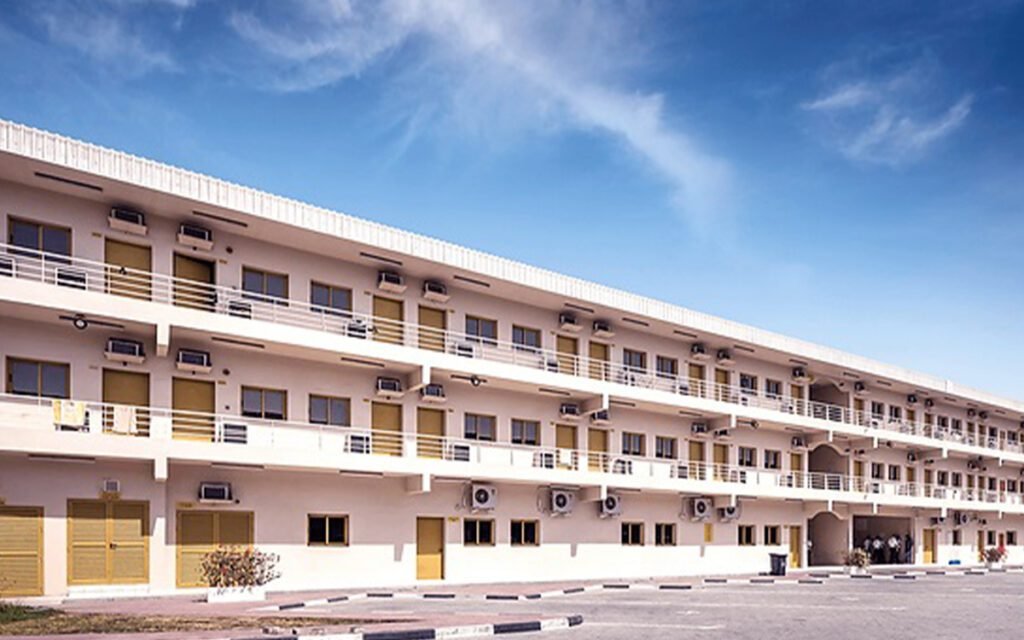
Labour camps are specialized residential accommodations designed to house blue-collar workers employed in construction, manufacturing, cleaning services, and other labor-intensive industries in Dubai. These facilities are generally provided by employers as part of employment packages, particularly for migrant workers who come to Dubai seeking better job opportunities.
Labour camps are usually located on the outskirts of the city or near industrial zones. These are often large compounds equipped with multiple dormitories, communal kitchens, bathrooms, recreational areas, and sometimes even mosques or prayer rooms. The camps are meant to provide a place where workers can live affordably while working on large-scale construction projects or infrastructure development in the city.

The Human Side Of Labour Camp Life
Life in a labour camp is far from the luxury experienced by many Dubai residents, but it’s important to humanize the experience. Each worker has their own story – many leave families behind to support them financially. They live far from home, driven by the hope of a better future.
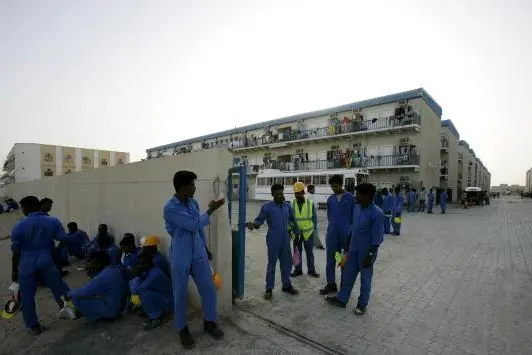
For most workers, daily life follows a strict routine. Work often starts early in the morning and continues for 10 to 12 hours a day. After a long shift, workers return to their camp, where they cook their meals or eat at communal dining halls. Socializing with fellow workers becomes a key aspect of maintaining mental well-being in an environment away from home. Shared experiences of homesickness, hard work, and collective support create bonds of friendship and resilience.

Many workers take pride in their work, knowing that their efforts contribute to shaping the skyline and infrastructure of one of the world’s fastest-growing cities. Despite the challenges, there is dignity in their contribution, and many workers find strength in their perseverance.
How Are Labour Camps Regulated In Dubai?
Dubai’s government has introduced several laws and regulations to improve labour accommodation standards. The Ministry of Human Resources and Emiratisation (MOHRE) plays a central role in ensuring that camps meet minimum standards of safety, hygiene, and comfort.
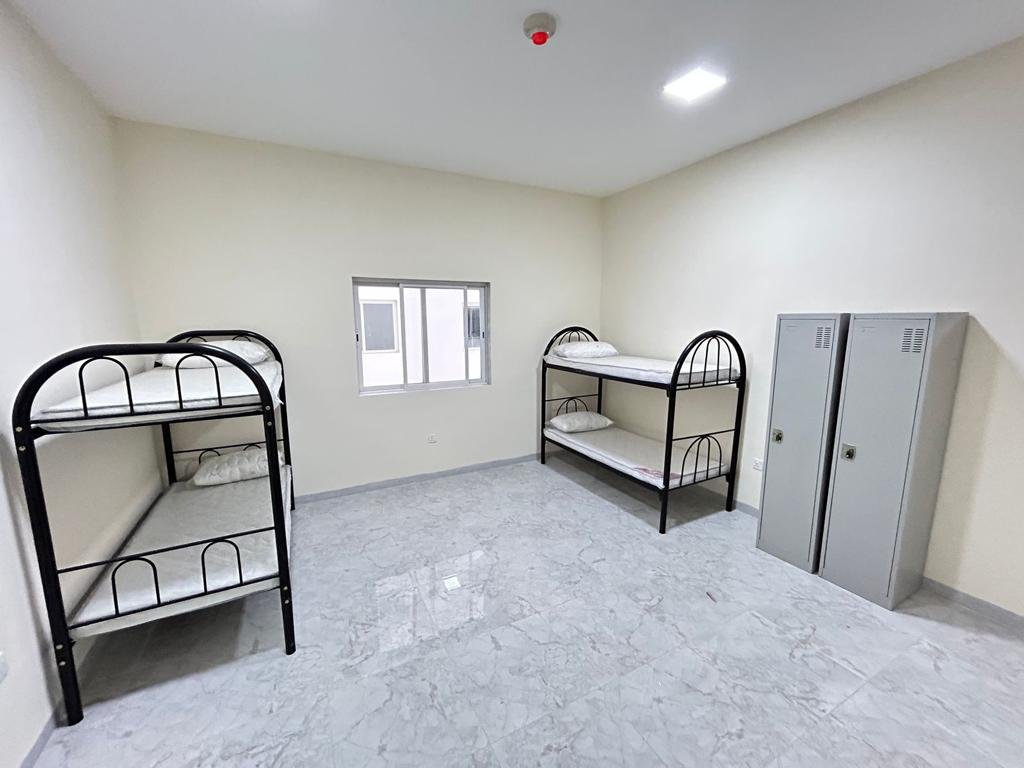
Labour camps must be licensed and regularly inspected. The regulations require adequate space per worker, sufficient ventilation, clean sanitation facilities, and access to medical services. Each worker should have a proper bed, clean bedding, and secure storage for personal belongings. Additionally, communal spaces such as kitchens, prayer rooms, and recreational areas must meet hygiene standards.
The labour law also ensures that workers have access to clean drinking water, medical check-ups, and a safe living environment free from abuse or exploitation. Recent reforms have focused on improving transparency, worker welfare, and the availability of grievance mechanisms to report complaints.
Common Challenges Faced By Workers
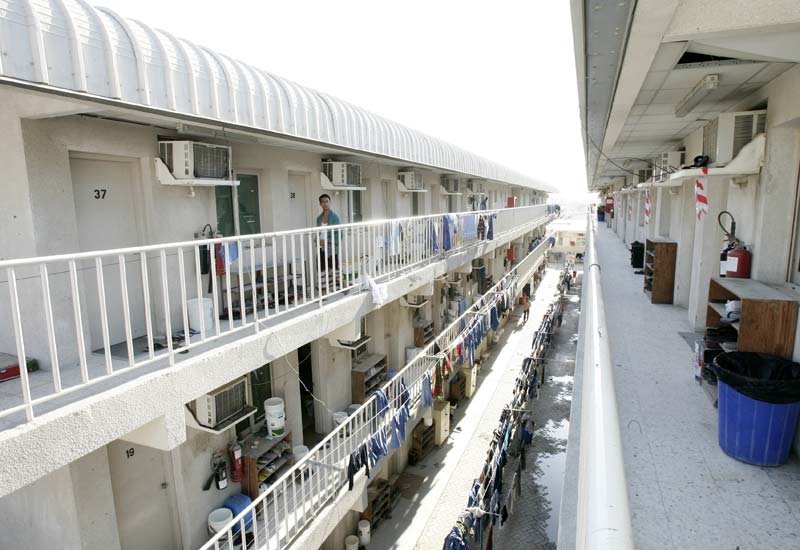
Despite regulations, many labour camps face challenges that affect the quality of life of workers. Overcrowding remains a common issue in some camps, with many workers sharing small rooms, limiting privacy and comfort.
Sanitation problems are another concern. In some cases, communal bathrooms may be insufficient in number or poorly maintained, leading to unhygienic conditions. Access to clean drinking water and balanced meals is sometimes inconsistent, especially in camps not managed well by private contractors.
Another challenge is limited recreational activities. After grueling work hours, workers often have little to do. Although some camps provide sports areas, TV rooms, or Wi-Fi access, many workers report a sense of isolation.
Mental health is often overlooked. Many migrant workers struggle with homesickness, stress, and uncertainty about their future. The language barrier and cultural differences can make it harder for them to access proper support systems.
Positive Changes And Initiatives
Dubai has been actively working to improve the labour accommodation sector. The introduction of stricter labour accommodation standards is part of a larger plan to enhance workers’ welfare across the UAE.
One of the most significant changes is the implementation of labor camps grading systems. Camps are graded A, B, C, or D based on living conditions, hygiene, space per worker, and facilities provided. This grading helps workers choose camps based on quality and forces employers to meet higher standards.
Technology is also playing a role. Mobile apps and online portals allow workers to register complaints directly with government authorities, ensuring that grievances are addressed more transparently and quickly.
Moreover, several non-government organizations and private companies are collaborating to provide better recreational facilities, mental health support, and legal guidance to workers in need.
Many employers are now adopting a more ethical approach, realizing that happy workers are more productive and loyal. Some companies offer language classes, financial literacy workshops, and cultural programs to bridge gaps and empower workers beyond their daily jobs.
Real Stories From Labour Camp Residents
Ali, a construction worker from Bangladesh, shares his experience: “When I arrived in Dubai, I was worried about where I would live. The first weeks were hard. But slowly, I made friends, and now I feel part of a community. My room isn’t big, but it’s clean, and we have proper meals every day. I know my work helps build Dubai’s landmarks, and I’m proud of that.”
Fatima, who works in a cleaning services camp, explains, “It’s not easy being away from family. But I feel safe here. We have a place to pray, and sometimes we watch movies together. The company provides medical checkups regularly, which gives me peace of mind.”
These real-life stories show the human spirit behind the labour camp walls. Despite the struggles, workers remain hopeful, believing in the opportunity that brought them to Dubai.
The Future Of Labour Accommodation In Dubai
The future looks promising. Dubai is preparing to host major global events and expand its infrastructure. This means the need for skilled and unskilled workers will continue to grow, and so will the responsibility to provide proper accommodations.
Authorities are constantly updating regulations to improve workers’ welfare. More transparent policies and third-party monitoring agencies are being introduced to ensure that camps do not fall below standards.
Additionally, there is a growing awareness among the public about the importance of treating workers with dignity. Documentaries, social media campaigns, and advocacy work have highlighted the human faces behind the labour market, encouraging companies and individuals to take responsibility.
Investments in sustainable and comfortable worker accommodations are increasing. New camps now include better design, improved sanitation, energy efficiency, and recreational zones, aiming to improve the quality of life and mental health of residents.
Conclusion: A Balanced Perspective
Labour camps in Dubai are more than just buildings housing workers. They represent the backbone of a thriving economy, a place where millions of dreams converge. While challenges still exist, the continuous reforms and positive changes reflect a commitment to improving the living conditions of labourers.
The journey of these workers is not just about earning a living—it’s about resilience, hope, and a shared dream of better opportunities. Recognizing their contribution humanizes the conversation, reminding us that behind every skyscraper and road in Dubai, there is a story of hard work and perseverance.
Understanding the realities of labour camp life helps us appreciate the unseen efforts that build the modern face of Dubai. And as the city continues to grow, so does the hope that these workers will experience a life of dignity, comfort, and opportunity.
Do follow UAE Stories on Instagram
Read Next – Dubai Traffic Fines Visa Rule and New One Freezone Passport