
Abu Dhabi has taken a major step toward prison reform and rehabilitation by officially registering the ‘Edmaj’ trademark. This initiative is designed to empower inmates by giving them the opportunity to create high-quality handmade products while learning valuable skills that will help them reintegrate into society. The program not only strengthens social rehabilitation efforts but also highlights the potential of inmates as productive members of the community.
The Edmaj trademark covers a wide variety of products made by inmates in Abu Dhabi correctional and rehabilitation centers. These include woodcrafts, metalwork, textiles, and other handmade items. By registering the trademark, the government ensures that these products are protected from unauthorized use and establishes a credible brand that can reach both local and international markets.
What the ‘Edmaj’ Trademark Represents
The ‘Edmaj’ trademark is more than a legal formality—it represents a broader vision of rehabilitation and skill-building. Through this program, inmates receive vocational training and hands-on experience in creating products that meet high standards of quality and craftsmanship. This approach reflects a shift in the way correctional systems view rehabilitation, moving from punishment-focused programs to initiatives that actively prepare inmates for life after release.

Each product under the Edmaj brand is designed to reflect the dedication and skills of the inmates who made it. By standardizing the brand and ensuring legal protection, Abu Dhabi sets a clear message: inmate-produced goods can meet professional standards and have commercial value. This also creates opportunities for these products to be marketed in retail spaces, exhibitions, and online platforms.
Empowering Inmates Through Skill Development
A key goal of the Edmaj initiative is to equip inmates with skills that will improve their employability and self-confidence. Vocational programs cover areas such as woodworking, metalworking, sewing, and other craft skills. In addition to practical skills, inmates also learn project management, quality control, and teamwork.

These skills not only help inmates while they are in rehabilitation but also prepare them for future employment opportunities. Many inmates struggle with social reintegration due to a lack of professional experience, but Edmaj addresses this gap directly by providing tangible, marketable skills. Counseling and mentorship programs also accompany the vocational training to ensure that inmates can transition smoothly into society after release.
Legal Protection and Institutional Trust
Registering the Edmaj trademark provides an important layer of legal protection for both the inmates and the correctional centers. Unauthorized use of inmate-produced goods is strictly prohibited, and the trademark ensures that all products are directly linked to the official program. This builds trust with buyers, retailers, and partners, who can be confident that the products meet the program’s high standards.
Moreover, legal protection ensures the continuity of the initiative. By having a formal trademark, the Abu Dhabi Judicial Department demonstrates its commitment to long-term rehabilitation and sustainable development within the correctional system.
Social Responsibility and Community Impact
Counselor Yousef Saeed Al Abri, Undersecretary of the Abu Dhabi Judicial Department, emphasized that the Edmaj trademark goes beyond legal formalities. It symbolizes a commitment to social responsibility, empowering inmates to become productive citizens. By showcasing the quality of their work, the initiative helps change public perceptions about inmates and highlights their potential.
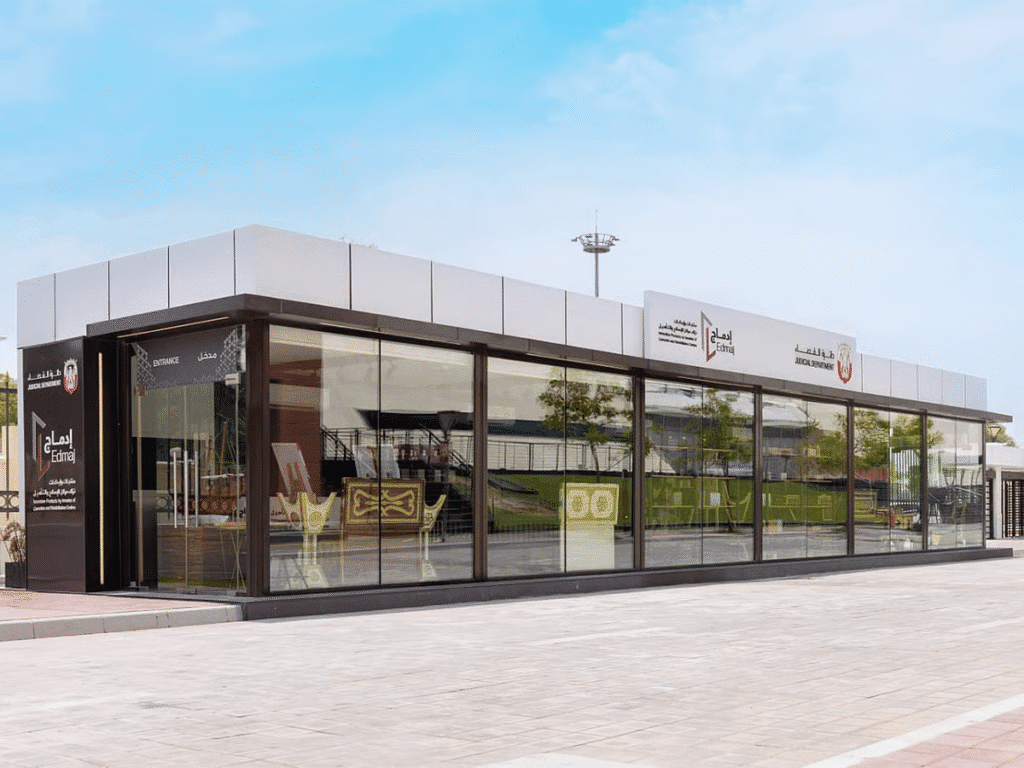
Exhibitions of Edmaj products, such as those held at Dalma Mall in Mussafah, have been instrumental in connecting inmates’ work with the wider community. Visitors can see firsthand the craftsmanship and creativity involved, fostering appreciation and reducing social stigma. These exhibitions also encourage other social and private institutions to support similar initiatives, amplifying the positive impact on rehabilitation efforts across the UAE.
Future Expansion and International Recognition

The registration of the Edmaj trademark lays the groundwork for future growth. The initiative has the potential to expand into larger markets, both locally and internationally. By adhering to international standards of production and branding, Edmaj products can compete with commercial goods, further integrating inmates into the economic system.
Expanding the program could include collaborations with schools, universities, and private companies to provide additional training and exposure for inmates. This could also involve online sales platforms, allowing products to reach a global audience. Such initiatives not only benefit the inmates but also create a socially conscious brand that appeals to consumers looking to support meaningful causes.
Conclusion
Abu Dhabi’s registration of the Edmaj trademark is a landmark achievement in prison reform and social rehabilitation. By combining vocational training, legal protection, and community engagement, the initiative empowers inmates to develop practical skills and gain confidence while producing high-quality handmade products.
The program demonstrates a commitment to a more rehabilitative and inclusive approach to correctional services, helping inmates reintegrate successfully into society. It also sets a model for other countries looking to modernize their correctional systems, proving that rehabilitation can be both practical and socially impactful.
Through initiatives like Edmaj, Abu Dhabi is not only transforming the lives of inmates but also inspiring a more inclusive society where every individual has the opportunity to contribute meaningfully.
Do follow UAE Stories on Instagram
Read Next – Dubai Civil Defence Celebrates Graduation of 100 Personnel from Fundamental Firefighting Course No. 45