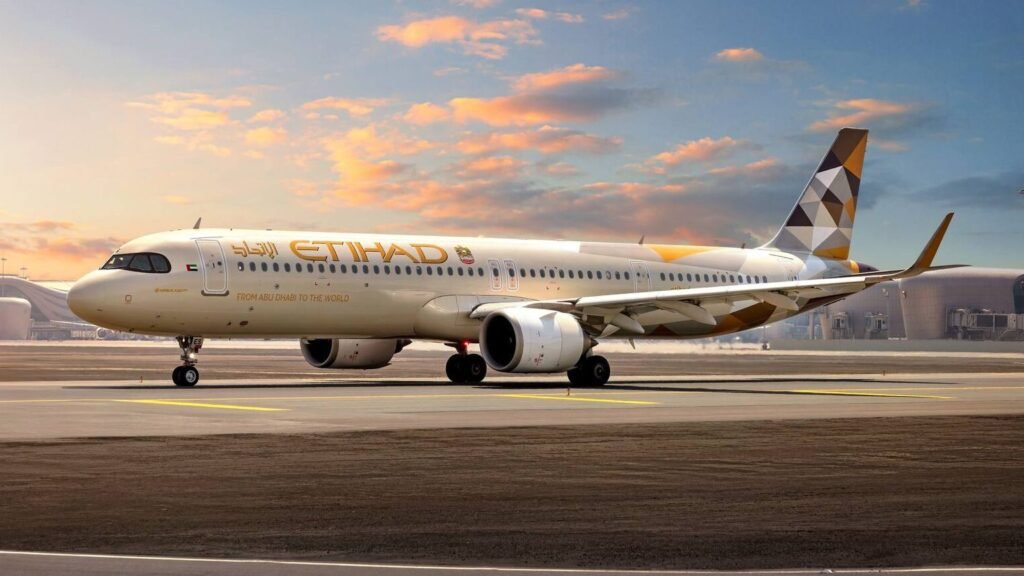
Etihad Airways IPO is not on the immediate agenda as the national airline of the United Arab Emirates (UAE) chooses to focus on self-funded growth. The airline has made it clear that it can finance its ambitious $20 billion expansion plan over the next decade without turning to public markets. This decision reflects Etihad’s strategy of maintaining control, prioritizing sustainable growth, and avoiding the pressures that come with a public listing.
Confidence in Self-Funding
CEO Antonoaldo Neves emphasized that an IPO is unnecessary at this stage. “We believe we can self-fund that,” he stated, referring to the $20 billion investment plan. The airline is owned by Abu Dhabi’s sovereign wealth fund, giving it strong financial backing without the need to rely on outside investors.
This financial independence allows Etihad to make long-term strategic decisions, free from the pressures of quarterly reporting and shareholder expectations. By focusing on internal resources and partnerships, the airline can expand its network, invest in its fleet, and enhance passenger experiences without compromising its operational flexibility.

Financial Performance and Growth Trajectory
Etihad Airways has demonstrated impressive financial stability in recent years. Its profitability is a result of increased passenger traffic, higher load factors, and careful cost management. The airline has steadily improved its revenue streams through a combination of passenger services, cargo operations, and ancillary offerings.
Passenger numbers are growing year on year, reflecting the airline’s strong positioning in the Middle East market and its appeal to international travelers. The airline’s ability to sustain profitability without an IPO indicates that its business model is robust and capable of supporting ambitious expansion plans.

Fleet Modernization and Expansion
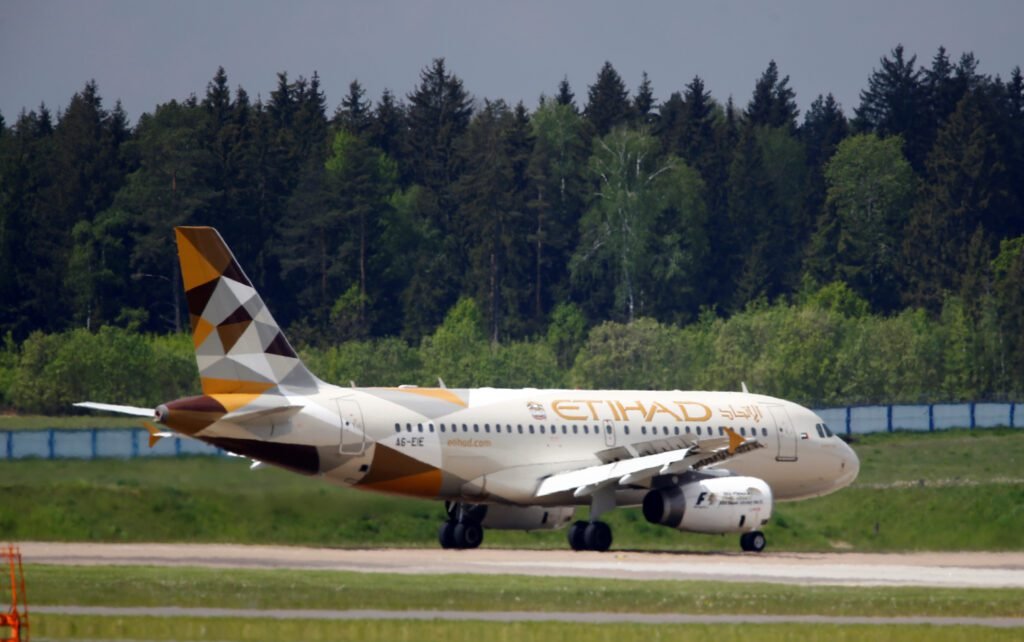
A key component of Etihad’s $20 billion expansion is fleet modernization. The airline is committed to introducing state-of-the-art aircraft that are fuel-efficient, environmentally friendly, and passenger-focused. This includes next-generation wide-body jets for long-haul travel and smaller, more versatile aircraft for regional routes.
Fleet modernization not only improves passenger comfort but also enhances operational efficiency. Modern aircraft consume less fuel, require less maintenance, and have lower emissions, which aligns with Etihad’s long-term sustainability goals. The airline’s commitment to upgrading its fleet demonstrates a clear focus on combining growth with environmental responsibility.
Additionally, Etihad aims to expand its network by introducing new routes to high-demand markets across Asia, Europe, and North America. By increasing connectivity, the airline enhances Abu Dhabi’s position as a major aviation hub and strengthens its competitive edge in global aviation.
Investment in Technology and Innovation
Etihad Airways has placed a strong emphasis on digital transformation and technological innovation. A significant part of the expansion plan includes implementing high-speed in-flight Wi-Fi across the entire fleet. This investment ensures that passengers remain connected throughout their journey, enhancing the overall travel experience and meeting modern expectations for digital services.
The airline is also leveraging data analytics to improve operational efficiency. By analyzing passenger patterns, flight performance, and maintenance requirements, Etihad can make smarter decisions, reduce costs, and optimize its resources. Investment in technology helps the airline stay competitive while improving service quality.
Sustainability and Environmental Responsibility
Sustainability is central to Etihad’s long-term strategy. The airline is investing in eco-friendly aircraft, alternative fuels, and operational practices that reduce environmental impact. As global attention on climate change grows, these initiatives position Etihad as a responsible airline committed to sustainable aviation.
Reducing carbon emissions, minimizing waste, and promoting energy efficiency are key pillars of Etihad’s sustainability strategy. By integrating these practices into its expansion plan, the airline ensures that growth does not come at the expense of environmental responsibility. This approach not only benefits the planet but also appeals to environmentally conscious travelers and investors.
Market Conditions and Strategic Considerations
Global aviation has faced several challenges in recent years, including economic fluctuations, geopolitical tensions, and the aftereffects of the pandemic. Despite these obstacles, Etihad Airways remains optimistic about the region’s potential for growth.
The Middle East continues to be a strategic hub for air travel, connecting Europe, Asia, and Africa. Etihad’s focus on self-funded expansion allows it to seize opportunities without being constrained by market pressures. The airline can plan long-term investments, strengthen its operational capabilities, and strategically enter new markets with confidence.
Delaying the IPO: A Strategic Choice
By choosing to delay an IPO, Etihad maintains full control over its operations and finances. Public listings often come with expectations of short-term returns, which can conflict with long-term strategic goals. Avoiding these pressures allows Etihad to focus on sustainable growth, operational excellence, and customer satisfaction.
The airline’s approach highlights the advantages of maintaining private ownership while pursuing ambitious expansion. Self-funding enables Etihad to implement strategic decisions at its own pace and prioritize initiatives that align with its long-term vision.
Enhancing Passenger Experience
A significant focus of the expansion plan is enhancing passenger experience. From upgraded aircraft interiors to improved in-flight entertainment systems, Etihad is committed to delivering comfort and convenience. High-speed Wi-Fi, premium seating, and personalized services ensure that travelers have a seamless journey from departure to arrival.
The airline also plans to expand its lounges, upgrade airport facilities, and offer additional services to frequent flyers. These investments not only improve customer satisfaction but also strengthen loyalty and brand reputation.
Strengthening Abu Dhabi as a Global Hub
Etihad Airways plays a crucial role in positioning Abu Dhabi as a global aviation hub. By increasing passenger numbers and expanding international routes, the airline enhances the emirate’s connectivity to major global cities.
Abu Dhabi’s strategic location makes it an ideal transit point for travelers between Europe, Asia, and Africa. Etihad’s expansion supports tourism, business travel, and trade, contributing to the overall economic development of the region.
Cargo and Logistics Expansion
Beyond passenger travel, Etihad Airways is also investing in cargo and logistics operations. The airline’s cargo division plays a vital role in transporting goods across continents, particularly in sectors like e-commerce, pharmaceuticals, and perishable products.
Expanding cargo capacity and improving logistics capabilities provide additional revenue streams for the airline. This diversification helps stabilize income and ensures that Etihad can weather market fluctuations more effectively.
Workforce Development and Training
An essential element of Etihad’s growth strategy is investing in its workforce. The airline is committed to providing training and development programs that enhance employee skills and ensure high-quality service.
By fostering a skilled and motivated workforce, Etihad strengthens its operational efficiency, safety standards, and customer satisfaction. Workforce development also supports the airline’s broader expansion goals by ensuring that staff are equipped to handle larger operations and increased passenger volumes.
Strategic Partnerships and Alliances
Etihad Airways continues to form strategic partnerships and alliances with other airlines, tourism boards, and technology providers. These collaborations enable the airline to expand its network, share resources, and leverage complementary expertise.
Partnerships also allow Etihad to enhance its service offerings, access new markets, and optimize operational costs. Such alliances are a key part of the airline’s strategy to grow without relying on an IPO.
Future Outlook
Looking ahead, Etihad Airways aims to significantly increase passenger numbers, modernize its fleet, enhance technological capabilities, and expand its global network. The airline envisions serving millions more travelers by 2030 while maintaining operational excellence and sustainability standards.
Delaying an IPO allows Etihad to pursue these goals strategically and maintain flexibility in decision-making. By prioritizing internal funding and long-term planning, the airline positions itself as a resilient and forward-looking player in the global aviation industry.
Conclusion
Etihad Airways IPO plans are currently on hold as the airline demonstrates that self-funding and strategic planning can successfully support massive expansion ambitions. With investments in fleet modernization, sustainability, digital innovation, and global connectivity, Etihad is well-positioned for long-term success.
By avoiding the pressures of public market scrutiny, Etihad maintains control over its operations and focuses on sustainable growth. The airline’s approach highlights the benefits of financial independence, long-term strategic thinking, and a customer-centric focus.
Etihad Airways continues to strengthen its position as a leading airline in the Middle East and on the global stage, proving that careful planning, innovation, and strategic investment can achieve remarkable growth without an immediate IPO.
Do follow UAE Stories on Instagram
Read Next – Graffiti Removal Dubai – The Story of Cleaner Walls