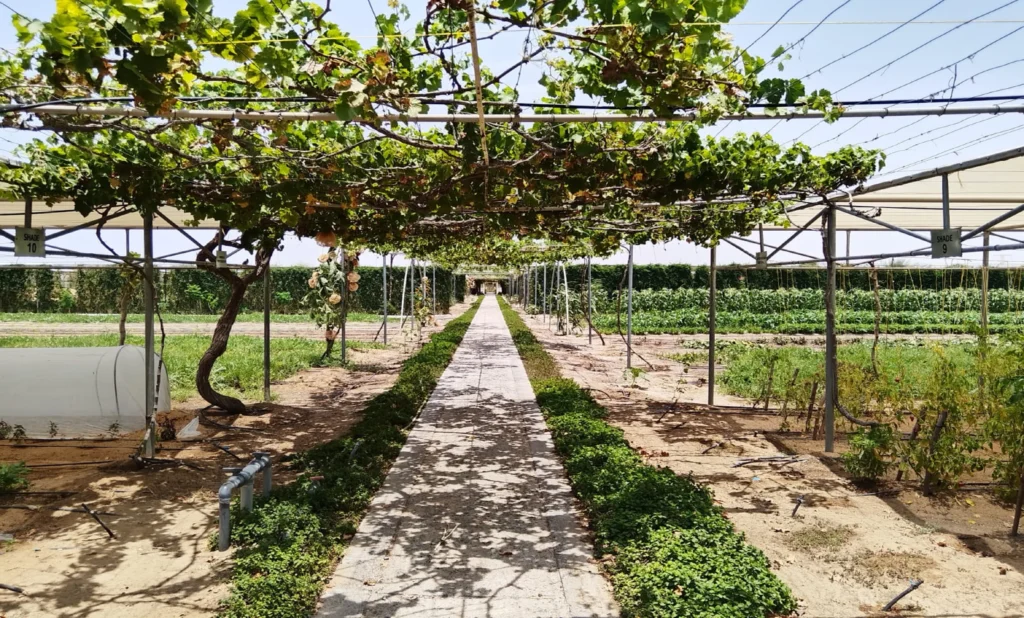
In recent years, Abu Dhabi Organic Farms have become a symbol of hope, innovation, and sustainability in the Middle East. As the capital of the United Arab Emirates (UAE), Abu Dhabi is often known for its skyscrapers, luxury lifestyle, and oil wealth. However, what many don’t realize is that the emirate is also playing a pioneering role in agriculture—specifically in developing organic farming practices that not only support healthier communities but also protect the environment for future generations.
This growing movement towards organic farming is more than just a trend—it is a vital step toward food security, sustainability, and healthier living in a region where farming has always faced natural challenges due to the harsh desert climate.
The Rise of Organic Farming in Abu Dhabi
Organic farming in Abu Dhabi is not a new concept, but in the past decade, it has gained immense popularity. The government has actively supported farmers who are moving away from traditional chemical-based farming toward natural and eco-friendly methods.

The shift is driven by multiple factors:
- Health awareness: Families are becoming more conscious about the harmful effects of pesticides and chemicals in food.
- Environmental concerns: The UAE aims to reduce pollution, save water, and protect the soil.
- Food security: Organic farming supports local food production, reducing dependence on imports.
- Economic growth: Organic products attract both local consumers and global markets.
The Abu Dhabi Agriculture and Food Safety Authority (ADAFSA) plays a key role in promoting organic farming. Through subsidies, training programs, and certification systems, ADAFSA ensures that farmers adopt international organic standards.

Why Organic Farming Matters in the UAE
Organic farming is crucial for Abu Dhabi because of its unique climate and limited natural resources. Desert conditions make farming difficult—there is little rainfall, poor soil quality, and high temperatures for most of the year.
Yet, Abu Dhabi’s commitment to sustainability has led to innovative solutions such as:
- Hydroponics and aquaponics (growing plants without soil).
- Solar-powered greenhouses to control temperature and humidity.
- Smart irrigation systems to save water.
- Crop rotation and natural fertilizers to maintain soil health.
By adopting these methods, Abu Dhabi Organic Farms are proving that it is possible to grow food sustainably even in desert conditions.
The Benefits of Abu Dhabi Organic Farms
The growth of organic farms in Abu Dhabi provides multiple benefits:
1. Healthier Food Choices
Organic farms avoid chemical pesticides, artificial fertilizers, and genetically modified organisms (GMOs). This means fruits, vegetables, and grains grown in these farms are fresher, healthier, and safer for consumption.
2. Environmental Sustainability
Organic farming reduces pollution, conserves water, and protects soil fertility. By avoiding harmful chemicals, Abu Dhabi farms also contribute to cleaner air and groundwater.
3. Local Food Security
By producing food locally, Abu Dhabi reduces its reliance on imported goods. This strengthens the UAE’s food security strategy and ensures stable food supplies during global disruptions.
4. Economic Opportunities
Organic farming creates jobs, supports local farmers, and opens opportunities for agritourism. Many farms now welcome visitors, offering them a chance to learn about eco-friendly farming.
5. Stronger Community Connections
Farmers’ markets, local cooperatives, and direct-to-consumer models connect people with the food they eat. Residents of Abu Dhabi are increasingly interested in supporting local organic farmers.
Popular Abu Dhabi Organic Farms
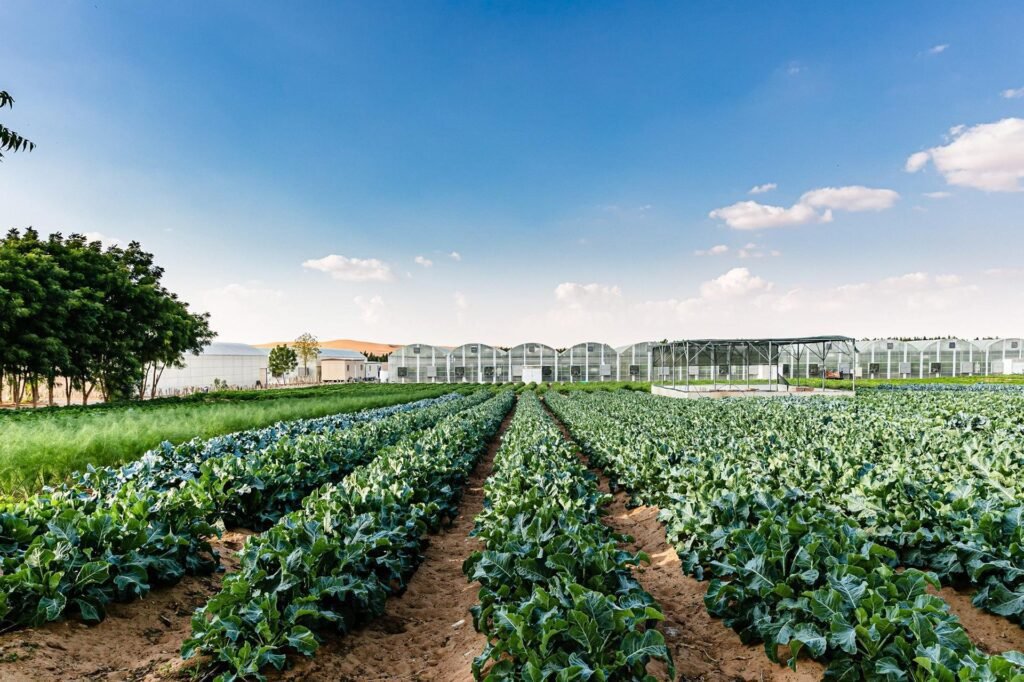
Several organic farms in Abu Dhabi have gained recognition for their high-quality produce and sustainable practices. Some of the most well-known include:
- Emirates Bio Farm – One of the largest organic farms in the region, offering vegetables, fruits, and agritourism experiences.
- Madar Farms – Specializing in hydroponics and controlled-environment agriculture, producing leafy greens with minimal water use.
- Al Rawafed Organic Agriculture – Known for introducing advanced technology and focusing on large-scale organic food production.
- Greenheart Organic Farms – A favorite among residents for fresh, chemical-free produce delivered directly to homes.
These farms not only produce organic food but also educate the public about the importance of sustainability and healthy eating.
Government Support and Regulations
Abu Dhabi has strict rules for certifying organic farms. Farmers must follow global organic standards, avoid chemical pesticides, and ensure transparency in their processes.
ADAFSA and the Ministry of Climate Change and Environment (MOCCAE) regularly inspect farms to ensure compliance. Certification labels on organic products help consumers identify genuine organic produce in supermarkets and local markets.
The UAE government also provides subsidies, training, and technological support to encourage more farmers to shift to organic practices. This support is part of the UAE Vision 2030, which prioritizes sustainability and food security.
Challenges Facing Abu Dhabi Organic Farms
While organic farming has grown rapidly, it still faces challenges:
- High production costs: Organic farming requires more labor and resources, making products slightly more expensive.
- Limited awareness: Some consumers still prefer cheaper conventional produce over organic options.
- Climate stress: Extreme heat and water scarcity pose ongoing risks.
- Market competition: Imported organic products sometimes overshadow local farms.
Despite these challenges, Abu Dhabi continues to innovate. Investments in research, technology, and education are helping to make organic farming more efficient and accessible.
The Future of Organic Farming in Abu Dhabi
The future of Abu Dhabi Organic Farms looks bright. With rising consumer demand for healthy, chemical-free food, organic farming will continue to expand.
Several trends are shaping the future:
- Urban farming: Rooftop gardens and vertical farming in city centers.
- Technology-driven solutions: AI and smart sensors to improve crop monitoring.
- Agri-tourism growth: Farms opening to visitors, offering organic food experiences.
- Partnerships with schools and hospitals: Promoting organic food in daily meals.
The UAE’s ambitious plans for food security and sustainability ensure that organic farming will remain a top priority in Abu Dhabi.
How Residents Can Support Organic Farming
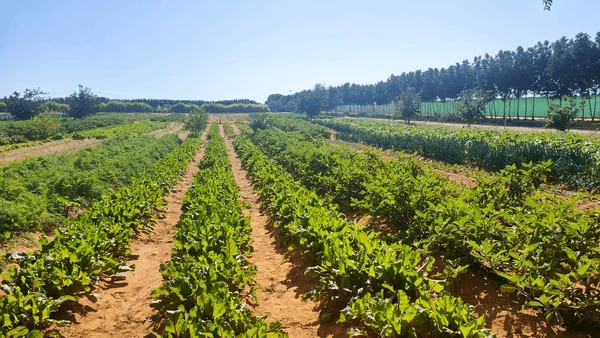
Individuals can play a big role in supporting Abu Dhabi’s organic farming movement. Here’s how:
- Buy local organic produce from farmers’ markets and trusted stores.
- Visit farms to learn more about sustainable agriculture.
- Spread awareness about the health and environmental benefits of organic food.
- Support eco-friendly policies by encouraging sustainable initiatives.
Every small action contributes to building a stronger, healthier, and more sustainable community.
Conclusion
Abu Dhabi Organic Farms are not just farms—they are symbols of innovation, sustainability, and resilience. They represent the UAE’s vision of a future where communities can thrive with healthy food, eco-friendly practices, and strong connections between people and the land.
By supporting organic farming, Abu Dhabi is creating healthier lifestyles for its people, reducing its environmental footprint, and securing food for generations to come. In a desert land where farming once seemed impossible, the growth of organic farms is a powerful reminder that with innovation, vision, and commitment, anything is possible.
Do follow UAE Stories on Instagram
Read More: Zayed Heritage Center: A Living Tribute to UAE’s Legacy