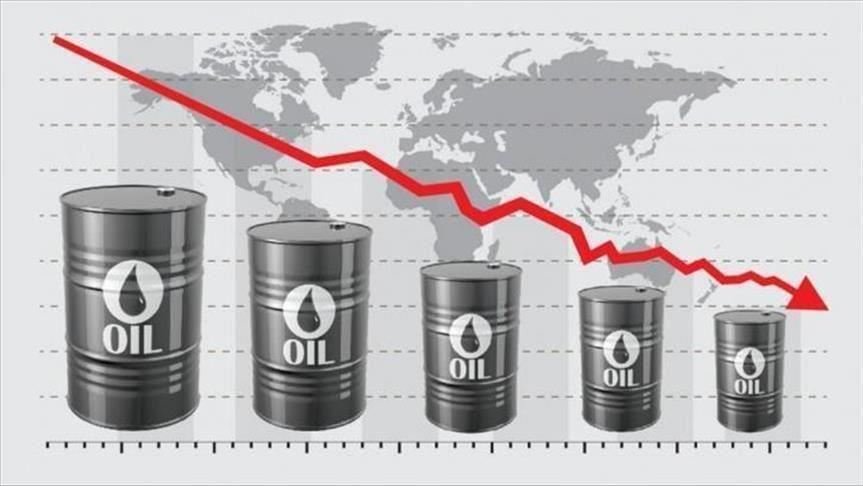
A Historic Shift in Oil Pricing
For decades, Brent crude has been the most dominant oil benchmark in the world, serving as the reference point for more than two-thirds of globally traded oil. Its position was rarely questioned, and any fluctuations in price usually commanded worldwide attention. But in a surprising turn of events, Brent crude recently slipped to a rare discount when compared to Dubai crude, a benchmark widely used in Asia.
This unusual reversal has raised eyebrows across the energy market, signaling shifting trade patterns, changing demand structures, and deeper transformations in global oil flows. For industry players, the news represents more than just a price anomaly — it hints at how the balance of power in oil markets is beginning to evolve.
Understanding the Brent and Dubai Benchmarks
To appreciate the significance of this development, it is important to understand what makes Brent and Dubai benchmarks different.

Brent crude, extracted from the North Sea, has historically been considered a sweet crude, with lower sulfur content and higher refining value. Its pricing has long served as a global yardstick, especially for oil traded into Europe and parts of the Atlantic basin.
On the other hand, Dubai crude is a medium sour crude, with higher sulfur levels, primarily serving as a key benchmark for oil flows into Asia, particularly for Gulf exporters like Saudi Arabia, Iraq, and the United Arab Emirates. While Brent has enjoyed global dominance, Dubai has played a quieter yet equally important role in shaping the Asian oil trade.


When Brent suddenly trades at a discount to Dubai, it not only challenges conventional pricing assumptions but also highlights broader changes in how oil is being bought and sold worldwide.
Why Brent Oil Fell Below Dubai Crude
Several interconnected factors have contributed to this rare pricing shift.
Firstly, demand in Asia — especially from powerhouses like China and India — has been leaning towards Middle Eastern grades. These refiners often prefer sour crudes like Dubai that align with their refinery configurations and energy needs. As a result, Dubai prices have remained firm, supported by resilient regional demand.
Secondly, Brent has been weighed down by softer demand in Europe and competitive supply from other regions. With slowing industrial activity, energy efficiency gains, and rising competition from alternative fuels, Brent-linked crude has lost some of its shine in traditional markets.
Thirdly, the global shipping and refining dynamics have changed significantly. With freight costs fluctuating and regional buyers becoming more selective, the premium that Brent once commanded has eroded. In contrast, Dubai’s direct accessibility to Asia gives it a structural advantage in the current trade environment.
The Ripple Effect on Global Oil Markets
The fall of Brent below Dubai is not just a minor blip — it carries broader implications for global energy markets.
For traders, the move reshuffles arbitrage opportunities. Cargoes that once flowed freely to Europe may now divert toward Asia if price incentives align. Refiners who rely on Brent-linked contracts may reconsider their exposure and begin looking for alternative benchmarks that better reflect the evolving supply-demand dynamics.
For producers, especially in the Middle East, the stronger Dubai pricing reinforces their market power in Asia. This could further cement the Gulf’s role as the energy backbone of Asian economies while reducing reliance on Atlantic basin crudes.

Most importantly, for policymakers and analysts, this development raises questions about the long-term future of benchmarks themselves. Will Brent continue to hold its global status, or will Dubai and other Asian-linked benchmarks rise in influence?
A Shift in Energy Power Balance
In many ways, this price development mirrors the shifting balance of power in global energy. Asia has emerged as the world’s biggest demand center for oil, with China and India at the forefront. Their reliance on Middle Eastern crude ensures that benchmarks like Dubai remain critical to their supply chain.
Meanwhile, European demand patterns are becoming less predictable as renewable energy adoption increases and climate policies intensify. This divergence in demand trajectories has created an environment where Middle Eastern benchmarks can occasionally overtake the once-dominant Brent.
The discount of Brent to Dubai, therefore, is not just about price mechanics — it reflects a deeper reordering of who drives oil demand in today’s world.
What This Means for Consumers and Investors
While these developments may sound technical, they have practical implications for ordinary people and businesses.
For consumers, benchmark shifts can indirectly influence fuel prices, depending on how refiners adjust their sourcing. If Dubai-linked oil remains stronger, Asian markets may face slightly higher refining costs, which could trickle down to end users. Conversely, weaker Brent prices could offer temporary relief to some European buyers, though much depends on local taxation and supply agreements.
For investors, this signals a changing landscape where traditional assumptions about Brent’s superiority may no longer hold. Market participants will need to factor in new risks and opportunities as Dubai and other benchmarks gain ground. Energy companies, too, must adapt by diversifying their trading strategies and considering how shifts in pricing benchmarks affect their revenues.

The Symbolism of the Discount
Beyond economics, the symbolism of Brent’s discount to Dubai cannot be ignored. It highlights the growing importance of Asia in the energy equation and the resilience of Middle Eastern supply networks. It also serves as a reminder that global oil markets are not static but constantly evolving in response to geopolitical, economic, and technological shifts.
For decades, the assumption was simple: Brent set the tone, and others followed. Now, with Dubai asserting itself more forcefully, the narrative is beginning to change.
Looking Ahead: Temporary Glitch or New Reality?
The key question is whether this pricing anomaly is temporary or a sign of a longer-term trend.
Some analysts argue that market forces will eventually restore Brent’s premium once European demand stabilizes and global trade flows rebalance. Others believe that as Asia continues to dominate global consumption, Dubai and similar benchmarks will gain lasting influence, making Brent’s discount less of an anomaly and more of a new normal.
In truth, the answer likely lies somewhere in between. Oil markets are dynamic, and pricing relationships will continue to shift depending on supply disruptions, geopolitical tensions, refinery upgrades, and broader economic conditions. Yet, the very fact that Brent has ceded ground, even temporarily, is a signal of how much the energy world has changed.
Conclusion: A Wake-Up Call for the Industry
The rare discount of Brent crude to Dubai benchmark is more than just a headline — it is a wake-up call for the oil industry. It underscores the shifting centers of demand, the growing role of Asia, and the importance of adapting to a new era of energy trade.
For traders, refiners, policymakers, and consumers alike, this development offers valuable lessons. It demonstrates that no benchmark, no matter how dominant, is immune to change. It also illustrates that the future of oil pricing may look very different from the past, shaped less by tradition and more by the realities of global demand.
Brent’s slip into discount territory may not last forever, but it has left a powerful message: the energy landscape is evolving, and adaptability will be the defining factor for those who want to thrive in the new era of oil markets.
Do follow Uae stories for more Updates
Indulge in Dubai’s 10 Best Kerala Cuisine at These Restaurants