The End of Dubai’s Golden Boom
In the mid-1970s, Dubai was buzzing with an energy few cities could rival. Its Gold Market, known across continents, attracted dealers, traders, and buyers from every corner of the globe. Ships and planes carried Dubai’s glimmering reputation far and wide. Yet by 1975, that golden rush seemed to slow down. The days of booming profits were no longer as certain as before.
For the city’s gold dealers, this was more than a dip in trade. It was a moment of reckoning. How would Dubai maintain its identity as a global gold hub when the once-booming demand began to shrink? The story of how Dubai’s gold dealers navigated this challenge is one of resilience, reinvention, and vision.
A Trade That Defined a City
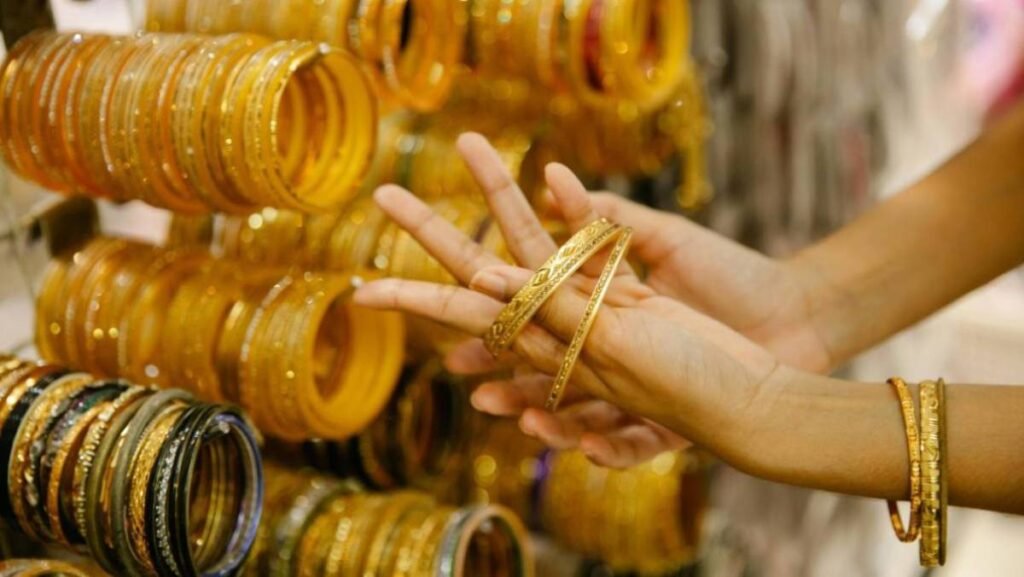
Gold was not just a commodity for Dubai. It was a lifeline, an identity, and a symbol of ambition. During the peak years, bustling souks overflowed with glittering displays, and traders struck deals that tied Dubai’s economy to the fortunes of the international gold trade.

The city earned its reputation as the “City of Gold” long before skyscrapers rose and global financial hubs were established. Every necklace, bracelet, and bar of gold that passed through its markets told a story of trade routes, daring ventures, and tireless entrepreneurs who made Dubai a name to remember.
The Sudden Slowdown
But by the middle of the 1970s, winds began to shift. The once unstoppable gold trade faced new challenges. International regulations tightened. Other regions began competing more aggressively. Even the patterns of consumer demand started to change.

For dealers who had thrived in the boom, this was a moment of deep uncertainty. Souks that once thrummed with eager buyers became quieter. Traders who were used to sealing deals with confidence suddenly found themselves waiting, watching, and hoping for markets to recover.
The slowdown was not just economic—it was emotional. Families dependent on the trade felt the pressure. Longstanding business dynasties wondered whether the golden chapter of Dubai’s story was drawing to a close.
Resilience in the Face of Change
Yet, if Dubai’s traders knew one thing, it was how to adapt. Resilience became the defining spirit of the city’s gold market. Instead of surrendering to challenges, dealers began exploring new opportunities. Some turned towards re-exporting gold, taking advantage of Dubai’s strategic location between East and West. Others shifted their focus to jewelry design, carving out a niche that emphasized artistry and craftsmanship.
This willingness to evolve ensured that while the “boom days” may have ended, the gold trade itself did not vanish. Instead, it transformed. Dubai’s dealers were no longer just middlemen in a bustling trade—they became innovators, creators, and visionaries.
A Community Bound by Gold
What makes this story powerful is not just the numbers or profits—it’s the people. The gold souks were never just markets; they were living communities. Traders who had shared cups of tea together, families who had known each other for generations, and workers who labored in the back rooms polishing ornaments all found themselves bound by a shared struggle.
They knew that survival meant standing together. Advice was shared, partnerships were formed, and collective resilience helped the market endure. Even as challenges mounted, the spirit of solidarity kept the industry alive.
Seeds of a Global Reputation
Ironically, the very struggles of the 1970s planted the seeds for Dubai’s later dominance as a global financial and trading hub. The slowdown forced the city to innovate. Regulations, infrastructure, and business practices evolved. Dealers who once focused only on traditional trading began building networks that would later attract international banks, investors, and jewelers.
This transition is what made Dubai stand out in the decades that followed. By refusing to surrender to decline, Dubai’s gold dealers laid the foundation for the emirate’s global reputation—not only as a trading hub but also as a city of resilience and reinvention.
Lessons From Dubai’s Golden Struggle
The story of Dubai’s gold dealers in 1975 is more than a tale of commerce. It is a story of human determination. It shows how adversity can become an unexpected teacher and how communities can turn setbacks into stepping stones.
For traders, the end of the boom was heartbreaking. But for Dubai as a whole, it became an opportunity to reshape its future. The city learned that its identity could not rest on one golden rush alone. Instead, it built resilience, adaptability, and a vision that would carry it into the modern world.
The Human Spirit Behind the Glitter
Today, when people walk through Dubai’s famous Gold Souk, they see glittering windows and bustling crowds. Few may realize that these displays are not only about wealth—they are symbols of perseverance. Every necklace glinting under bright lights carries the legacy of those who refused to give up in the 1970s.
The story is deeply human: fathers who worked late into the night to keep their businesses afloat, mothers who supported families while trade slowed down, and young workers who learned to adapt and innovate. These are the unseen faces behind Dubai’s golden reputation.
A Legacy That Still Shines
Though the “boom days” of 1975 may be long gone, their impact lingers. Dubai emerged stronger, wiser, and more ambitious. The city’s gold dealers showed the world that downturns do not have to mean defeat. Instead, they can become the foundation for greater achievements.
Today, Dubai is not only the City of Gold but also a symbol of what resilience can achieve. The lessons learned during those difficult years continue to inspire entrepreneurs, traders, and dreamers across the globe.
Do follow UAE Stories on Instagram
Baramati Agricultural Development Trust’s Global Applause for AI-Powered Sugarcane Farming