
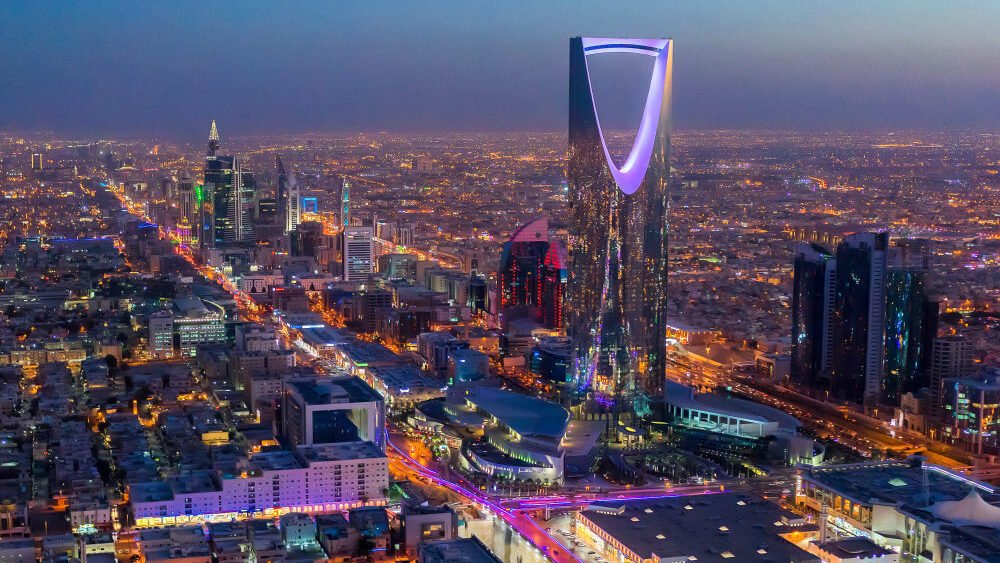
Saudi Arabia inflation rate has remained relatively stable, reflecting a balanced economic environment amid global uncertainties. While global markets experienced volatility, the Kingdom maintained moderate inflation levels, supporting both consumers and businesses. Understanding this rate is crucial for households, investors, and policymakers to plan for financial stability and sustainable growth.
In this article, we examine the factors driving inflation in Saudi Arabia, sectoral impacts, monthly trends, comparisons with global inflation, and the outlook for the future. We also provide insights into how consumers can navigate inflation effectively.
Understanding Inflation in Saudi Arabia
Inflation is the rate at which prices for goods and services increase over time, reducing the purchasing power of money. For example, if the price of a loaf of bread rises, the inflation rate for that item reflects the percentage increase over time.

In Saudi Arabia, inflation is measured through the Consumer Price Index (CPI), which tracks price changes for a fixed basket of goods and services, including housing, food, transportation, education, and household items. The CPI provides a clear picture of how cost-of-living changes affect the average household.
Moderate inflation, like that seen in Saudi Arabia, is generally considered healthy for an economy. It encourages spending and investment without drastically eroding purchasing power.

Key Drivers of Inflation
Several sectors contributed to Saudi Arabia’s inflation. Understanding these helps explain why some prices rose faster than others.
Housing, Water, Electricity, Gas, and Other Fuels
The housing sector was the largest contributor, with prices rising significantly. Rental costs increased, particularly for villas and family residences. This is important because housing makes up a large portion of the CPI basket.
Factors influencing housing prices include:
- Increased demand for residential properties due to population growth
- Government measures to stabilize rental markets, which can temporarily limit price hikes
- Rising construction and material costs, which indirectly affect rental and property prices
While housing costs are high, the government has implemented programs to ease the burden, such as providing affordable residential plots and facilitating property ownership for both citizens and foreign investors.
Food and Beverages
Food and beverages experienced a moderate increase. Vegetable prices rose significantly due to seasonal variations and supply chain challenges, while most other items remained stable.
Key factors influencing food prices include:
- Global supply chain fluctuations affecting imports
- Domestic production variations due to climate and irrigation conditions
- Exchange rate stability, which affects import costs
Consumers were moderately affected, but essential staples remained relatively affordable, contributing to overall economic stability.
Transportation
Transportation costs declined slightly, primarily due to a drop in vehicle purchase prices. Fuel prices remained relatively stable, preventing further increases in the transportation sector.
Factors affecting transportation costs include:
- Global oil market stability, since Saudi Arabia is a major oil producer
- Government subsidies and price controls that limit fuel price spikes
- Technological improvements and competitive vehicle markets reducing costs
Lower transportation costs partially offset inflationary pressures from housing and food sectors.
Furnishings and Household Equipment
Prices in this category fell, driven mainly by a decrease in furniture, carpets, and flooring prices. This reduction contributed to moderating overall inflation, particularly for middle-income households.
Education
Education costs increased, with intermediate and secondary education fees rising steadily. While education is a smaller component of the CPI, these increases affect family budgets, particularly those with multiple children in school.
Monthly Inflation Trends
Saudi Arabia’s inflation rate showed relative stability throughout the year, with small fluctuations month-to-month. Minor increases reflected seasonal pressures in housing and food prices but remained manageable overall.
Historical Perspective
Saudi Arabia’s inflation has fluctuated over the past decade. Earlier, inflation averaged higher due to global oil price fluctuations and domestic reforms. Since economic diversification programs began, government policies have aimed to stabilize prices and reduce dependence on oil.
This historical context shows that the current inflation rate is relatively low, reflecting effective economic management and stability.
Comparison with Global Inflation Rates
Saudi Arabia’s inflation was modest compared to global averages. A lower inflation rate benefits consumers by preserving purchasing power, encouraging savings, and supporting investment. It also makes the country attractive for foreign investors seeking stable economic conditions.
Outlook for the Future
The Saudi government projects moderate inflation for the coming period. Factors supporting this forecast include:
- Stable oil revenues sustaining government spending and social programs
- Housing market measures controlling rental price increases
- Moderate global inflation keeping import costs in check
- Economic diversification reducing reliance on oil and supporting sectors like tourism, entertainment, and technology
The outlook suggests continued price stability, which will be critical for maintaining economic growth under Vision 2030.

Sectoral Impacts and Consumer Implications
Housing
Housing remains the largest influence on inflation. Stabilization efforts, such as offering affordable plots and easing foreign ownership rules, aim to curb excessive price increases. Consumers are encouraged to plan budgets carefully, especially for long-term housing costs.
Food and Beverages
Food price stability is essential for household budgets. While price increases were moderate, consumers should anticipate potential fluctuations due to climate, trade policies, or global commodity prices.
Transportation
Lower transportation costs helped offset inflation from other sectors. However, consumers should monitor fuel prices and vehicle costs, as global oil market volatility could impact future transportation expenses.
Education
Education costs have been rising steadily. Families should consider planning for tuition, school supplies, and related expenses to manage household budgets effectively.
Healthcare and Utilities
Healthcare and utilities remained stable, contributing minimally to inflation. Government subsidies and infrastructure investments helped maintain affordability.
How Consumers Can Navigate Inflation
Even moderate inflation affects household budgets. Here are practical tips:
- Budgeting Track monthly expenses and identify areas where costs can be reduced
- Investing Wisely Consider inflation-protected savings or investments to preserve purchasing power
- Buying in Bulk For non-perishable items, purchasing in larger quantities can reduce costs over time
- Energy Efficiency Reducing electricity and water consumption helps offset price increases
- Comparing Education Options Explore schools offering competitive tuition without compromising quality
By adopting these strategies, households can maintain financial stability despite inflationary pressures.
Conclusion
Saudi Arabia inflation rate remained moderate, reflecting a balanced economic environment. Housing and food were key contributors to inflation, while transportation and household equipment prices helped moderate increases. Compared to global averages, Saudi Arabia’s inflation is low, benefiting both consumers and businesses.
Government policies and economic diversification under Vision 2030 suggest continued price stability in the future. Consumers who plan effectively and manage household budgets can navigate inflation successfully, while investors and policymakers can leverage stability for sustainable economic growth.
With ongoing reforms and a focus on non-oil sectors, Saudi Arabia is well-positioned to maintain moderate inflation, support business growth, and enhance the quality of life for its citizens.
Do follow UAE Stories on Instagram
Read More: GCC Railway Project: Route, Launch Date and All the Latest