
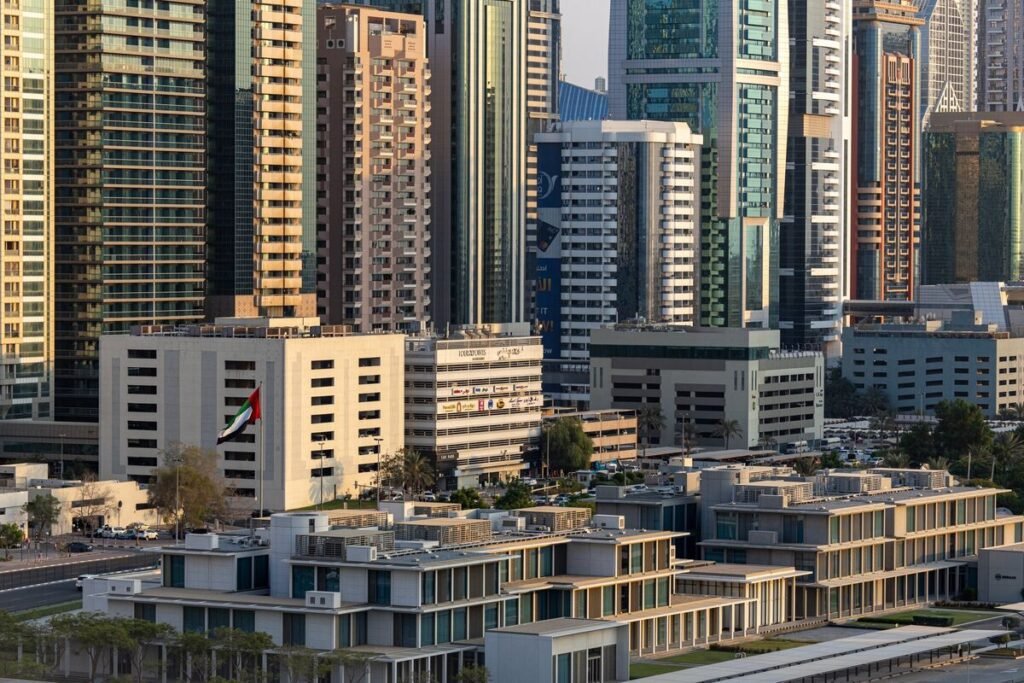
A City Built on Ambition
Dubai has always been a city of dreams — a place where glass towers rise from the desert, and ambition shapes the skyline. Over the last few years, the city’s property market has been on fire, attracting investors, expatriates, and high-net-worth individuals from all corners of the globe. From sleek high-rise apartments to sprawling waterfront villas, the demand for real estate in Dubai has never been stronger.
But beneath the glossy brochures and luxury launch events, a question is beginning to trouble both residents and analysts — can this booming market sustain itself, or is Dubai inching towards another property crash?
The Heat Behind the Housing Surge
The recent surge in Dubai’s real estate market is not just about new developments; it’s about the global context. Many investors, particularly from Europe, Asia, and the Middle East, have turned to Dubai as a safe and tax-friendly haven. The city’s political stability, world-class infrastructure, and reputation for luxury living have created a magnet for property buyers.

Additionally, the government’s residency reforms, including the golden visa program, have encouraged long-term investment. For many foreign investors, buying property in Dubai is no longer just a financial decision — it’s a lifestyle choice.
Developers have capitalised on this momentum with record-breaking launches, selling out entire projects within hours. Social media is filled with announcements of new towers, celebrity endorsements, and VIP events. The mood in the market feels euphoric — and perhaps that’s where the concern begins.

Echoes of the 2008 Crash
For those who lived through Dubai’s infamous 2008 property crash, the current boom feels eerily familiar. Back then, the market was flooded with luxury developments, speculative buying, and rapid price inflation. When the global financial crisis hit, property values plummeted, projects stalled, and many investors were left with unfinished homes.
Today, the fear is that history might repeat itself. Property prices in some areas have already risen by over 30% in just two years. Rents, too, have climbed sharply, squeezing long-term residents and driving some to seek more affordable options in neighbouring emirates.
While this growth looks promising for investors in the short term, the question is whether it’s sustainable — or if the market is being fuelled too heavily by speculation once again.
A Different Market, But Old Risks Remain
Proponents of Dubai’s real estate sector argue that this time is different. The government has introduced stricter regulations to prevent unchecked speculation, including tighter mortgage rules and escrow account requirements for developers. Demand today is also more diversified, coming from a mix of end-users, long-term residents, and global investors.
Yet, the risks remain. The pace of development is staggering, and the city’s skyline is set to welcome dozens of new residential towers in the coming years. If demand slows, oversupply could quickly become a problem. In such a scenario, prices could face a sharp correction, just as they did in previous cycles.
The Rental Squeeze
For everyday residents, the housing boom is not just a headline — it’s a reality that affects their daily lives. Rents in popular areas like Downtown Dubai, Dubai Marina, and Palm Jumeirah have skyrocketed, making it harder for middle-income families to afford living close to their workplaces.
Some landlords have taken advantage of the tight market by hiking rents aggressively, knowing that new tenants are willing to pay a premium. Others are selling properties to cash in on high prices, forcing tenants to relocate.
The strain is pushing more people to consider moving to more affordable districts or even neighbouring emirates like Sharjah and Ajman, where they can find bigger homes for lower prices — albeit with a longer commute.
Investor Confidence vs. Buyer Caution
One of the most interesting dynamics in the current market is the split between investors and end-users. Investors — especially those with significant capital — see Dubai’s growth as an opportunity. They believe that the city’s global appeal, tourism sector, and economic resilience will continue to drive property demand.
End-users, however, are more cautious. Many locals and long-term expatriates worry about overpaying for homes during a peak cycle. They are aware that while property prices can rise quickly in Dubai, they can also fall sharply when the market turns.
The Role of Foreign Buyers
Foreign buyers are playing a huge role in fuelling the current boom. High-net-worth individuals from Russia, India, China, and Europe are purchasing luxury homes not just for living, but also as safe investments during uncertain global times.
These buyers often pay in cash, bypassing mortgage restrictions and allowing developers to secure large sums upfront. While this boosts the market in the short term, it also raises concerns about how dependent Dubai’s property sector is on foreign capital — and how vulnerable it could be if that interest shifts elsewhere.
A Balancing Act for the Future
Dubai’s government is well aware of the risks of an overheated property market. Measures such as stricter lending rules, transaction monitoring, and longer residency options aim to create stability. Yet, no regulation can fully shield a market from global economic changes or shifts in investor sentiment.
The challenge lies in balancing growth with sustainability. Too much supply too quickly could lead to another painful correction, but holding back development could slow down the city’s economic momentum.
Lessons from the Past
The 2008 crash left a lasting imprint on Dubai’s property landscape. Many projects were cancelled or delayed, and trust in the market took years to rebuild. One of the lessons learned was the importance of regulation and transparency — both of which have improved significantly since then.
However, another lesson was about human behaviour. In times of rapid growth, optimism can overshadow caution. Investors, developers, and even homebuyers can be swept up in the excitement of rising prices, forgetting that all markets move in cycles.
What Buyers Can Do Now
For those considering buying in Dubai today, the best approach is informed caution. Researching the market, understanding long-term trends, and avoiding rushed decisions can help reduce the risk of overpaying. Choosing properties in established areas with strong rental demand can also provide a safety net if the market slows.
For renters, negotiating leases and exploring new districts may offer better value, especially as the city continues to expand and develop new communities.
A Market of Possibility and Risk
Dubai’s housing boom is a story of both promise and peril. It reflects the city’s resilience, its ability to attract global attention, and its relentless drive to build bigger and better. But it also highlights the fine line between growth and overheating.
Whether the market continues to climb or faces a correction will depend on a complex mix of local policies, global economic conditions, and investor sentiment. For now, the glittering towers of Dubai tell a story of ambition and opportunity — but also one where caution is just as valuable as optimism.
Do follow UAE Stories on Instagram
5 Exciting Dubai Changes This August That Will Amaze You