
In a world increasingly driven by fast transport and convenience, a city that encourages people to slow down, walk, and experience life on foot is a rare gem. And now, Abu Dhabi has officially earned its place on the global stage as one of the most walkable cities in the world — a recognition that’s both surprising and thrilling for residents and visitors alike.
Abu Dhabi’s rise as a pedestrian-friendly paradise isn’t just about pavements and paths. It’s a reflection of the city’s growing commitment to lifestyle, sustainability, health, and community well-being. With its wide boulevards, well-shaded walkways, breathtaking waterfronts, and human-centric planning, the UAE capital is setting a powerful example for modern cities around the world.
More Than Just A Desert Capital
When people think of Abu Dhabi, the initial image might still be of golden dunes, ultra-modern skyscrapers, and luxury living. But in recent years, the city has undergone a quiet transformation — one where urban design has been reimagined with people in mind.

Tree-lined promenades, dedicated walking trails, and safe crossings have replaced what was once car-dominated space. Neighborhoods like Al Maryah Island, Yas Bay, and the Corniche have evolved into spaces where residents genuinely enjoy strolling, jogging, and even commuting on foot. The shift has been gradual, but intentional. And the results are finally being celebrated.
The Science and Soul of a Walkable City
Walkability isn’t just about the ability to move around on foot. It’s a measure of how a city prioritizes the people who live in it. A walkable city is safer, healthier, more social, and surprisingly — even more economically vibrant. People meet more, talk more, and feel more connected to their surroundings.

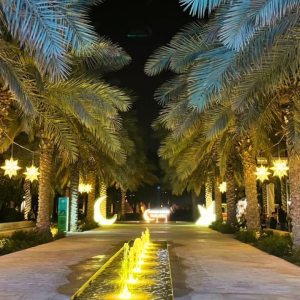
Abu Dhabi’s leadership understands this. From making shaded sidewalks standard in newer developments to introducing pedestrian-friendly traffic lights and beautifully lit pathways for evening strolls, the city has placed pedestrian experience at the heart of its planning.
You can now walk along the Corniche and see families having picnics, kids riding scooters, and elderly couples walking hand-in-hand. You can explore downtown streets without worrying about narrow sidewalks or dangerous intersections. And it’s all by design.
A Lifestyle Revolution Taking Shape
Abu Dhabi’s walkability also reflects a much larger shift in how people want to live today. In a time when mental health, work-life balance, and physical wellness are major concerns, walking-friendly environments offer a much-needed reset. And the residents of Abu Dhabi are embracing this with open arms.
In the mornings, you’ll find people walking to cafés instead of driving. In the evenings, friends meet up for strolls along Reem Island’s waterfront instead of just catching up over screens. There’s a noticeable change in how people interact with the city — and each other.
Schools have introduced walk-to-school programs. Businesses are noticing higher foot traffic in retail zones. Local initiatives are encouraging residents to walk for errands or explore heritage districts on foot. It’s not just a trend — it’s becoming part of the culture.
Women and Families Leading the Way
One of the most heartwarming parts of Abu Dhabi’s pedestrian-first design is how it’s empowering women, mothers, and families. Safe, well-lit, and accessible walking paths have opened up public spaces to a more diverse group of users.
Mothers now feel more confident walking with strollers. Children enjoy the freedom of open green parks and wide sidewalks. Women feel safer walking in the evenings or going for a solo jog along designated paths. Walkability is turning the city into a place that feels more inclusive — not just luxurious.
The design is practical but also emotionally resonant. It’s telling residents: this city is yours. Use it. Live in it. Walk through it.
From Concrete to Community
There’s something almost magical about seeing a city become more alive through its people. Cars may get you places, but walking connects you to where you are. In Abu Dhabi, this connection is being nurtured at every turn — from the waterfront of Saadiyat Island to the bustling streets of Khalifa City.
Benches are thoughtfully placed under trees. Public art dots walking trails. New pedestrian bridges are not only functional but beautifully designed. Each element adds up to more than just infrastructure — it’s community-building in its purest form.
Urban planners often say that you can measure the health of a city by the number of people walking in it. By that measure, Abu Dhabi isn’t just healthy — it’s thriving.
Walking Into a Sustainable Future
In an era of climate change and environmental consciousness, walkable cities are also greener cities. Abu Dhabi’s achievement isn’t just about convenience — it’s also about sustainability.
With fewer short car trips, lower emissions, and more green public spaces, the city is paving the way for a cleaner, more responsible future. Encouraging walking not only reduces traffic congestion but also supports healthier lifestyles, which in turn can reduce public health costs and create a more vibrant economy.
This recognition as one of the world’s most walkable cities is, in many ways, a validation of a vision. A vision where sustainability doesn’t mean sacrifice. Where progress includes people. And where the future of urban life is slower, healthier, and more human.
Residents Feel the Change
Ask the residents of Abu Dhabi, and they’ll likely tell you: life just feels better now. Whether it’s the daily walks by the canal, the evening gatherings at parks, or the freedom of letting children walk to school, there’s a growing sense of ease and joy.
Even expats who’ve lived in car-dependent cities their whole lives are amazed by how different daily life feels in Abu Dhabi. The shift to walking isn’t just practical — it’s transformational.
Some say it makes the city feel smaller, in the best possible way. Others describe how they’ve discovered hidden cafés, scenic viewpoints, or friendly neighbors simply because they started walking more. And that’s the magic. Abu Dhabi has managed to make a large, global capital feel intimate again.
More Than Just an Award
Being named one of the most walkable cities in the world is not just a headline — it’s a reflection of years of planning, vision, and the willingness to put people first. Abu Dhabi is proving that a city known for its luxury and speed can also be a place of calm, connection, and human-scale living.
And the best part? This feels like just the beginning.
As more projects are unveiled, new green spaces emerge, and pedestrian networks continue to expand, Abu Dhabi is likely to climb even higher in global rankings. But more importantly, it’s already winning in the ways that truly matter — quality of life, community happiness, and everyday human joy.
So next time you’re in Abu Dhabi, leave the car behind. Put on your walking shoes, take a deep breath, and explore. You might just fall in love with the city — one step at a time.
Do follow UAE Stories on Instagram
Open Masters Games Brings Unforgettable Global Sports Event to Abu Dhabi