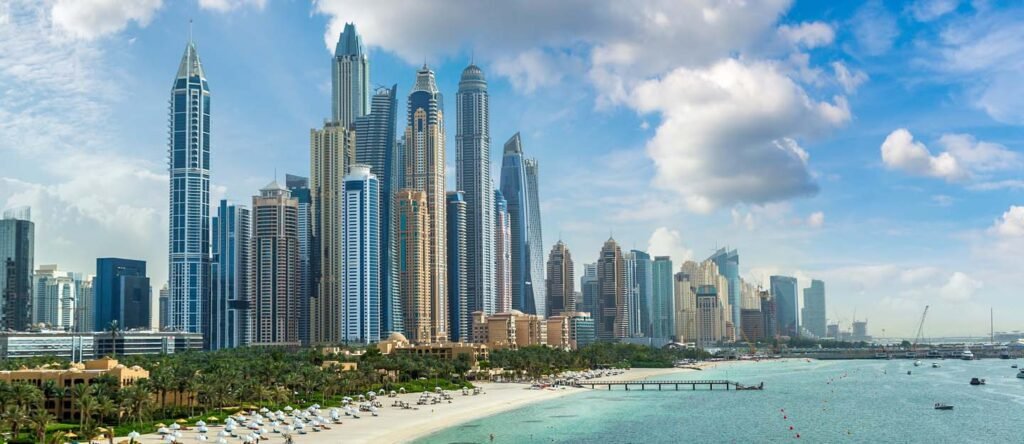
Maximum temperature in Dubai has become a topic of serious concern for residents, travelers, scientists, and environmentalists alike. As the UAE’s most populous city continues to grow economically and structurally, it is also becoming one of the hottest urban centers on Earth. This article explores the rising maximum temperature in Dubai, historical weather trends, its implications for everyday life, and how the city is adapting to these extreme conditions.
Maximum Temperature in Dubai: A Burning Reality
Dubai is known for its scorching summers, but recent years have shown a dramatic rise in the maximum temperature in Dubai, especially during peak summer months like July and August. Temperatures frequently soar above 45°C (113°F), and on some days, they even touch 50°C (122°F), the threshold where the heat becomes not just uncomfortable but also dangerous.
In July 2024, Dubai recorded its hottest temperature ever: 51.8°C (125.2°F) in some inland areas, nearly matching some of the highest temperatures ever recorded on the planet.

Why is Dubai Getting Hotter
Several factors are contributing to the rise in the maximum temperature in Dubai
1. Climate Change
Global warming is a leading cause. As average global temperatures increase, arid and semi arid regions like the Middle East experience the effects more intensely.

- Rising greenhouse gas emissions
- More prolonged and intense heatwaves
- Less cooling during nighttime
2. Urban Heat Island Effect
Dubai’s rapid urbanization with towering skyscrapers, concrete structures, and asphalt roads traps heat. This effect, known as the Urban Heat Island or UHI, increases local temperatures especially during nighttime, reducing overall relief from the heat.
3. Low Vegetation and Water
Dubai’s desert landscape lacks natural cooling systems such as dense vegetation or large water bodies. Although artificial water bodies like the Dubai Marina exist, they are not enough to counterbalance the intense heat.
Historical Trends of Dubai’s Temperature
Let’s take a quick look at how the maximum temperature in Dubai has changed over the years
| Year | Average Summer Max Temperature | Notable Records |
|---|---|---|
| 1990 | 42.3°C | 45.5°C in July |
| 2000 | 43.1°C | 46.2°C in August |
| 2010 | 44.7°C | 48.0°C in July |
| 2020 | 45.3°C | 49.5°C in June |
| 2024 | 46.1°C | 51.8°C in July |
The rise is clear and consistent, showing a concerning trend that points toward more extreme temperatures in the future.
How Dubai Copes with Extreme Heat
Living in one of the hottest cities in the world demands adaptation. Here’s how Dubai is handling it
1. Air Conditioning Everywhere
From homes to public buses and metro stations, air conditioning is not a luxury but a necessity. Dubai is heavily reliant on HVAC systems, which also contribute to higher energy consumption.
2. Heat Resistant Infrastructure
Modern buildings are designed to withstand extreme heat. High tech materials and coatings reflect sunlight, and smart glazing is used in windows to reduce indoor heat.
3. Adjusted Work Hours
Outdoor labor is often restricted during peak hours. From June to September, midday work bans are imposed from 12:30 PM to 3:00 PM to protect workers.
4. Smart Urban Planning
Dubai is investing in more green spaces, shaded walkways, and reflective building materials to combat the Urban Heat Island effect.
Impact of Maximum Temperatures on Daily Life
1. Health Risks
High temperatures pose serious health threats, especially
- Heatstroke
- Dehydration
- Respiratory Issues
Elderly people, children, and outdoor workers are the most vulnerable.
2. Energy Consumption
As temperatures rise, so does electricity demand, mainly for air conditioning. The surge puts pressure on the power grid and increases carbon emissions.
3. Tourism
Dubai is a year round tourist destination, but extreme summer temperatures make it less attractive during July and August. Indoor attractions like the Dubai Mall and Ski Dubai gain popularity during this period.
4. Transportation
Car engines and batteries are stressed, and public transport systems require more frequent maintenance. Flight operations can also be affected in extreme heat conditions.

Climate Projections: What the Future Holds
If current trends continue, climate models suggest that the maximum temperature in Dubai could frequently exceed 52°C (125.6°F) by 2050, with more than 100 days per year above 45°C.
This could
- Increase water scarcity
- Worsen air pollution
- Make outdoor activity nearly impossible during peak summer
Global Comparisons: How Dubai Stacks Up
Dubai isn’t alone in facing high temperatures. Other cities with similar extremes include
| City | Record Max Temperature | Similarities |
|---|---|---|
| Kuwait City | 54.0°C (129.2°F) | Desert climate, oil economy |
| Ahvaz, Iran | 53.7°C (128.7°F) | Inland, low elevation |
| Death Valley, USA | 56.7°C (134°F) | Hottest on Earth, uninhabited |
| Riyadh, Saudi Arabia | 52.0°C (125.6°F) | Urban heat island |
Dubai’s heat is made more impactful due to its dense population and global business environment.
What Can Be Done: Solutions and Strategies
1. Renewable Energy Investment
Dubai is home to the Mohammed bin Rashid Al Maktoum Solar Park, one of the world’s largest. Expanding renewable energy reduces carbon emissions and helps combat climate change.
2. Cool Roofs and Green Buildings
The government is encouraging the use of reflective roofing and sustainable architecture to naturally reduce indoor temperatures.
3. Awareness Campaigns
Dubai regularly runs campaigns to inform residents about staying hydrated, recognizing heatstroke symptoms, and conserving energy.
4. AI and Smart Technologies
AI is being used to
- Predict peak load times
- Automate cooling systems
- Improve urban design
Voices from the Ground: How Residents Feel
“I don’t go out before 6 PM. It’s just not worth it,” says Sameera, a Dubai resident for over 10 years.
“You can fry an egg on your car roof. Literally,” jokes Ali, a local taxi driver.
“We need more shaded areas and public cooling systems,” suggests a construction worker.
These voices reflect the real life impact of rising maximum temperatures in Dubai.
Conclusion: A City Adapting Under Pressure
The maximum temperature in Dubai is more than just a weather stat, it is a wake up call. It affects health, lifestyle, economy, and the environment. While Dubai is investing in technologies and policies to mitigate the effects, long term sustainability depends on global efforts to address climate change.
Dubai’s story is a case study in resilience, but also a stark reminder of the future we face if climate action remains slow. As the thermometer climbs, the need for innovative, sustainable, and inclusive solutions becomes more urgent than ever.
Do follow UAE Stories on Instagram
Read More: Dubai: Major Accident on Al Khail Road Near Umm Suqeim Street Bridge