A strategic step towards stronger regional resilience
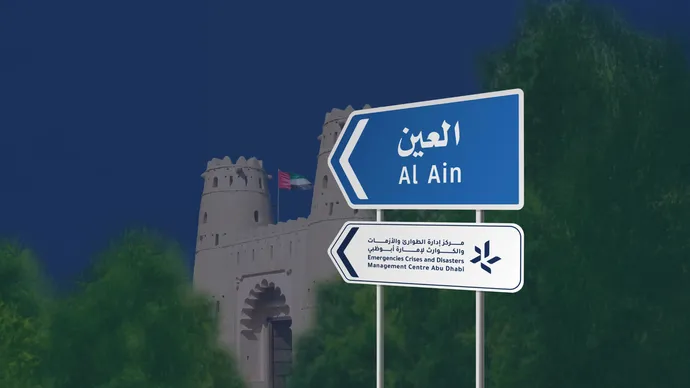
In a significant stride towards boosting emergency preparedness and regional resilience, the Emergencies, Crises and Disasters Management Centre – Abu Dhabi has activated a fully operational Coordination and Monitoring Centre in the Al Ain Region. This centre is designed to serve as the nerve hub for disaster management, offering faster response times, better coordination, and enhanced monitoring of all types of emergencies affecting the area.
Al Ain, known for its natural beauty and growing urban landscape, has always held strategic importance for Abu Dhabi. With the growing population and infrastructural development in the region, the need for a dedicated crisis and emergency centre became more critical than ever. This initiative is not just timely—it’s essential.
What the Coordination and Monitoring Centre means for Al Ain
The newly launched Coordination and Monitoring Centre is more than just a physical building. It’s a fully integrated operations hub equipped with advanced technology, real-time data systems, and communication capabilities that enable rapid decision-making and immediate field coordination.

From natural disasters such as sandstorms and flash floods to industrial incidents or even potential public health crises, the centre’s main goal is to monitor, respond to, and mitigate risks before they escalate into larger problems. It will also coordinate closely with local and federal agencies to ensure smooth operations across departments, with trained teams on standby for every kind of emergency.
The heart of this facility lies in its ability to create synergy among different stakeholders—first responders, government departments, healthcare systems, civil defence, and local municipalities—ensuring that during any critical event, the response is unified, swift, and effective.

Empowering local response teams with advanced tools
One of the standout features of the new centre is the integration of advanced geographic information systems (GIS), predictive modelling, and real-time surveillance tools. These systems allow teams to anticipate the scale and impact of possible emergencies, whether environmental or man-made.
Training and capacity-building are also part of the equation. Local teams in Al Ain will now receive continuous upskilling sessions in crisis response, disaster risk reduction, and use of new technologies. This means that the region is not only gaining infrastructure but also empowering its human resources to be agile and capable when it matters most.
This human-centric approach ensures that it’s not just technology leading the response—it’s people, equipped with knowledge and tools, working in harmony.
Building trust and reassurance in the community
Perhaps the most powerful impact of this initiative is the peace of mind it brings to the people of Al Ain. With the activation of the Coordination and Monitoring Centre, residents and businesses alike can feel more secure, knowing that there’s a dedicated team watching over their safety every day, around the clock.
This isn’t just about responding to emergencies; it’s about anticipating them, preparing in advance, and minimizing potential damage. That level of preparedness inspires confidence among citizens and reassures families that their wellbeing is a top priority.
Communication with the public is another important component. The centre plans to run awareness campaigns to educate residents on emergency procedures, safety tips, and how to respond effectively during different types of crises. This proactive communication strengthens the community’s resilience and fosters a spirit of shared responsibility.
Al Ain: A model for smart emergency management
The establishment of this centre positions Al Ain as a model city in the realm of smart emergency management. It reflects Abu Dhabi’s broader vision of enhancing quality of life through sustainability, safety, and innovation.
By decentralizing disaster response capabilities and placing them closer to regional communities, the government ensures that aid and intervention reach people faster—when every second matters. It also shows a deep commitment to the unique needs of Al Ain, acknowledging its geography, demographics, and development trajectory.
This localised approach is a glimpse into the future of emergency management—community-specific, data-driven, and constantly evolving to meet modern challenges.
A commitment to future readiness
The activation of the Al Ain Coordination and Monitoring Centre is more than a reaction to today’s needs; it’s a proactive investment in tomorrow’s safety. It reflects a clear understanding that crises, whether caused by nature or humans, are becoming more complex—and managing them requires both infrastructure and foresight.
Abu Dhabi’s Emergencies, Crises and Disasters Management Centre has long been a pioneer in forward-thinking strategies. By expanding its reach into Al Ain, it ensures that even as the city grows, its protective measures scale alongside.
Whether it’s responding to a sudden flood, coordinating a health response, or preventing an industrial hazard, this new centre will act as the first line of defence—and a powerful symbol of trust between the government and its people.
Looking ahead with confidence
The establishment of this centre is a turning point for Al Ain. It’s a story of readiness, responsibility, and resilience. It demonstrates how visionary leadership can create infrastructure that protects not just buildings and roads, but lives and futures.
In today’s world, where uncertainty can strike at any moment, being prepared isn’t a luxury—it’s a necessity. And through this new centre, Abu Dhabi is showing exactly what that preparedness looks like: smart, inclusive, and deeply human.
As Al Ain continues to thrive and expand, the people now move forward with greater confidence, knowing that whatever challenges may come, they are not alone. There is a team, a strategy, and a system in place—watching, waiting, and ready to act.
Do follow UAE Stories on Instagram
VAP Group to Host the Global Blockchain Show 2025 in Abu Dhabi